





What's Happening?
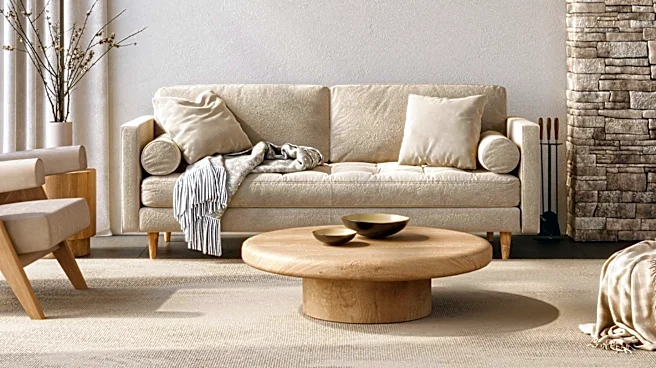
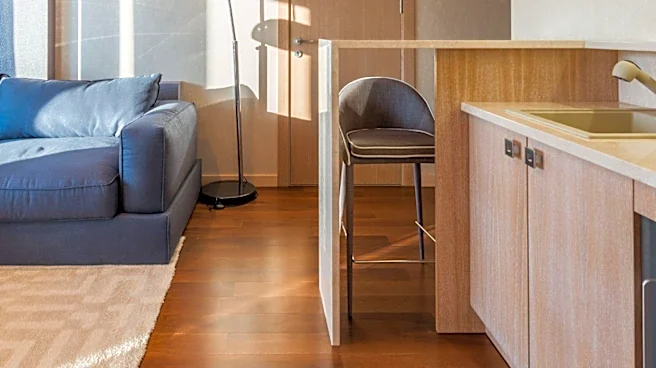
Studio apartment design is increasingly focusing on innovative solutions to maximize small living spaces. Key strategies include using multifunctional furniture, such as sofas and beds, to create distinct zones within a single room. For instance, placing
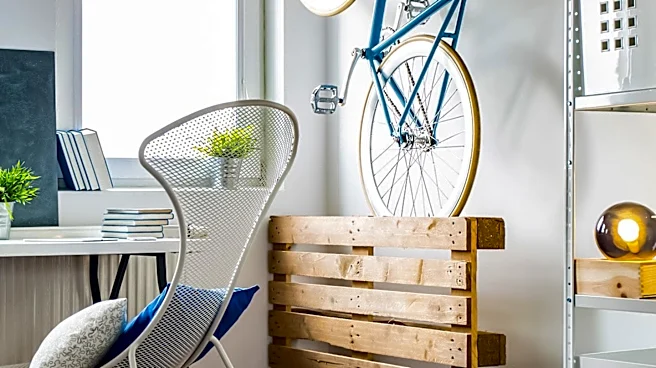
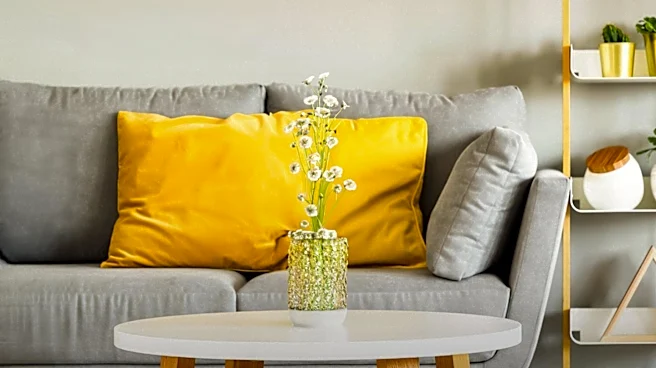
a sofa parallel to the bed, with a rug and coffee table, can visually separate living and sleeping areas. Ceiling-mounted curtains are also being utilized to create a soft, non-permanent division for the sleeping area, allowing for privacy without sacrificing natural light. Minimalist design principles, characterized by neutral color palettes and limited decorative items, are favored to enhance the perception of space. Additionally, the integration of practical elements like narrow ladder shelves for storage and display, and open bookshelves for both storage and room division, are becoming common practices in studio apartment layouts. These approaches aim to make small studios feel more organized, personal, and functional, transforming them into multi-area living spaces.
Why It's Important?
The emphasis on efficient studio apartment design reflects a broader trend in urban living, particularly in the U.S., where smaller living spaces are becoming more prevalent due to rising housing costs and increased urbanization. This design philosophy is crucial for residents seeking to optimize their living environment, making compact apartments feel more spacious and livable. For the real estate and interior design industries, this trend drives demand for innovative, space-saving furniture and adaptable design solutions. Businesses specializing in modular furniture, smart home technologies, and minimalist decor stand to gain significantly. Conversely, traditional furniture retailers offering bulky items may need to adapt their product lines. The societal impact includes promoting more sustainable living by encouraging efficient use of space and resources, and potentially making urban living more accessible and appealing to a wider demographic, including young professionals and individuals seeking a low-maintenance lifestyle. This shift also influences architectural design, pushing for more flexible and adaptable floor plans in new constructions.
What's Next?
The future of studio apartment design is likely to see continued innovation in multifunctional and modular furniture, with a focus on technology integration to enhance space utility. Expect to see more smart furniture that can transform with the touch of a button, such as beds that fold into walls or tables that expand. The use of virtual and augmented reality tools for apartment staging and design planning will also become more widespread, allowing residents and designers to visualize space-saving solutions before implementation. Furthermore, there will be an increased demand for customizable and renter-friendly design options, particularly for temporary dividers like tension-rod curtain tracks, to cater to the transient nature of many urban renters. The real estate market may also begin to highlight these design features as key selling points, attracting tenants and buyers looking for optimized small-space living. Collaboration between furniture manufacturers, interior designers, and real estate developers will be essential to meet the evolving needs of this market segment.
Beyond the Headlines
Beyond the immediate practical benefits, the evolution of studio apartment design touches upon deeper cultural and psychological aspects of living. The move towards minimalist and highly organized spaces can influence mental well-being, promoting a sense of calm and reducing clutter-induced stress. This design trend also challenges traditional notions of home size and ownership, encouraging a shift towards valuing functionality and efficiency over sheer square footage. Ethically, it raises questions about sustainable consumption and the environmental impact of housing, as smaller spaces often lead to reduced energy consumption and a smaller carbon footprint. Culturally, it reflects a growing appreciation for intentional living and a rejection of excessive materialism, particularly among younger generations. The long-term implications could include a redefinition of luxury in urban housing, where premium is placed on intelligent design and adaptability rather than expansive, underutilized spaces. This could foster a more conscious approach to urban development and personal living choices.