





What's Happening?
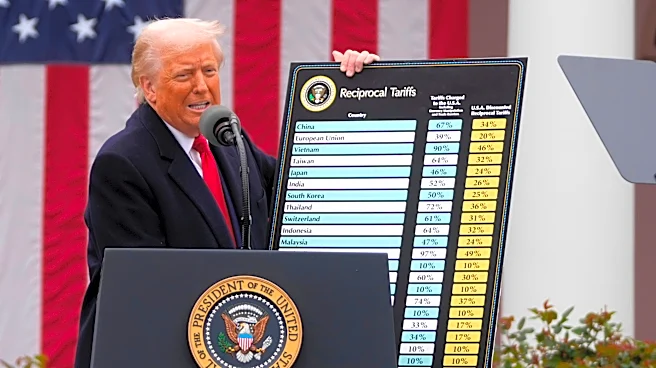
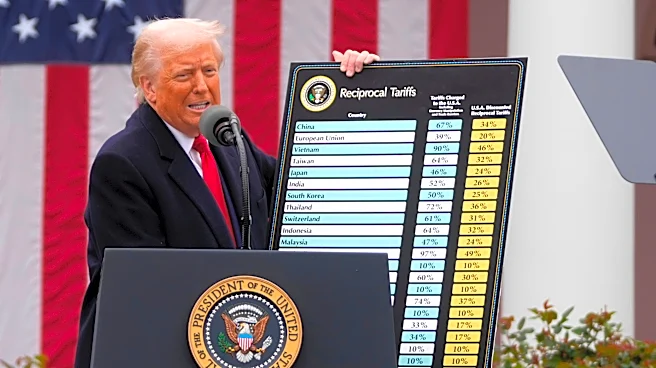
The United States has announced a new round of tariffs targeting over sixty economies, including the European Union, Canada, and China. These tariffs, ranging from 10% to 12.5%, are being imposed on countries that the U.S. claims have not adequately addressed
the issue of forced labor in their supply chains. The decision coincides with the expiration of previous tariffs set by President Trump. The U.S. Trade Representative, Jamieson Greer, stated that the move aims to eliminate unfair competition from goods produced with forced labor. The tariffs will not apply to goods already en route to the U.S. if they arrive before July 28. Energy and raw materials not produced in the U.S. are excluded from the tariff list.
Why It's Important?
This development is significant as it reflects the U.S.'s ongoing efforts to address human rights issues in global trade. The tariffs could impact international trade relations, particularly with major partners like the EU and Canada. By targeting forced labor, the U.S. is setting a precedent for ethical trade practices, potentially influencing other countries to strengthen their labor laws. However, the tariffs may also lead to increased tensions and retaliatory measures from affected countries, impacting global economic stability.
What's Next?
Affected countries may seek negotiations or retaliate with their own trade measures. The U.S. will likely monitor compliance with forced labor standards and adjust tariffs accordingly. Businesses in the U.S. and abroad will need to assess their supply chains to mitigate the impact of these tariffs. The international community will be watching to see if this move prompts broader changes in trade policies related to human rights.