





What's Happening?
Mexico's state-owned oil company, Pemex, needs nearly $110 billion in capital expenditure to achieve the country's oil and gas production targets, according to a report by the International Institute for Sustainable Development (IISD). The report indicates
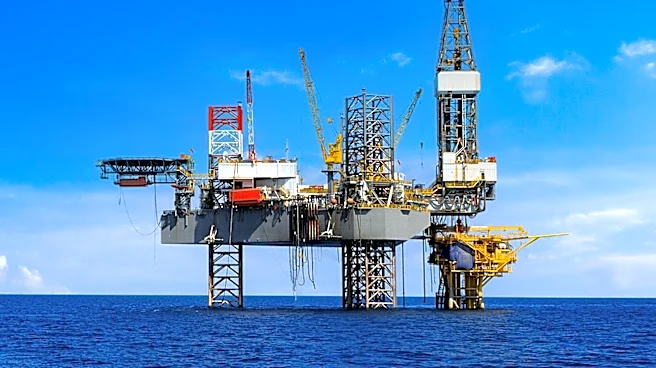
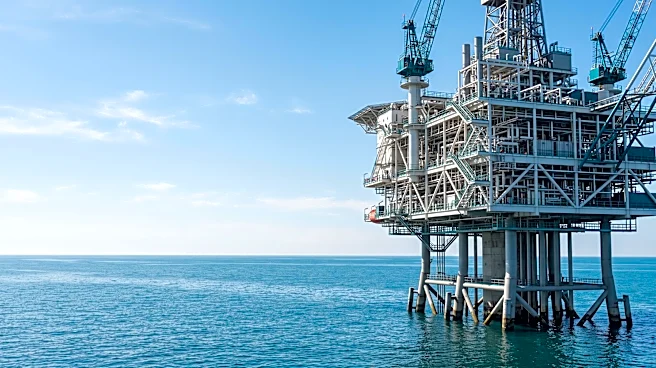
that the overall capital expenditure required to meet these targets is around $160 billion. The IISD suggests that pursuing these oil and gas production goals involves developing uncommercial fields, which could lead to net losses of $17.4 billion over 15 years. Furthermore, the report warns that even with this significant investment, the production targets might not be met within the planned timeframe. Mexico currently relies on oil and gas imports for two-thirds of its energy consumption and has limited gas storage capacity, making it vulnerable to supply shocks and market volatility. Environmental concerns have also been raised regarding a recent partnership between Brazil's Petrobras and Mexico's Pemex to explore oilfields in the Gulf of Mexico, with critics warning of potential derailment of decarbonization commitments and increased risk of oil spills.
Why It's Important?
This situation highlights a critical juncture for Mexico's energy policy, with significant implications for its economic stability, environmental commitments, and energy security. The IISD's assessment challenges the government's current strategy of increasing domestic oil and gas production, suggesting it is misguided due to high costs and limited gains. For the U.S., Mexico's energy decisions are important given their close trade and financial integration. A less stable energy sector in Mexico could impact regional energy markets and supply chains. The potential for large financial losses from uncommercial oil and gas fields could strain Mexico's public finances, affecting its ability to invest in other critical sectors. Moreover, the environmental risks associated with expanded oil exploration in the Gulf of Mexico, particularly the potential for oil spills, could have cross-border ecological and economic consequences for the U.S. Gulf Coast. The debate over investing in fossil fuels versus renewables also reflects a broader global trend, with Mexico's choice potentially influencing regional energy transition efforts.
What's Next?
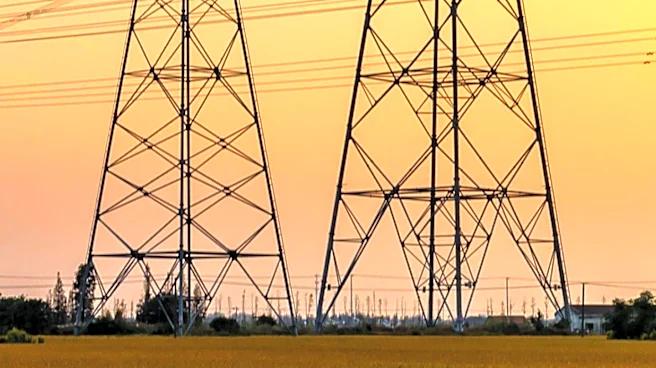
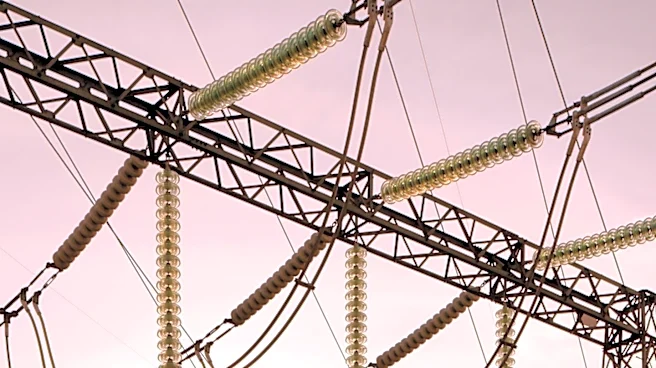
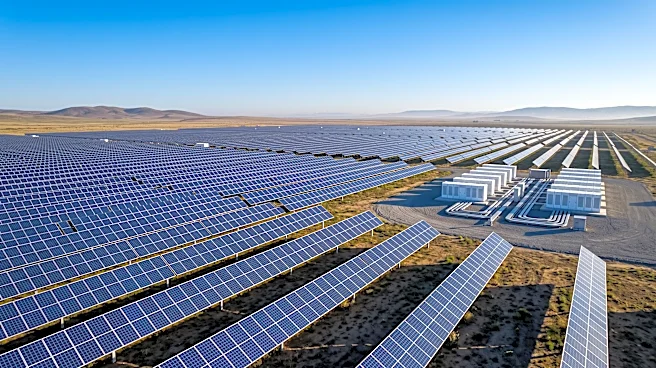
Mexico faces a strategic decision regarding its future energy investments. The IISD recommends that Mexico instead focus on diversifying its energy sector by expanding renewable energies, refurbishing energy grids, and increasing energy storage capacities. This alternative approach, according to IISD co-author Luis Martínez, could cut imports, strengthen sovereignty, and attract private capital. The Mexican government will need to weigh the IISD's findings against its current objectives for increasing national energy output. The ongoing partnership between Pemex and Petrobras will likely continue to draw scrutiny from environmental groups and international observers. Future policy decisions will determine whether Mexico continues its current path of significant investment in oil and gas or shifts towards a more diversified and renewable-focused energy system, potentially impacting its long-term economic and environmental trajectory.
Beyond the Headlines
The core issue extends beyond mere investment figures to a fundamental question of sustainable development and national sovereignty. Mexico's reliance on oil and gas imports, despite domestic resources, underscores a complex energy dependency. The IISD's argument for renewable energy investment as a means to strengthen sovereignty and attract private capital suggests a paradigm shift from traditional fossil fuel-based energy security to one rooted in diversified, clean energy sources. This approach could foster greater energy independence and resilience against global market volatility. The environmental concerns, particularly regarding potential oil spills in the Gulf of Mexico, highlight the ethical and long-term ecological responsibilities associated with fossil fuel extraction. This debate also touches upon the broader global challenge of balancing economic development with climate action, where nations must decide whether to commit to high-carbon pathways or embrace a green transition, with significant implications for future generations and international climate goals.