







What's Happening?
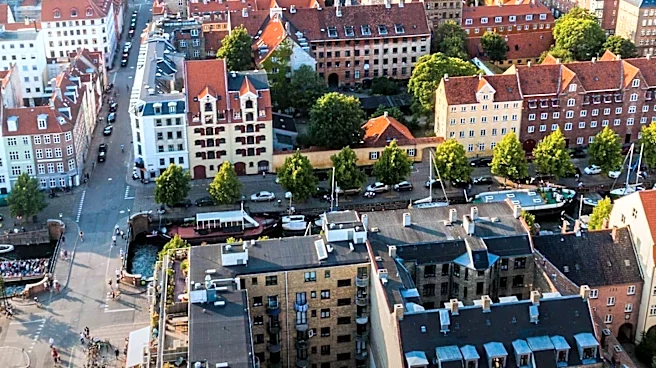
Copenhagen, Denmark, is being highlighted as a historic yet progressive waterfront city, distinguished by its tranquil atmosphere, vibrant harbor fronts, and modern design. The city offers a relaxed pace of life, encouraging exploration by water and bicycle,
and features numerous street cafes. It is renowned for its contemporary design, exceptional food scene, and high quality of life. Visitors can find well-regarded accommodations such as 1 Hotel Copenhagen and Motel One Copenhagen, both conveniently located near Strøget, the main shopping street. Additionally, the Best Western Copenhagen Airport Hotel in Kastrup provides easy access to central attractions. The city's commitment to sustainability and its unique blend of historical charm and modern amenities contribute to its appeal.
Why It's Important?
Copenhagen's model of urban development and lifestyle offers significant insights for U.S. cities grappling with issues of urban planning, sustainability, and quality of life. The emphasis on cycling infrastructure, as noted in comparisons with Tennessee, demonstrates a successful approach to reducing traffic congestion and promoting public health, an area where many U.S. cities lag. The city's focus on modern design and a high quality of life can inspire urban planners and developers in the U.S. to create more livable and attractive urban spaces. Furthermore, Copenhagen's thriving tourism sector, driven by its unique cultural offerings and efficient infrastructure, presents a case study for economic development through sustainable tourism, potentially influencing U.S. travel and hospitality industries.
What's Next?
The continued recognition of Copenhagen as a leading city in terms of urban design and quality of life is likely to attract further international attention, including from U.S. urban planners, policymakers, and tourists. This could lead to increased cultural exchange and potential collaborations in areas such as sustainable urban development and public transportation. U.S. cities might look to Copenhagen's successful integration of bicycles into daily life and its commitment to green initiatives as blueprints for their own future development. The city's ongoing efforts to maintain its unique blend of historical charm and modern amenities will likely continue to draw visitors and residents seeking a high quality of urban living.
Beyond the Headlines
Beyond its immediate appeal, Copenhagen's success reflects a deeper societal commitment to collective well-being and environmental stewardship. The city's extensive bicycle culture and robust public transport system are not merely conveniences but manifestations of a broader cultural value placed on sustainability and community health. This contrasts sharply with the car-centric infrastructure prevalent in many U.S. cities, highlighting differing philosophies on urban living and resource allocation. The emphasis on design and aesthetics in Copenhagen also points to a cultural appreciation for beauty and functionality in everyday life, which can foster a sense of civic pride and belonging. These underlying cultural and ethical dimensions are crucial for understanding Copenhagen's sustained success and offer profound lessons for U.S. communities seeking to enhance their own urban environments.