





What's Happening?
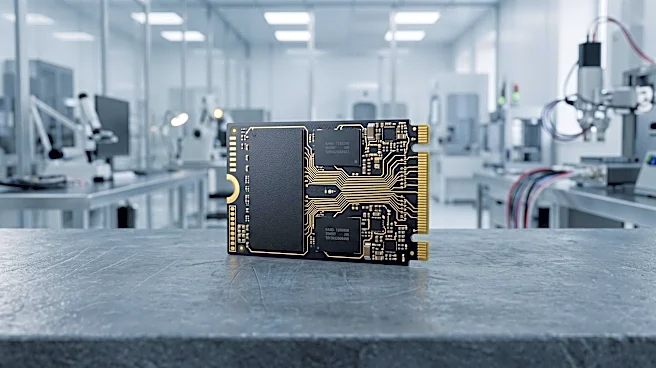
Data centers are investigating the adoption of higher voltage power delivery, specifically 48V, directly to memory (DRAM) and digital storage devices (SSDs and HDDs) within server racks. Currently, many data centers utilize 12V power distribution to these
components, often requiring DC:DC conversion within the rack. A conversation with Bill Gervasi highlighted that memory historically consumes 40% of server power. By routing 48V directly to DRAM, without stepping down the voltage, a significant reduction in energy loss (9% lower) can be achieved due to decreased IR drop on copper connections. This efficiency gain extends beyond individual components, as it also reduces heat generation, thereby lowering cooling requirements. For an 1800-server data center, this approach could lead to an estimated annual savings of $12 million and a reduction of 33 metric tons of CO2 emissions. The current EDSFF SSD standard assumes 12V at the edge connector, necessitating conversion at the back of the rack. Extending the 48V direct power concept to SSDs and HDDs is expected to yield even greater energy and cost savings, potentially around 30% higher efficiency for high-performance SSDs.
Why It's Important?
This shift towards higher voltage power delivery in data centers holds significant implications for the U.S. technology and energy sectors. The substantial energy savings, estimated at $12 million annually for a medium-sized data center, directly impacts operational costs, making data center operations more economically viable. This cost reduction can be passed on to businesses and consumers relying on cloud services and data storage. Furthermore, the projected reduction of 33 metric tons of CO2 emissions per year per data center contributes to environmental sustainability goals, aligning with broader efforts to combat climate change and reduce the carbon footprint of the tech industry. The need for changes in the power electronics of SSDs and HDDs to accommodate 48V directly at the edge connector signifies a potential evolution in hardware design and manufacturing, creating new opportunities for innovation and investment in power management technologies. This development could also influence the design of future data center infrastructure, promoting more energy-efficient and environmentally friendly practices across the industry.
What's Next?
Discussions are anticipated in the coming year regarding the implementation of higher voltage standards for digital storage devices. This will likely involve collaboration among industry stakeholders, including manufacturers of SSDs, HDDs, and power electronics, to develop new standards and compatible hardware. The current EDSFF SSD standard, which assumes 12V, would need to be updated or a new standard introduced to facilitate 48V at the edge connector. Data centers, both existing and new, are expected to actively explore and adopt these higher voltage solutions to reduce their power consumption and cooling water requirements. The potential for even higher voltages, such as 800V, for SSD and HDD interfaces is also being considered, suggesting a long-term trajectory towards increasingly efficient power delivery within data center environments. This ongoing evolution will require significant investment in research and development to overcome technical challenges and ensure seamless integration with existing infrastructure.
Beyond the Headlines
The move towards higher voltage power in data centers represents a deeper trend in the technology industry: the continuous pursuit of efficiency and sustainability. Beyond the immediate cost and environmental benefits, this development highlights the increasing pressure on data centers, as major energy consumers, to innovate and minimize their ecological impact. The shift could also foster greater integration between power electronics and computing hardware design, leading to more holistic and optimized systems. Ethically, this initiative aligns with corporate social responsibility by addressing energy consumption and carbon emissions. Legally, future regulations regarding data center energy efficiency might be influenced by such technological advancements, potentially mandating or incentivizing the adoption of similar solutions. Culturally, it reinforces the idea that technological progress can and should be leveraged to address environmental challenges, setting a precedent for other energy-intensive industries to follow suit in their pursuit of greater efficiency.