










What's Happening?
Lynas Rare Earths has entered into a long-term partnership with JS Link to establish a rare earth permanent magnet factory in Kuantan, Malaysia. This collaboration follows a memorandum of understanding signed in July 2025. The factory will have the capacity
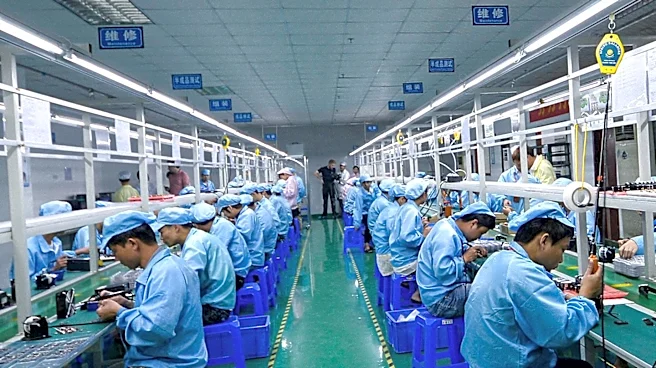
to produce 3,000 tonnes per annum of neodymium iron boron (NdFeB) permanent sintered magnets. Lynas has committed approximately A$50 million in equity investment to support the construction of the facility. Under the agreement, Lynas will supply rare earth materials to JS Link's existing magnet factory in Yesan, South Korea, and the new Malaysian facility. The partnership is set to last until January 2038, with materials provided at commercial prices. The new factory is expected to create up to 400 jobs and will focus on supplying magnets for the automotive, wind energy, and electronics sectors in Korea and Malaysia.
Why It's Important?
This partnership is significant as it aims to develop a sustainable rare earths industry in Malaysia, contributing to the global supply chain outside of China. By establishing a manufacturing base in Malaysia, Lynas and JS Link are poised to enhance the stability and resilience of the rare earth supply chain, which is crucial for various high-tech industries. The creation of jobs and the investment in local infrastructure will have positive economic impacts on Malaysia, while also strengthening trade ties with Korea and Australia. This move aligns with Lynas' growth objective of expanding its presence in the metal and magnet supply chain, potentially reducing global dependency on Chinese rare earths.
What's Next?
The construction of the Kuantan factory is a key next step, with JS Link having already secured a site near the Lynas Malaysia advanced materials plant. As the facility becomes operational, it will begin supplying magnets to key sectors, potentially influencing market dynamics in the automotive, wind energy, and electronics industries. Stakeholders will likely monitor the project's progress and its impact on the rare earth market, particularly in terms of pricing and supply chain stability. The partnership may also prompt other companies to explore similar collaborations to diversify their supply sources.