


What's Happening?
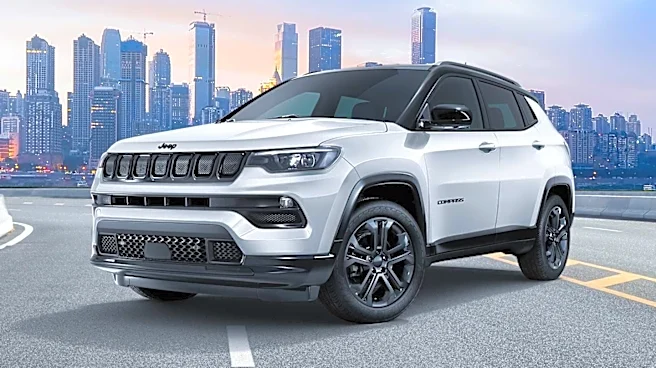
The 2020 Jeep Compass Latitude, a used vehicle available for sale, is equipped with a range of modern technological features, including smart device integration, Bluetooth streaming audio, and Apple CarPlay. This model, part of the Compass lineup, offers
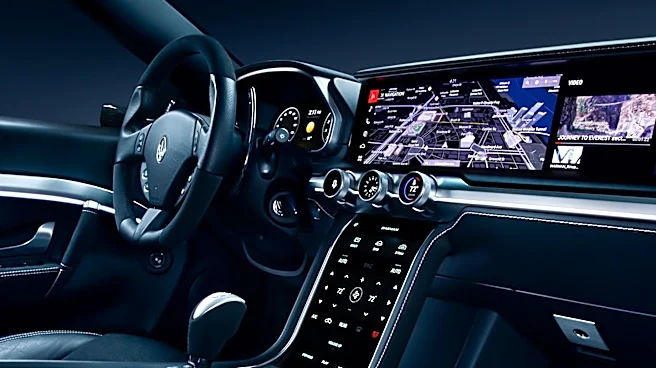
a 2.4L 4-cylinder engine producing 180 horsepower and 175 lb-ft of torque, with stop-start technology for improved fuel efficiency, achieving up to 30 mpg on the highway. Transmission options include a 6-speed manual, 6-speed automatic, or a 9-speed automatic. While two-wheel drive is standard on most trims, the Trailhawk model comes with all-wheel drive, featuring Jeep Active Drive and Jeep Active Drive Low systems for enhanced 4x4 capability. The vehicle's interior includes a Uconnect 4 infotainment system with a 7-inch touchscreen display, a 6-speaker audio system, and dual-zone temperature control. The Latitude trim specifically adds premium cloth and vinyl seats, a leather-wrapped steering wheel, and remote keyless entry.
Why It's Important?
The integration of smart device technology in vehicles like the 2020 Jeep Compass Latitude highlights a significant trend in the automotive industry towards enhanced connectivity and user experience. This focus on smart features, such as Apple CarPlay and Bluetooth streaming, caters to consumer demand for seamless integration of personal devices into their driving experience. For U.S. consumers, this means greater convenience, access to navigation, entertainment, and communication tools directly through their vehicle's infotainment system, reducing distractions and improving safety. For the automotive market, the inclusion of such technology can be a key differentiator, influencing purchasing decisions and driving innovation in vehicle design and functionality. The emphasis on fuel efficiency with stop-start technology also reflects a broader industry commitment to environmental sustainability and cost savings for drivers, aligning with evolving regulatory standards and consumer preferences for greener transportation options.
What's Next?
The continued evolution of smart technology in vehicles is expected to lead to more sophisticated integration and autonomous features. Future models will likely see advancements in voice command systems, more comprehensive over-the-air updates for software, and deeper integration with smart home ecosystems. As consumer expectations for connectivity grow, automotive manufacturers will continue to invest in research and development to offer cutting-edge infotainment systems and driver-assistance technologies. This trend could also influence the aftermarket industry, creating new opportunities for third-party developers to offer compatible applications and hardware. Additionally, the focus on fuel efficiency and alternative powertrains will likely intensify, with hybrid and electric vehicle options becoming more prevalent, further integrating smart energy management systems into the automotive landscape.
Beyond the Headlines
The widespread adoption of smart device integration in vehicles raises important considerations regarding data privacy and cybersecurity. As cars become more connected, they collect vast amounts of data, from driving habits to location information, which could be vulnerable to breaches. This necessitates robust cybersecurity measures and clear data privacy policies from manufacturers. Furthermore, the increasing reliance on technology in vehicles could lead to a digital divide, where access to advanced features is limited by cost, potentially excluding certain demographics. The ethical implications of autonomous driving systems, which are a natural progression of current smart technologies, also warrant ongoing discussion, particularly concerning liability in the event of accidents. These broader societal and ethical questions will become increasingly prominent as smart vehicle technology continues to advance and integrate more deeply into daily life.