









What's Happening?
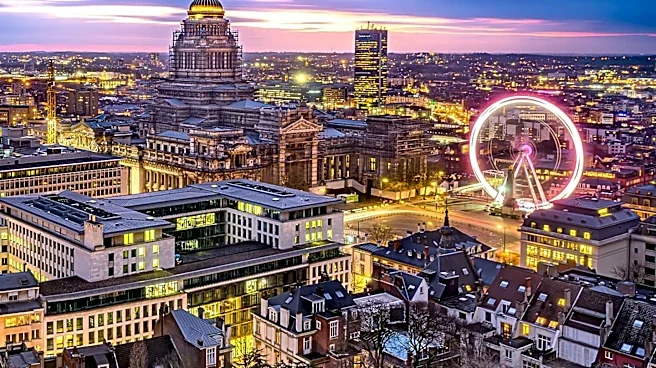
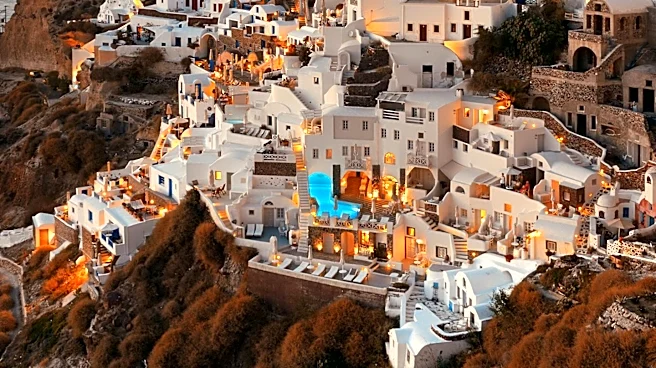
Australian traveller Lucas Brancatisano has sparked a debate by listing Oia in Santorini as one of the top five destinations he would not revisit. Despite Oia's reputation as a popular tourist spot known for its picturesque blue-domed churches and stunning
sunsets, Brancatisano criticized the area for being overcrowded during the summer months. He described the experience as marred by excessive crowds, with tourists jostling for the same sunset photos, leading to a less enjoyable visit. His list of places to avoid also included New Delhi, Leon, Phnom Penh, and Benidorm, each criticized for various reasons such as pollution, safety concerns, and lack of attractions. Brancatisano's comments have elicited mixed reactions, with some social media users defending Santorini and suggesting that visiting during the off-season could offer a more pleasant experience.
Why It's Important?
Brancatisano's critique highlights a growing concern in the travel industry regarding the impact of overtourism on popular destinations. As more travelers seek unique experiences, the influx of tourists can lead to overcrowding, which diminishes the quality of the visit and can strain local resources. This situation underscores the need for sustainable tourism practices that balance visitor numbers with the preservation of cultural and natural sites. The debate also reflects broader discussions about travel timing and the benefits of exploring destinations during less busy periods, which can enhance the experience and reduce the environmental footprint. For the tourism industry, these insights are crucial for developing strategies that promote year-round travel and distribute tourist traffic more evenly.
What's Next?
The conversation around Brancatisano's comments may prompt travel agencies and local governments to reconsider how they manage tourist flows to popular destinations like Santorini. There could be increased efforts to promote off-season travel and develop infrastructure that can better accommodate large numbers of visitors without compromising the quality of the experience. Additionally, this situation may encourage travelers to seek out lesser-known destinations, thereby alleviating pressure on overburdened sites. As the travel industry continues to recover from the pandemic, these discussions are likely to influence future tourism policies and marketing strategies.