







What's Happening?
Luxury hotels across the U.S. and internationally are significantly upgrading their bath amenities and in-room offerings to enhance the guest experience. This trend moves beyond generic toiletries to include partnerships with high-end beauty and skincare
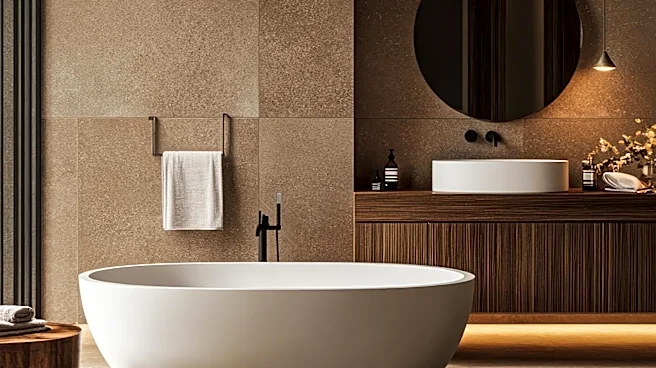
brands, bespoke fragrances, and curated selections of products. For instance, The St. Regis Bal Harbour Resort in Miami Beach now provides products from the Australian vegan beauty brand Sodashi in its ocean-view rooms and suites. Similarly, select Ritz-Carlton properties offer MERIT Beauty products to Club Level guests, with the option to order beauty bundles via room service. Cheval Blanc Paris, backed by LVMH, features exclusive Dior-branded scents and products, including soap, body lotion, and lip balm, with even higher-tier Dior amenities for VIPs. Sugar Beach, a Viceroy Resort in St. Lucia, offers Augustinus Bader skincare products in its Luxury and Grand Luxury Villas for guests staying a minimum of three nights. These initiatives reflect a broader shift in the luxury hospitality sector to transform the hotel bathroom into a sophisticated beauty destination, providing guests with unique and memorable experiences.
Why It's Important?
This trend is important as it signifies a strategic evolution in the luxury hospitality industry, moving beyond traditional notions of comfort to offer highly personalized and premium experiences. For U.S. hotels, adopting such high-end amenities can differentiate them in a competitive market, attracting discerning travelers who prioritize wellness, beauty, and exclusive brand experiences. This also creates new revenue streams through potential partnerships and increased guest satisfaction, which can lead to repeat business and positive word-of-mouth. Beauty and skincare brands, in turn, gain exposure to an affluent demographic, potentially boosting their market presence and sales. The focus on clean, ethically sourced, and bespoke products also aligns with growing consumer demand for sustainability and personalized luxury, influencing purchasing decisions and brand loyalty. This shift elevates the perceived value of a hotel stay, transforming a functional space into a key component of the overall luxury experience.
What's Next?
The trend of luxury hotels partnering with high-end beauty brands is likely to continue and expand, with more hotels seeking unique collaborations to stand out. Guests can anticipate an even wider array of specialized in-room amenities, potentially including advanced skincare devices, personalized fragrance consultations, or exclusive access to new product launches. Hotels may also integrate these beauty offerings more deeply into their wellness programs, linking spa services with in-room product lines. Furthermore, the emphasis on sustainability and ethical sourcing in beauty products will probably grow, influencing future partnerships and product selections. This could lead to hotels highlighting the environmental credentials of their amenities as a selling point. The success of these partnerships will likely encourage other sectors of the hospitality industry to explore similar collaborations, potentially extending to other luxury goods and services to create a more holistic premium experience for guests.
Beyond the Headlines
Beyond the immediate appeal of luxury products, this trend reflects a deeper understanding by hotels of the psychological aspects of guest satisfaction and brand perception. By offering exclusive and high-quality amenities, hotels are not just providing comfort but are also curating an aspirational lifestyle experience. This can foster a sense of belonging and exclusivity among guests, transforming a temporary stay into a memorable and emotionally resonant event. The integration of local or niche brands, such as Farmaesthetics at Castle Hill Inn, also highlights a growing appreciation for authenticity and regional identity, allowing guests to connect with the local culture through sensory experiences. This strategic move blurs the lines between hospitality, retail, and wellness, creating a new paradigm where hotels become platforms for discovery and indulgence, ultimately shaping consumer expectations for luxury services across various industries.