





What's Happening?
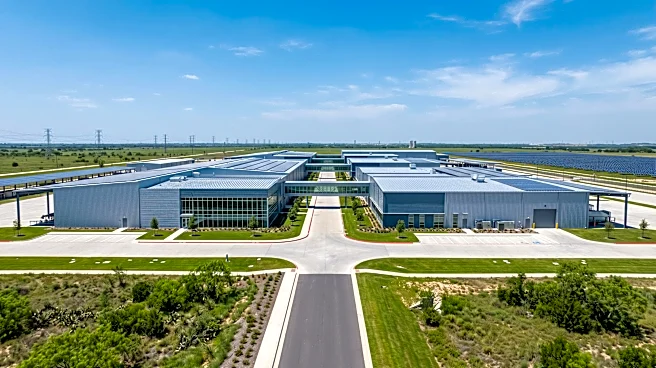
The global data center microgrid market is projected to grow significantly, from an estimated $4.68 billion in 2026 to $17.7 billion by 2036, exhibiting a compound annual growth rate (CAGR) of 14.2%. This substantial growth is primarily driven by the
rapid expansion of hyperscale data centers, increasing demand from artificial intelligence (AI) workloads, higher electricity consumption, existing grid capacity constraints, and delays in utility connections. Data center operators are increasingly investing in on-site generation, battery energy storage systems (BESS), renewable energy sources, fuel cells, and advanced energy management software. These investments aim to ensure uninterrupted operations, reduce vulnerability to grid instability, improve energy efficiency, and help cloud service providers and colocation companies achieve sustainability and net-zero carbon objectives. North America currently leads this market due to its concentration of hyperscale facilities and AI computing infrastructure.
Why It's Important?
The surge in the data center microgrid market underscores a critical challenge and opportunity for the U.S. economy and infrastructure. As AI and cloud computing demand escalates, data centers require immense and reliable power, often exceeding the capabilities of traditional grids. This market growth signifies a strategic shift towards decentralized, resilient, and sustainable power solutions for critical digital infrastructure. For U.S. industries, particularly technology and cloud services, ensuring consistent power supply is paramount for continued innovation and economic competitiveness. The adoption of microgrids reduces reliance on potentially unstable central grids, mitigating risks of outages that can have cascading economic impacts. Furthermore, the emphasis on renewable energy integration and fuel cells within these microgrids aligns with national sustainability goals, positioning the U.S. to lead in green data center development and energy independence.
What's Next?
The market is expected to see continued innovation in technological solutions, with battery energy storage systems (BESS) projected to experience the fastest growth through 2036 due to declining costs and enhanced capabilities. Microgrid controllers and software are also anticipated to see significant advancements, with AI-powered optimization and cloud-based monitoring becoming standard. Strategic partnerships between technology vendors, cloud service providers, utilities, and renewable energy developers will accelerate commercialization and deployment. The U.S. will likely continue to be a key driver of this market, with ongoing investments in hyperscale data centers and AI infrastructure. However, challenges such as high initial investment costs, complex system integration, cybersecurity risks, and regulatory hurdles will need to be addressed to sustain this growth trajectory and ensure widespread adoption.
Beyond the Headlines
The rapid expansion of data center microgrids has profound implications beyond immediate power reliability. It signals a fundamental re-evaluation of energy infrastructure in the digital age, moving towards more localized, intelligent, and self-sufficient power systems. This trend could decentralize power generation, making the overall energy grid more resilient to both natural disasters and cyber threats. Ethically, the drive for sustainable data centers through microgrids highlights corporate responsibility in addressing climate change, pushing for cleaner energy sources and reduced carbon footprints. Legally and culturally, this shift may necessitate new regulatory frameworks for distributed energy resources and could influence public perception of energy independence and local control over power generation. The long-term impact could be a more robust, adaptable, and environmentally conscious energy landscape, driven by the insatiable demands of the digital economy.