
What's Happening?
Zillow's 2027 Home Trends Report indicates a significant shift in buyer preferences, with a growing demand for 'digital detox' spaces within homes. According to the report, mentions of spaces to unplug are 34% more common in for-sale listings than last
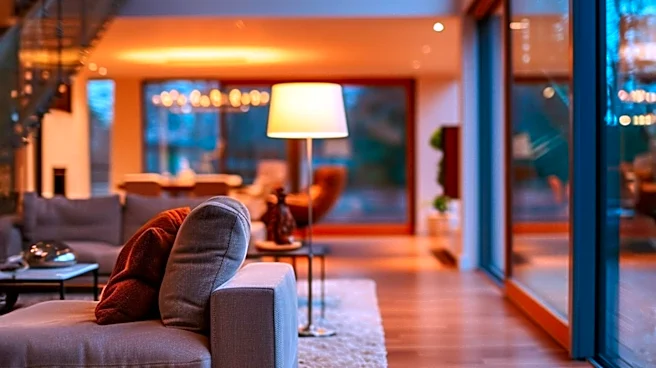
year, signaling that buyers are increasingly seeking designated tech-free zones. Amanda Pendleton, Zillow's home trends expert, stated that "Digital detox is the new luxury," emphasizing that while homes are becoming smarter with AI-powered appliances (up 119% in listings), buyers also desire areas where devices don't need charging and technology is less intrusive. The report, based on an analysis of millions of for-sale listings, suggests that homeowners are looking for functional and efficient homes that also offer polished, personal spaces for disconnection and relaxation. This trend reflects a broader desire for healthier boundaries with technology and a focus on meaningful offline experiences.
Why It's Important?
This trend has significant implications for the U.S. real estate market and home design industry. Homebuilders and sellers who incorporate dedicated digital detox spaces or highlight existing areas suitable for unplugging may gain a competitive advantage. The increased demand for tech-free zones suggests a shift in consumer values, where mental well-being and intentional living are becoming as important as technological convenience. This could lead to innovations in home architecture and interior design, with a focus on creating serene, device-free environments. For technology companies, this trend might encourage the development of 'quiet tech' that operates seamlessly in the background without demanding constant attention, or products that facilitate mindful disengagement. The emphasis on personal well-being within the home also aligns with broader lifestyle trends, indicating a market opportunity for products and services that support a balanced digital life.
What's Next?
The rising demand for digital detox spaces is likely to influence future home design and marketing strategies. Real estate agents and sellers will increasingly highlight these features in listings, potentially leading to a standardization of 'unplugging zones' in new constructions and renovations. We may see a greater emphasis on creating multi-functional rooms that can easily transition from tech-enabled workspaces to serene, device-free retreats. This trend could also spur innovation in smart home technology, with a focus on features that allow for easy disconnection or 'offline modes' for entire sections of a home. Furthermore, the shift away from generic 'sustainability' buzzwords towards specific, efficient home features like whole-home batteries and fresh-air systems suggests a more practical and tangible approach to home improvements, driven by a desire for comfort, resilience, and efficiency.
Beyond the Headlines
The emergence of digital detox zones in homes reflects a deeper societal recognition of the pervasive nature of technology and its potential impact on mental health and family dynamics. It signifies a conscious effort by individuals to reclaim personal space and time from constant digital demands. This trend could foster a cultural shift towards valuing presence and human connection over perpetual connectivity. It also raises questions about the future of home design, where the integration of technology might become more subtle and less intrusive, allowing for intentional periods of disconnection. The 'new luxury' of digital detox suggests that true affluence may increasingly be defined not by access to technology, but by the ability to selectively disengage from it, creating a sanctuary for mental and emotional well-being within one's own home.