



What's Happening?
Effective home organization, particularly in the kitchen, is being highlighted as a key to a cleaner, more functional, and enjoyable living space. The core development revolves around a systematic approach that prioritizes decluttering before acquiring
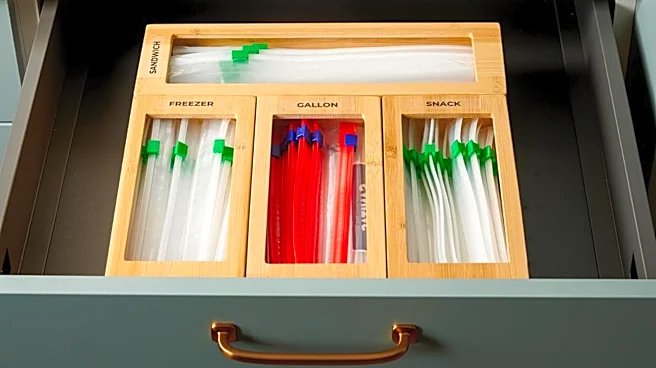
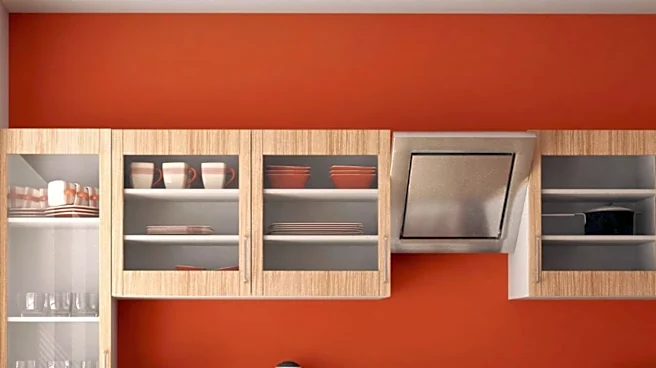
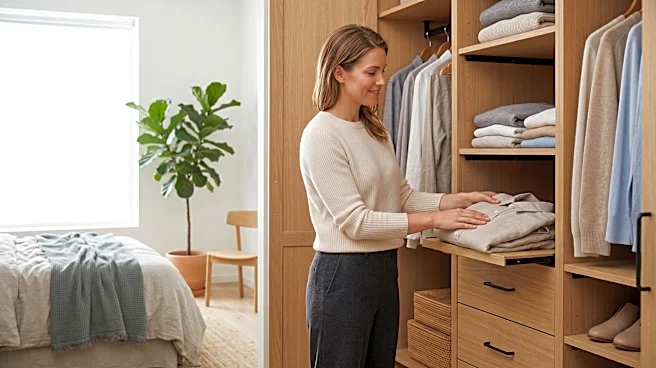
organizational products. Experts suggest starting with small, manageable areas like a single drawer or cabinet to avoid feeling overwhelmed. Key strategies include removing unnecessary items, keeping everyday essentials within easy reach, and utilizing clear storage containers to quickly identify contents. Organizing kitchen drawers with dividers and maximizing vertical space through tall shelves, stackable containers, and wall-mounted storage are also recommended. The emphasis is on creating functional zones for different activities, simplifying food storage with stackable and easy-to-clean containers, and using the inside of cabinet doors for additional storage. Labeling items, especially in pantries, is advised for easier identification and maintenance. Ultimately, the goal is to choose storage solutions that align with individual lifestyles and to maintain organization through regular, small efforts rather than infrequent, large overhauls.
Why It's Important?
The importance of these home organization strategies extends beyond mere aesthetics, impacting daily efficiency, stress levels, and financial well-being. A well-organized home, particularly the kitchen, can significantly reduce the time spent on daily tasks like meal preparation and cleaning, thereby freeing up time for other activities and reducing stress. By decluttering and organizing effectively, individuals can avoid unnecessary purchases of duplicate items or forgotten groceries, leading to potential cost savings. The creation of functional zones and accessible storage systems ensures that items are where they are needed, minimizing wasted effort and frustration. This approach fosters a more peaceful and manageable home environment, which can positively influence overall quality of life. For U.S. households, where busy schedules are common, these strategies offer practical solutions to maintain order and reduce the mental load associated with disorganization, contributing to a more harmonious domestic life.
What's Next?
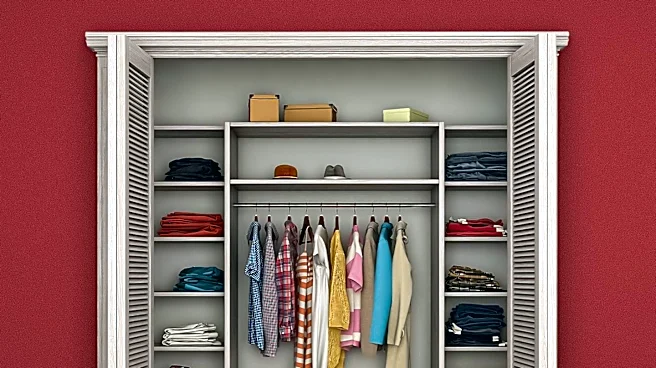
Individuals are encouraged to implement these organizational strategies by starting with a thorough decluttering process, focusing on one small area at a time. The next steps involve critically assessing items for regular use, utility, and duplication before considering any new storage solutions. Following decluttering, the focus shifts to implementing practical organization systems such as using clear containers, drawer organizers, and maximizing vertical space. Homeowners can expect to create functional zones within their kitchens and other areas, making daily routines more efficient. Regular maintenance, including returning items to their designated places, cleaning countertops, and checking pantries for expired goods, will be crucial for sustaining these organizational efforts. The ongoing process involves adapting these systems to personal lifestyles and conducting periodic audits to prevent clutter accumulation, ensuring long-term benefits.
Beyond the Headlines
The emphasis on decluttering before organizing touches upon a deeper societal trend towards conscious consumption and minimalism. This approach challenges the consumerist impulse to buy more storage solutions as a first response to clutter, instead promoting a critical evaluation of possessions. Ethically, it encourages sustainability by reducing waste and extending the life of existing items. Culturally, it reflects a growing desire for simplicity and mental clarity in an increasingly complex world, where physical clutter can often mirror mental overwhelm. The long-term shift could see a greater appreciation for intentional living and a move away from accumulating unnecessary goods, fostering a more mindful relationship with personal belongings and living spaces. This philosophy can lead to a more sustainable lifestyle, reducing environmental impact and promoting a sense of calm and control within the home.