

What's Happening?
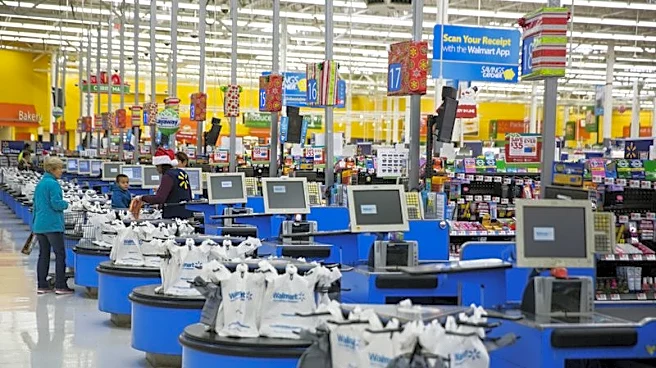
Wonder, the startup founded by former Walmart executive Marc Lore, is reportedly exploring the sale of its food-delivery platform, Grubhub. According to a Wall Street Journal report, bankers representing Wonder have engaged with major retailers such as
Walmart, Target, and Kroger regarding a potential acquisition. This development comes approximately two years after Wonder acquired Grubhub from Just Eat Takeaway.com for an estimated $650 million, a significant reduction from the $7.3 billion Just Eat paid in 2021. The discussions are in early stages, with no guaranteed deal, specific asking price, or timeline publicly disclosed. Grubhub has faced challenges in the competitive food delivery market, consistently losing ground to rivals like DoorDash and Uber Eats. Wonder's initial strategy with Grubhub involved integrating its curated restaurant selections into the Grubhub app and vice versa, aiming for a bundling approach rather than operating Grubhub as a standalone marketplace.
Why It's Important?
The potential sale of Grubhub to a major retailer signifies a strategic shift in the food delivery landscape and highlights the evolving dynamics of e-commerce and logistics. For retailers like Walmart, Target, and Kroger, acquiring Grubhub could provide immediate access to a national network of restaurants, an established customer base, and a robust delivery infrastructure. This could enhance their existing grocery pickup and delivery operations, allowing for cross-selling opportunities and a broader reach into the prepared meal market. For Wonder, divesting Grubhub could be an acknowledgment that the marketplace model does not align with its core 'new kind of food hall' concept, which focuses on made-to-order meals from well-known chefs. The sale would also relieve Wonder of the $500 million in senior notes associated with the Grubhub acquisition, potentially allowing the company to focus on its primary business model. The outcome of these discussions will indicate whether Grubhub's value has stabilized or if it will continue to decline.
What's Next?
The immediate next steps involve continued negotiations between Wonder's representatives and the interested retailers. There is no guarantee that a deal will materialize, and the terms, including how any buyer would handle Grubhub's existing debt, remain critical points of discussion. Should a sale occur, the acquiring retailer would likely integrate Grubhub's operations into its existing e-commerce and delivery ecosystem, potentially leading to new service offerings or expanded delivery capabilities for consumers. For Wonder, a successful sale would allow it to streamline its business model and focus on its proprietary food hall concept and other ventures like Blue Apron. The broader food delivery market will be watching to see if this potential acquisition signals a trend of traditional retailers entering or expanding their presence in the prepared food delivery sector, further intensifying competition with established players like DoorDash and Uber Eats.
Beyond the Headlines
This potential transaction underscores a broader trend of convergence between traditional retail and on-demand delivery services. As consumer expectations for convenience and speed continue to rise, retailers are increasingly looking for ways to expand their last-mile delivery capabilities beyond groceries. Acquiring a platform like Grubhub could offer a shortcut to achieving this, providing not just technology and logistics but also valuable customer data and established restaurant partnerships. The move also highlights the challenges faced by third-place players in highly competitive digital marketplaces, where scale often dictates success. Grubhub's journey from a multi-billion-dollar acquisition to a significantly devalued asset reflects the volatile nature of the tech and delivery sectors, where market leadership can shift rapidly. This could set a precedent for how struggling delivery platforms are valued and integrated into larger corporate structures, potentially reshaping the future of food and retail delivery services.