








What's Happening?
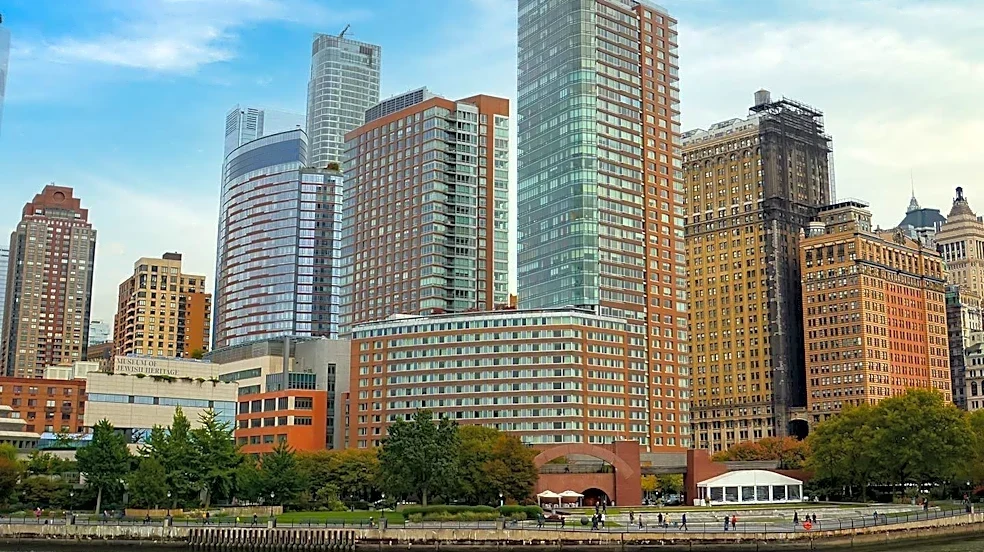
New York City's skyline is being significantly influenced by Scandinavian design, with a trio of new residential towers by Danish and Norwegian architects nearing completion. One notable project is Five Points Development’s 26-unit, 52-story building
at 262 Fifth Avenue, designed by Copenhagen-based Norm Architects. This tower, the tallest all-residential building on Fifth Avenue, emphasizes a 'Nordic sanctuary in the sky' with natural materials like oak and Grigio Alpi stone, and column-free 'vertical villas' priced between $7.5 million and $18 million. Additionally, Oslo-based Snøhetta is making its U.S. residential debut with a 70-story tower at 50 W. 66th Street, now the tallest on the Upper West Side. Snøhetta, known for grand venues, has focused on intimacy and an 'approachable neighborhood character' with a warm palette of limestone and bronze. Finally, Danish architect Thomas Juul-Hansen designed the 23-story, 83-unit building at 550 W. 21st Street in Chelsea, drawing inspiration from his Danish upbringing and incorporating light-toned limestone, alabaster, and natural stone to create a sense of calm.
Why It's Important?
The influx of Scandinavian-designed residential towers into New York City's skyline marks a significant trend in urban architecture and luxury real estate in the U.S. This development highlights a growing appreciation for minimalist aesthetics, craftsmanship, and the use of natural materials, which are hallmarks of Nordic design. For the U.S. real estate market, it introduces a distinct architectural style that prioritizes serenity, functionality, and a connection to nature, potentially influencing future residential developments. The high price points of these units, ranging from millions to tens of millions of dollars, indicate a strong demand among affluent buyers for unique, high-quality living spaces. This trend also underscores New York City's role as a global hub for architectural innovation, attracting leading international design firms and diversifying its urban landscape. The emphasis on creating 'sanctuaries' and 'approachable neighborhood character' within towering structures reflects a broader desire for tranquil and integrated living experiences in dense urban environments.
What's Next?
As these Scandinavian-designed towers near completion and become fully occupied, their success will likely pave the way for more international architectural firms to contribute to the U.S. urban landscape. The positive reception of these projects could lead to a broader adoption of Nordic design principles in luxury residential and commercial developments across major U.S. cities. Developers may increasingly seek out architects known for their minimalist and natural material-focused approaches to cater to a discerning clientele. This trend could also influence interior design, with a greater emphasis on natural light, open spaces, and sustainable materials. The ongoing construction and sales of these properties will provide valuable insights into market demand for such specialized architectural styles, potentially shaping the future direction of high-end urban living in the United States.
Beyond the Headlines
Beyond their aesthetic appeal, these Scandinavian-designed towers represent a deeper cultural exchange and a re-evaluation of urban living. The emphasis on 'serenity' and 'grounding elements' in high-rise buildings speaks to a desire for psychological comfort amidst the hustle and bustle of city life. This architectural philosophy, which often integrates sustainability and human-centric design, could inspire broader conversations about urban planning and the creation of healthier, more livable cities. The use of natural materials and the focus on craftsmanship also reflect a counter-trend to mass-produced, generic architecture, suggesting a return to valuing quality and thoughtful design. This movement could foster a greater appreciation for architectural diversity and the unique contributions that international design perspectives can bring to the American urban fabric, ultimately enriching the visual and experiential quality of city environments.