



What's Happening?
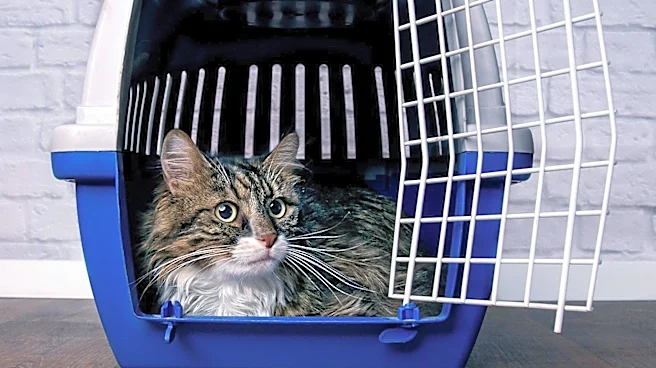
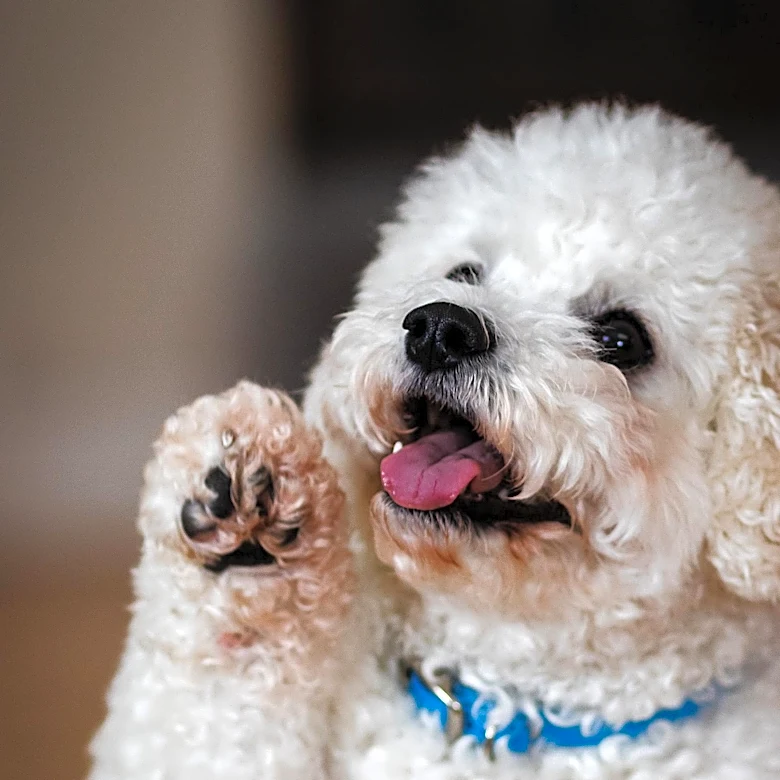
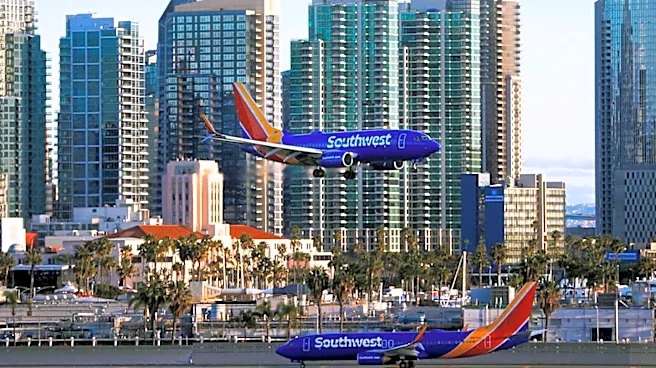
Philippine Airlines (PAL) has announced an expansion of its 'FurPAL' program, now allowing small cats to travel in aircraft cabins alongside dogs on all domestic flights. This initiative aims to make air travel more accessible for pet owners who consider
their animals part of the family, reducing the need for separation during flights. Passengers can bring one small dog or cat into the cabin for a one-way fee starting at P2,500, provided they meet specific requirements and guidelines. The pet must be placed in a carrier not exceeding 46 x 32 x 20 centimeters, with a maximum combined pet-and-carrier weight of 10 kilograms. This move by PAL reflects a growing trend where companion animals are increasingly integrated into family life, and owners desire to include them in various travel plans, whether for vacations or family visits. The airline believes that allowing pets to remain with their owners will enhance comfort and peace of mind throughout the journey.
Why It's Important?
This expansion by Philippine Airlines signifies a notable shift in the airline industry's approach to pet travel, recognizing the increasing role of pets as family members. For pet owners, this change offers significant convenience and reduces the stress associated with leaving pets behind or transporting them in cargo. It could also influence other airlines, particularly those operating in regions with similar cultural values regarding pets, to review and potentially liberalize their own pet travel policies. The move may also stimulate the pet travel market, encouraging more pet owners to consider air travel for their companions, which could lead to increased demand for pet-friendly accommodations and services at destinations. Economically, this could create new revenue streams for airlines and related industries, while socially, it reinforces the bond between humans and their pets, making travel a more inclusive experience for families with animal companions.
What's Next?
Following this policy change, Philippine Airlines will likely monitor passenger feedback and the operational impact of allowing cats in cabins. If successful, the airline might consider further expansions, such as increasing the number of pets allowed per flight or exploring options for international routes, subject to varying country regulations. Other airlines in the region and globally may observe PAL's experience to assess the feasibility and demand for similar pet-friendly services. Pet owners planning to utilize this service should familiarize themselves with PAL's updated booking requirements and pet travel guidelines, which are available on their official website. The success of this program could also lead to increased competition among airlines to offer more comprehensive pet travel solutions, potentially driving innovation in pet comfort and safety during air transport.
Beyond the Headlines
The decision by Philippine Airlines to allow cats in cabins reflects a broader societal trend of humanizing pets and integrating them more fully into daily life, including travel. This shift has implications beyond just convenience; it touches upon animal welfare, as keeping pets with owners can reduce stress for the animals compared to cargo hold travel. It also highlights the evolving definition of 'family' in modern society, where pets are often considered integral members. From a legal and ethical standpoint, as more airlines adopt such policies, there may be increased discussions around standardized regulations for pet travel, ensuring consistency in safety, health, and comfort across different carriers and jurisdictions. This could also spur innovation in pet product industries, such as specialized carriers and travel accessories designed for in-cabin use, further solidifying the pet travel market as a significant segment of the tourism industry.