





What's Happening?
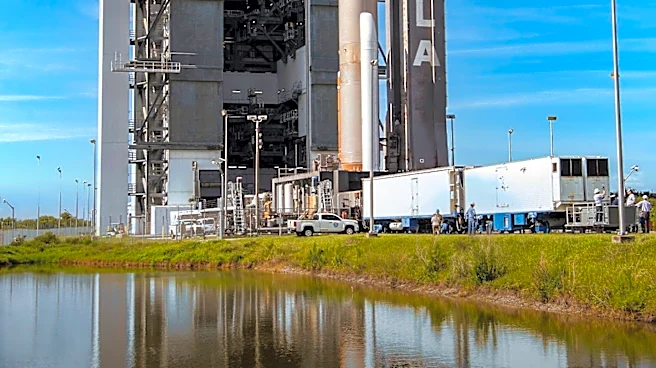
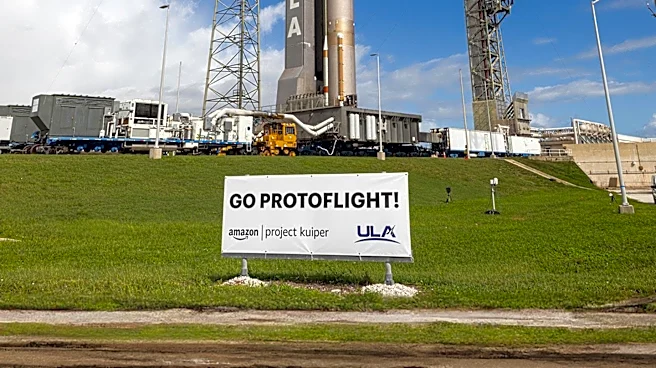
Amazon's ambitious plan to compete with Starlink in the satellite internet market has encountered a significant obstacle. On Sunday, a Vulcan vehicle launched from Space Launch Complex 41 in Cape Canaveral, Florida, experienced an 'anomaly' approximately
ten minutes into its flight. This malfunction resulted in the destruction of 40 satellites intended for low Earth orbit (LEO), which were part of Amazon's Project Kuiper constellation. The United Launch Alliance (ULA), responsible for the launch, confirmed that the rocket 'failed to deliver the Amazon mission to orbit.' While the exact cause of the anomaly is still under investigation, early telemetry suggests potential issues such as the first-stage BE-4 engines burning longer than planned and altitude problems near staging. This incident marks ULA's first total mission failure in its 20-year history. Despite this setback, Amazon's other launch partners are expected to proceed, with 36 more satellites scheduled for launch aboard a European Ariane 64 Block 2 (LE-04) rocket in the coming week.
Why It's Important?
This incident represents a substantial blow to Amazon's Project Kuiper, which aims to provide global broadband internet access via a large constellation of LEO satellites. The destruction of 40 satellites will likely delay the full commercialization of Amazon's satellite internet service, which was anticipated to transition from its current commercial beta phase to a full launch by the end of 2026. Amazon needs at least 500 satellites for basic global coverage, and while it has successfully launched 392 Kuiper communications satellites and manufactured 1,000, this failure impedes progress towards that goal. The reliability of ULA's Vulcan vehicle, a joint venture of Boeing and Lockheed Martin, will also be under scrutiny, potentially impacting future launch schedules and customer confidence. For consumers, this delay means a longer wait for a viable alternative to Starlink, potentially limiting competition in the satellite internet market.
What's Next?
The United Launch Alliance (ULA) will conduct a thorough investigation to determine the precise cause of the anomaly. This analysis is crucial for identifying corrective actions and ensuring the safety and success of future missions. ULA has committed to full transparency with its customers, including Amazon, throughout this investigation. While this specific launch encountered a failure, Amazon's broader launch schedule with other partners is expected to continue. In the immediate future, 36 more Amazon Leo satellites are slated for launch within a week on a European Ariane 64 Block 2 (LE-04) rocket. The findings from ULA's investigation will be critical for Amazon's Project Kuiper, as they will inform any necessary adjustments to satellite design, launch procedures, or vehicle specifications to prevent similar incidents and ensure the successful deployment of its remaining satellites.
Beyond the Headlines
This incident highlights the inherent risks and complexities involved in space exploration and the deployment of large-scale satellite constellations. While the immediate focus is on the technical failure, the broader implications touch upon the competitive landscape of the burgeoning satellite internet industry. Delays for Amazon could provide Starlink with an extended period of market dominance, potentially influencing pricing and service availability for consumers. Furthermore, the failure underscores the critical importance of robust engineering and rigorous testing in space technology, as even minor anomalies can lead to significant financial losses and project setbacks. The incident also serves as a reminder of the intricate supply chains and international collaborations involved in modern space ventures, with components and launch services often sourced from multiple entities and nations.