




What's Happening?
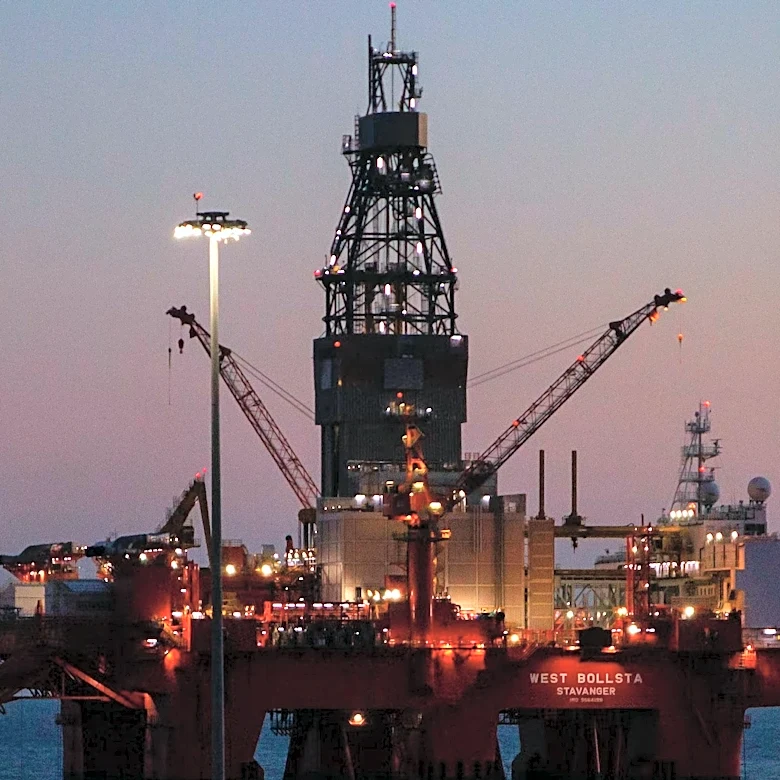
Harbour Energy PLC, the UK's largest independent oil and gas producer, has significantly expanded its global footprint, including a major push into the deepwater Gulf of Mexico. This strategic expansion follows the acquisition of LLOG Exploration Company,
marking Harbour's entry into the U.S. Gulf of Mexico market. Additionally, Harbour has been appointed as the operator of the Zama oil project offshore Mexico, which is considered one of the largest oil discoveries in the region in recent years. The company's shares rose nearly 1%, reflecting continued investor confidence in its diversification strategy beyond its traditional North Sea operations. Harbour Energy's portfolio now spans various international assets, including Norway, Germany, Denmark, Argentina, Mexico, Egypt, Libya, and Algeria, built through organic development and strategic acquisitions like the Wintershall Dea assets.
Why It's Important?
Harbour Energy's strategic expansion into the deepwater Gulf of Mexico and its operatorship of the Zama project in Mexico hold significant implications for the U.S. energy landscape and regional energy security. The acquisition of LLOG Exploration Company provides Harbour with a direct presence in a key U.S. offshore production basin, potentially increasing investment and activity in the Gulf of Mexico. The Zama project, being one of the largest recent discoveries, could become a substantial, long-life production asset, contributing to regional oil supply and potentially impacting global oil markets. This diversification strategy reduces Harbour's reliance on any single region, such as the North Sea, and its associated regulatory and fiscal environments, including the UK's evolving oil and gas taxation policies. For the U.S., increased activity in the Gulf of Mexico by a major international player could lead to job creation, technological advancements, and enhanced energy infrastructure, reinforcing the region's role as a critical energy hub.
What's Next?
Investors will closely monitor Harbour Energy's progress in integrating the LLOG acquisition and the development milestones of the Zama project. Successful development of Zama is expected to significantly boost Harbour's future output and reserves. Key factors to watch include production volumes, cost trends across its diversified international portfolio, and the pace of shareholder returns. Oil and gas price trends, along with UK fiscal policy developments, will remain relevant for its North Sea operations. The company's ability to manage integration risks from recent large acquisitions and execution risks for major development projects like Zama will be crucial. Continued positive operational performance and strategic diversification are expected to support further re-rating of its shares, while declines in oil prices or project setbacks could weigh on them. The company's strategic moves indicate a long-term commitment to expanding its global production capabilities.
Beyond the Headlines
Harbour Energy's move into the Gulf of Mexico and its role in the Zama project highlight a broader trend of international energy companies seeking to diversify their portfolios and capitalize on significant offshore discoveries. This strategic shift reflects the evolving global energy market, where companies are balancing traditional production hubs with new, high-potential regions to ensure long-term growth and resilience. The Zama project, in particular, represents a complex cross-border energy development that requires significant capital, advanced technology, and international collaboration. Its successful development could set a precedent for future large-scale offshore projects in the region, influencing investment patterns and operational strategies for other major players. Furthermore, the diversification away from the North Sea underscores the impact of national fiscal policies on investment decisions, pushing companies to seek more favorable and stable regulatory environments globally. This dynamic interplay between geopolitics, economics, and resource availability will continue to shape the future of the energy industry.