


What's Happening?
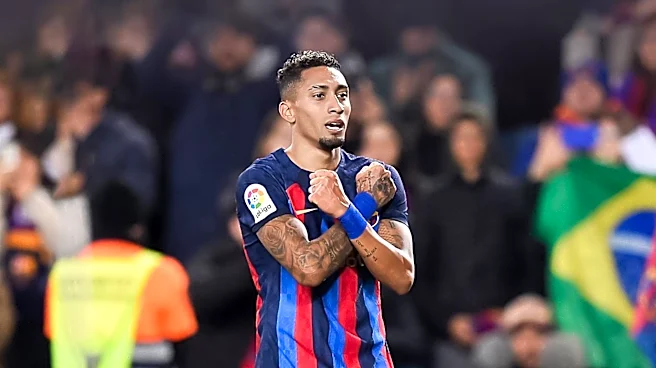
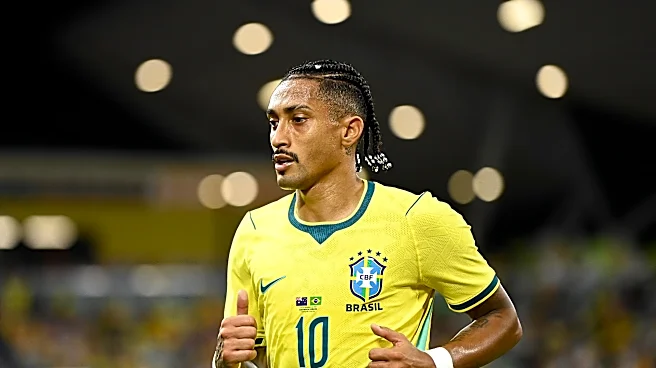
Barcelona manager Hansi Flick has voiced concerns regarding forward Raphinha's upcoming international commitments with the Brazilian national team. Raphinha has been called up for two friendly matches against Japan and Singapore, scheduled for November
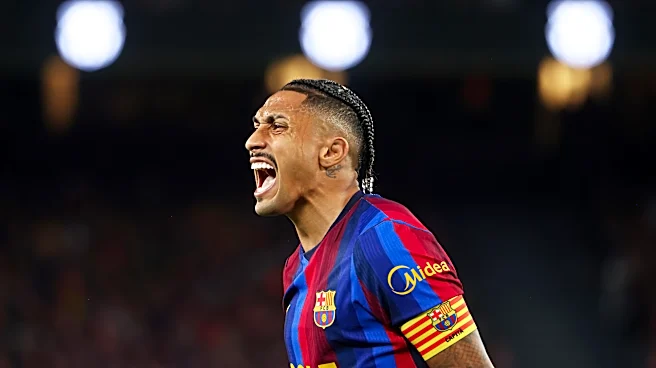
14 and 17, respectively. This entails a significant travel distance of approximately 22,000 kilometers. The club is particularly worried as Raphinha is just returning to full fitness after a recent injury, and his 86 minutes in the recent Clásico were his most since his latest setback. Barcelona fears a recurrence of what they term 'FIFA virus,' a situation where players return from international duty with injuries. Flick acknowledged that despite Raphinha being a crucial player for Barcelona, the club is powerless to prevent his national team call-up, stating, 'There's nothing we can do.'
Why It's Important?
This situation highlights the ongoing tension between top football clubs and national federations regarding player welfare and availability. For Barcelona, Raphinha is a pivotal player, currently leading La Liga's Pichichi race with 13 goals despite his injury struggles. His potential absence or reduced performance due to fatigue or another injury could significantly impact Barcelona's domestic and European campaigns. The club's reliance on him for leading the attack and maintaining high pressure makes his fitness paramount. The extensive travel and short turnaround between matches increase the risk of injury, which could have financial implications for the club in terms of player investment and potential loss of revenue from competition performance. This scenario also underscores the broader debate in professional football about the demanding schedule placed on elite players.
What's Next?
Barcelona will closely monitor Raphinha's condition during and after his international duty. The immediate concern is his safe return from the lengthy trip to Japan and Singapore without sustaining any new injuries or aggravating existing ones. Manager Hansi Flick has indicated that he hopes to manage Raphinha's playing time upon his return to minimize further risks. The club will likely implement a specific recovery and training regimen for Raphinha to reintegrate him into the squad effectively. This situation may also reignite discussions within football governing bodies about player workload, international match scheduling, and the potential for clubs to have more say in managing their players' international commitments, especially during crucial parts of the club season.
Beyond the Headlines
The recurring issue of players returning injured from international breaks, often dubbed 'FIFA virus,' points to a systemic challenge in global football. While national pride and international competitions are vital, the financial and sporting investments made by clubs in their players are substantial. This dynamic often creates a conflict of interest, where clubs prioritize player fitness for their demanding schedules, while national teams prioritize their competitive needs. This situation could lead to further calls for a more harmonized international match calendar or increased compensation for clubs when their players are injured on national duty. It also raises ethical questions about player well-being versus the demands of a packed football calendar, potentially influencing future negotiations between FIFA, confederations, and club associations regarding player release policies and insurance.