






What's Happening?
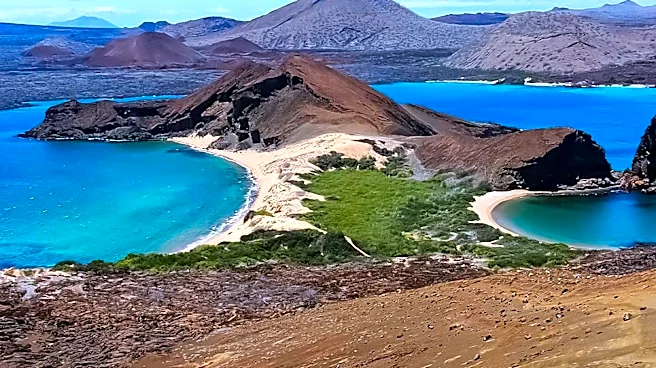
Ecuador is actively promoting sustainable tourism across its diverse regions, focusing on the Galápagos Islands, UNESCO World Heritage cities like Quito and Cuenca, and the Andean highlands. The Galápagos Archipelago, known for its endemic species, enforces
strict environmental rules, including maintaining distance from wildlife and guided tours, to protect its sensitive ecosystems. In the Andes, Quito's historic center, a UNESCO site since 1978, showcases colonial architecture, while Cuenca preserves its urban heritage with craft traditions. The 'Avenue of the Volcanoes,' including Cotopaxi National Park, attracts mountaineers and hikers, with protected areas like Sangay National Park safeguarding rare species. The Ecuadorian Amazon also offers community-based ecotourism, supported by the Ministry of Tourism, where indigenous Kichwa and Huaorani communities operate ecolodges, ensuring tourism revenues directly benefit local families and fund essential services.
Why It's Important?
Ecuador's commitment to sustainable tourism is crucial for its long-term economic stability and environmental preservation. By structuring its travel sector around conservation and heritage protection, the country aims to create a resilient tourism model that benefits both the environment and local communities. This approach helps protect fragile ecosystems, such as those in the Galápagos, which are vital for global biodiversity. The emphasis on community-based ecotourism in the Amazon ensures that economic benefits are distributed directly to indigenous populations, fostering local development and empowering these communities. For the U.S., this represents a model for responsible tourism and conservation efforts that can be supported through international partnerships and travel. The preservation of UNESCO sites also contributes to global cultural heritage, attracting tourists who seek authentic and educational travel experiences, thereby diversifying Ecuador's economy beyond traditional sectors.
What's Next?
Ecuador's tourism strategy is designed to encourage longer visitor stays by offering a variety of experiences across its four distinct regions: the coast, Andes, Amazon, and Galápagos. The Ministry of Tourism will likely continue to support and expand community-based ecotourism projects, particularly those involving indigenous communities, to ensure equitable distribution of tourism benefits. Efforts will also focus on promoting optimal travel windows for different regions, such as the dry season for the Andes and specific shoulder months for the Galápagos, to enhance visitor experience and manage environmental impact. Travelers will be encouraged to support native artisans and adhere to cultural etiquette, further integrating tourism with local traditions. The long-term outlook involves continuous monitoring and adaptation of conservation strategies to protect natural wonders and historic cities, ensuring their accessibility for future generations while maintaining economic viability.
Beyond the Headlines
The focus on sustainable tourism in Ecuador reflects a broader global shift towards responsible travel that prioritizes ecological and cultural integrity over mass tourism. This approach not only safeguards natural and historical assets but also promotes a deeper understanding and appreciation of local cultures and indigenous knowledge. The direct economic benefits to indigenous communities through ecotourism can serve as a powerful incentive for conservation, demonstrating that economic development and environmental protection are not mutually exclusive. However, challenges remain in balancing tourist demand with the carrying capacity of sensitive areas, ensuring equitable distribution of benefits, and preventing cultural commodification. The success of Ecuador's model could influence other nations with rich biodiversity and cultural heritage to adopt similar strategies, fostering a more sustainable and ethical global tourism industry. This also highlights the importance of international collaboration in protecting shared natural and cultural resources.