

What's Happening?
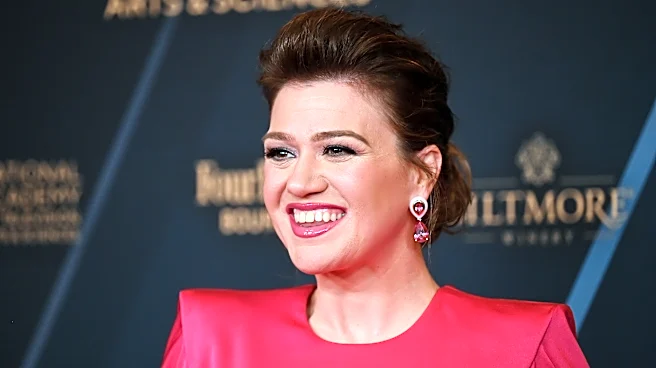
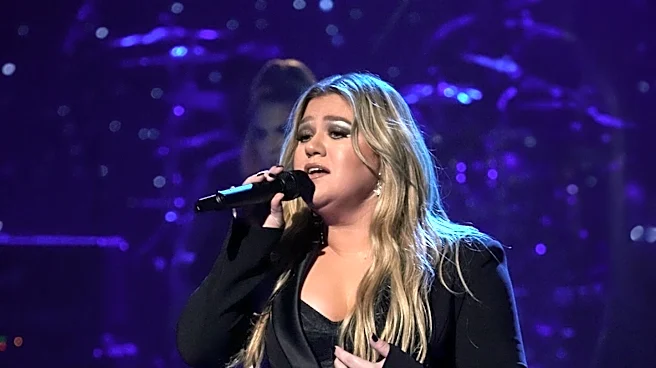
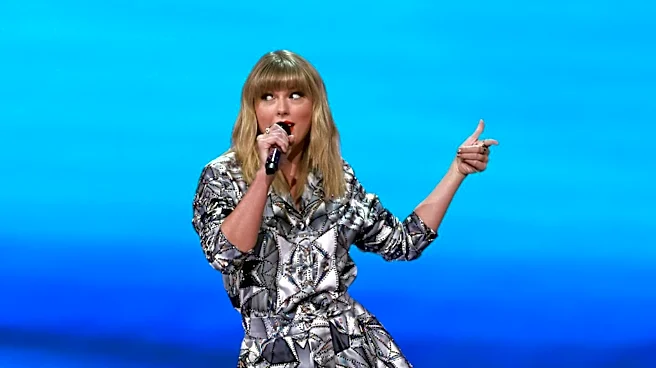
During an appearance on the 'Las Culturistas' podcast with Bowen Yang and Matt Rogers, Grammy-winning artist Kelly Clarkson shared her views on artificial intelligence in music. Clarkson expressed her enthusiasm for AI technology, acknowledging its creative
potential and the 'amazing things' it can achieve. However, she firmly stated her belief that AI-generated music should not compete directly with human artists on established music charts. She proposed the creation of a separate chart specifically for AI artists, drawing a parallel to the Olympics where robots would not compete against humans. Clarkson emphasized that while AI is a 'fun field to play in' and can assist in musical creation, the distinction between human and AI artistry must be maintained. She noted that AI is 'not going anywhere' and has many scientific applications, but stressed the importance of preserving the 'human' element in music. Billboard, the music industry standard, has not banned AI-generated music but has committed to greater transparency regarding its use.
Why It's Important?
Kelly Clarkson's stance on AI in music highlights a growing debate within the entertainment industry regarding the integration and regulation of artificial intelligence. Her suggestion for separate charts for AI artists could significantly impact how music is categorized, consumed, and valued. If adopted, such a system would create a clearer distinction for consumers and industry professionals, potentially influencing investment in human artistry versus AI development. For human artists, this could offer a layer of protection against direct competition from AI, preserving the perceived authenticity and unique value of human creativity. Conversely, it could also legitimize AI as a distinct artistic medium, fostering innovation within that space. The discussion also touches upon broader implications for intellectual property, fair competition, and the future of creative industries as AI capabilities continue to advance. The outcome of this debate could set precedents for how other creative fields address the rise of AI-generated content.
What's Next?
The conversation initiated by Kelly Clarkson is likely to fuel further discussions among music industry stakeholders, including artists, record labels, streaming platforms, and chart compilers like Billboard. While Billboard has indicated a commitment to transparency regarding AI use, the idea of separate charts could prompt a more formal review of their policies. Artists' unions and advocacy groups may leverage Clarkson's comments to push for clearer guidelines and protections for human creators. Technology companies developing AI music tools might also engage in these discussions, potentially advocating for the recognition and integration of AI-generated works. The debate could lead to industry-wide forums or task forces dedicated to establishing ethical frameworks and operational standards for AI in music. Ultimately, the industry will need to navigate the balance between embracing technological innovation and preserving the integrity and value of human artistic expression.
Beyond the Headlines
Clarkson's comments delve into the philosophical and ethical dimensions of artificial intelligence in creative fields. Her analogy of robots competing in the Olympics underscores a fundamental question: what constitutes 'art' when creation can be automated? This debate extends beyond music to visual arts, literature, and other creative domains, challenging traditional notions of authorship, originality, and artistic merit. The push for separate charts reflects a desire to maintain a clear boundary between human and machine creativity, suggesting that while AI can mimic or even surpass human capabilities in certain tasks, the human experience and emotional depth embedded in art remain unique. This conversation also touches on the potential for AI to democratize music creation, allowing individuals without traditional musical training to produce sophisticated works. However, it also raises concerns about the devaluation of human skill and the economic impact on professional artists. The long-term implications could involve a redefinition of artistic value and the emergence of new hybrid forms of art that blend human and AI contributions.