






What's Happening?
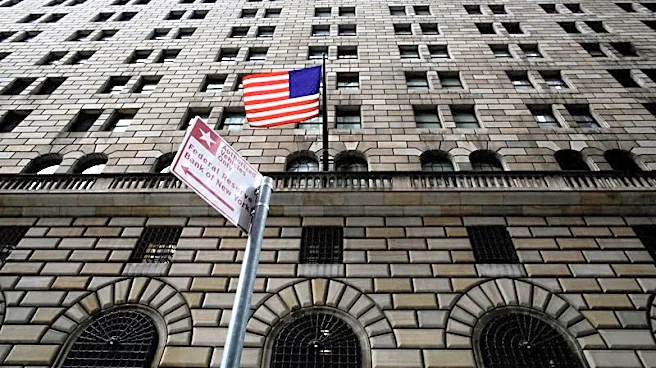
The Federal Reserve Bank of New York's latest Survey of Consumer Expectations indicates a rise in near-term inflation expectations among Americans. In June, inflation expectations for the next year increased to 3.7%, up from 3.5% in May, marking the highest
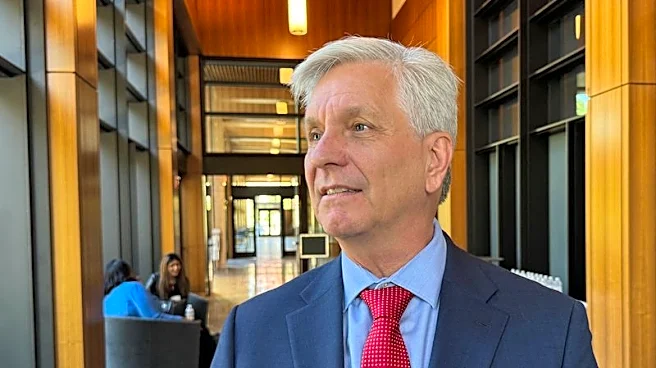
level since September 2023. This rise is attributed to a surge in energy prices, driven by conflicts in the Middle East that disrupted the transit of critical energy products, leading to sharp increases in gasoline and diesel prices. Despite these pressures, the survey also notes a more optimistic view on personal finances and a moderation in gasoline price gains. The report highlights that while inflation expectations for the next three years rose to 3.3% from 3.1% in May, the five-year ahead expectations remained steady at 3%. New York Fed President John Williams expressed cautious optimism about the near-term inflation outlook due to anticipated declines in energy prices.
Why It's Important?
The rise in inflation expectations is significant as it reflects public sentiment and can influence actual inflation trends. The Federal Reserve closely monitors these expectations to guide monetary policy decisions. The current inflation pressures, exacerbated by geopolitical tensions, pose challenges for the Fed's goal of maintaining price stability. The survey's findings suggest that while immediate inflation concerns are heightened, there is confidence in the long-term stability of prices. This balance is crucial for economic stakeholders, including businesses and consumers, as it affects spending, investment, and savings decisions. The Fed's response to these expectations, particularly regarding interest rate adjustments, will be pivotal in managing inflation and supporting economic growth.
What's Next?
The Federal Reserve is likely to continue monitoring inflation expectations closely, with potential implications for future interest rate decisions. While the Fed left its interest rate target range unchanged at the June policy meeting, ongoing inflation concerns may prompt rate hikes later in the year. The anticipated decline in energy prices could alleviate some inflationary pressures, but the Fed will need to balance these developments with broader economic indicators. Stakeholders, including businesses and consumers, will be watching for any policy shifts that could impact borrowing costs and economic activity.