







What's Happening?
The commercial construction sector is increasingly adopting advanced filtration systems to improve indoor air quality (IAQ). This trend is driven by the recognized link between air quality and employee productivity, leading to a surge in demand for superior
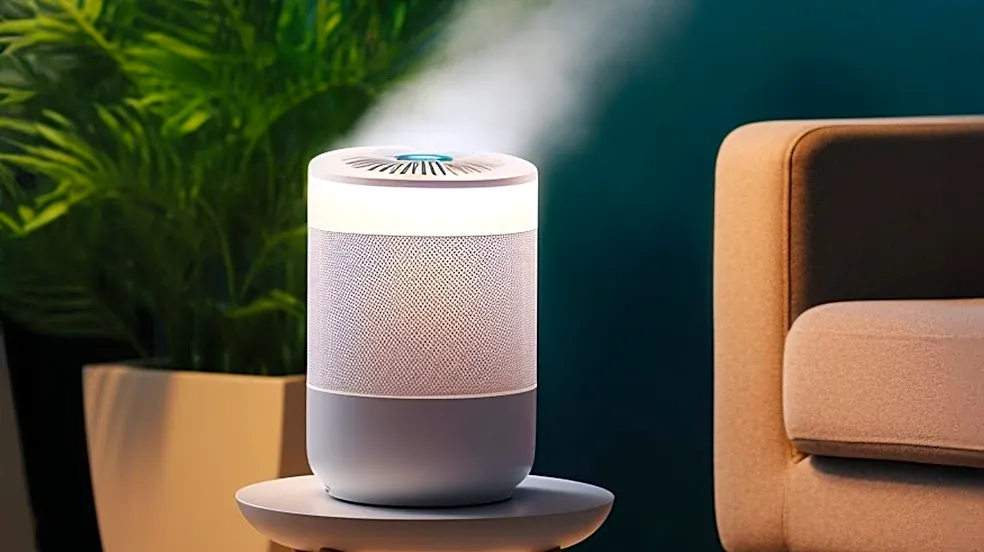
air purification technologies. These systems utilize mechanical methods to capture and neutralize a wide range of airborne contaminants, from common dust to microscopic pathogens. Filters are categorized by their Minimum Efficiency Reporting Value (MERV) rating, with many commercial buildings using MERV 8 to 11, and high-performance facilities specifying MERV 13 or higher. High-Efficiency Particulate Air (HEPA) filters, capable of capturing 99.97% of particles as small as 0.3 microns, are used in critical environments like healthcare facilities. Achieving optimal IAQ often involves a multi-layered approach, combining pre-filters, activated carbon filters, Ultraviolet Germicidal Irradiation (UVGI) systems, and bipolar ionization units. Real-time air quality sensors monitor pollutant levels, allowing systems to adjust filtration rates as needed. This comprehensive strategy aims to create healthier indoor environments and protect sensitive mechanical equipment.
Why It's Important?
The focus on advanced air filtration in commercial buildings is crucial for several reasons. Poor indoor air quality has been linked to symptoms such as headaches, fatigue, and respiratory issues, all of which negatively impact employee productivity and can lead to increased sick days. By providing clean, filtered air, businesses can improve staff focus and overall well-being, making a strategic investment in their most valuable asset: their employees. Beyond immediate health benefits, high-quality air filtration contributes to a more pleasant and professional atmosphere by removing odors and stale air, which is particularly important in environments with frequent air recirculation. This human-centric design is becoming a key differentiator in the commercial real estate market, attracting tenants who prioritize measurable wellness benefits. Furthermore, the integration of superior air cleaning technologies aligns with broader sustainability goals and green building certifications like WELL and Fitwel, potentially increasing property market value and attractiveness.
What's Next?
The long-term effectiveness of these high-performance filtration systems will depend on rigorous maintenance and timely filter replacement. Modern air handling units are equipped with differential pressure sensors to alert facility managers when filters need changing, and adherence to manufacturer recommendations is critical to maintain air quality and system efficiency. Proper handling and disposal of used filter media, especially in facilities with hazardous contaminants, will also be a key focus. The ongoing evolution of filtration technology is expected to provide new opportunities for the construction industry to further elevate the standard of the built environment. This includes the integration of smart sensors and IoT-based monitoring platforms to provide greater transparency in reporting air quality metrics to stakeholders. As the commercial real estate sector adapts to new environmental challenges, the role of mechanical air cleaning is anticipated to grow in importance, contributing to sustainable and healthy development and future-proofing assets against emerging health concerns and stricter environmental mandates.
Beyond the Headlines
The shift towards advanced air filtration in commercial buildings reflects a deeper societal recognition of the profound impact of indoor environments on human health and productivity. This goes beyond mere comfort, touching upon ethical considerations of providing safe and healthy workspaces. The emphasis on 'human-centric' design signifies a cultural shift in how commercial spaces are valued, moving beyond purely aesthetic or functional considerations to prioritize occupant well-being. This trend also highlights the increasing integration of technology and data analytics in building management, with real-time monitoring and AI-driven optimization becoming standard. The synergy between air quality and energy performance is a critical long-term implication, as engineers strive to create facilities that are both healthy and sustainable. This holistic approach to building design and operation is setting new benchmarks for environmental responsibility and occupant health, influencing future urban planning and construction practices.