





What's Happening?
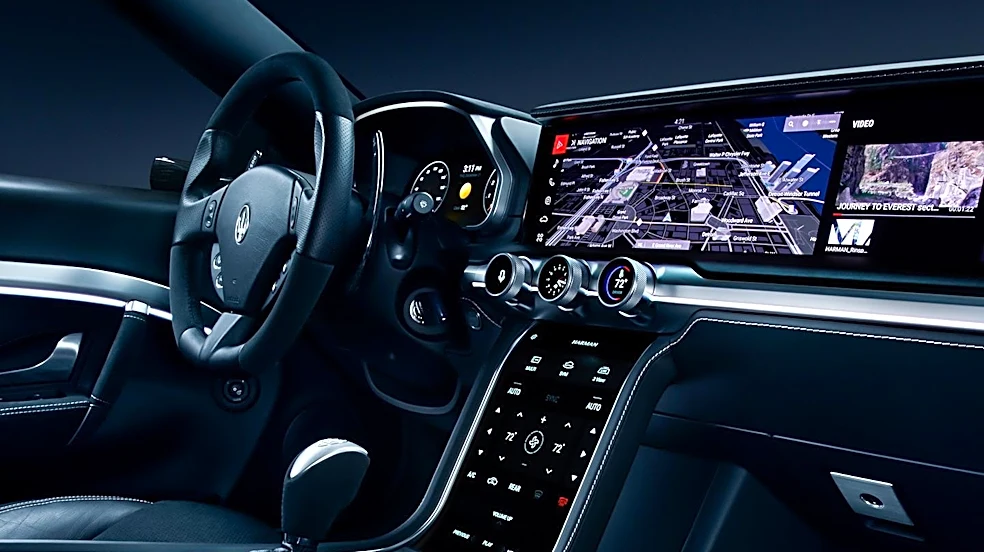
The automotive industry is undergoing a significant digital transformation, with younger consumers, often referred to as digital natives, evaluating electric vehicles (EVs) similarly to how they assess smartphones. Traditional factors like brand prestige
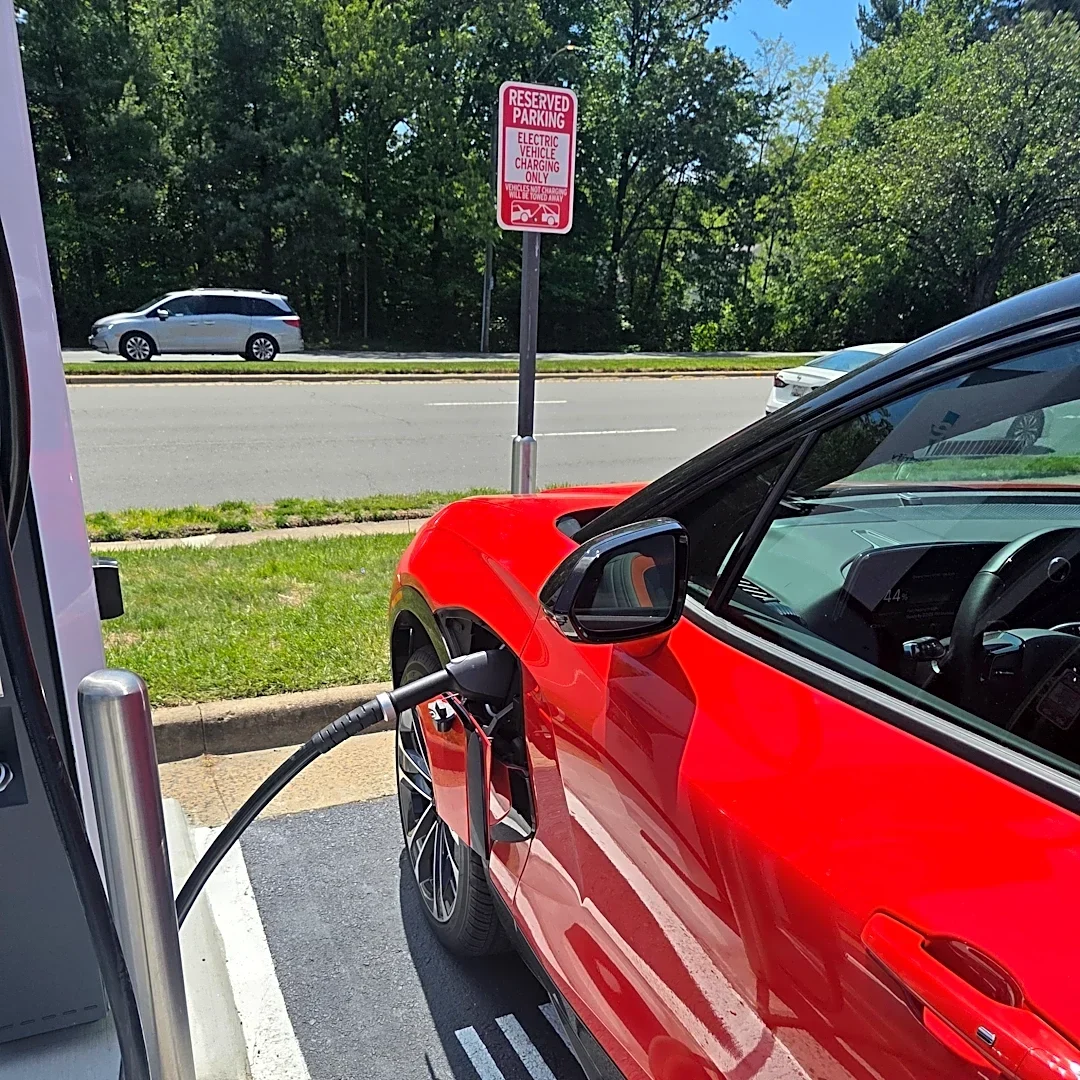
and mechanical engineering are becoming less influential, while software capabilities and digital integration are gaining prominence. Tech-focused manufacturers are leading this shift by prioritizing software-driven car systems, a trend that legacy car makers are struggling to adapt to. This technological pivot is not merely an added bonus for millennials and Gen Z; it has become a baseline expectation. The purchasing journey has also changed, with younger consumers relying heavily on online platforms, social media, user-generated content, peer opinions, online reviews, and digital advertising to inform their decisions, rather than traditional dealership visits or print brochures. Their evaluation criteria for cars now mirror those applied to mobile technology, focusing on aspects like product technological development and charging infrastructure.
Why It's Important?
This shift in consumer behavior has profound implications for the U.S. automotive market and related industries. Manufacturers that fail to adapt to the digital native's demand for software-driven connectivity risk losing market share. The emphasis on in-car technology, seamless ecosystem integration (like Apple CarPlay or Android Auto), and user experience means that car companies must invest heavily in software development and digital services. This creates opportunities for technology companies to partner with or acquire automotive firms, further blurring the lines between the tech and auto sectors. The demand for robust charging infrastructure also highlights the need for continued investment in energy and utility sectors. Furthermore, the preference for online purchasing and digital advertising will reshape marketing strategies, potentially reducing the reliance on traditional dealerships and print media. Companies that can successfully balance software innovation with the fundamental safety requirements of car design will be the winners in this evolving market.
What's Next?
Automotive manufacturers are expected to continue re-evaluating their product development and marketing strategies to cater to the preferences of digital natives. This will likely involve increased investment in software engineering, user interface design, and digital integration within vehicles. We may see more collaborations between traditional car manufacturers and technology giants to enhance in-car digital experiences. The industry will also need to address the potential for cognitive overload caused by excessive touchscreen reliance, as safety organizations and designers are pushing back against the complete elimination of physical buttons. This suggests a future where hybrid designs, combining tactile controls for core functions with digital entertainment, become more prevalent. Additionally, the focus on data security and privacy in connected cars will become a critical factor for consumer trust and adoption, prompting manufacturers to prioritize robust cybersecurity measures and transparent data handling practices.
Beyond the Headlines
The transformation of cars into 'rolling computers' raises deeper questions about the nature of ownership, privacy, and the driving experience itself. As vehicles become more integrated with digital ecosystems, the data they collect about drivers and their habits will become increasingly valuable, posing ethical considerations regarding data ownership and usage. The shift away from traditional driving attachment towards rational evaluation of transport options, including shared mobility programs, could fundamentally alter urban planning and infrastructure needs. This also highlights a generational divide in how technology is perceived and utilized, with younger consumers expecting a seamless digital continuity across all aspects of their lives, including transportation. The challenge for the automotive industry is not just to build technologically advanced cars, but to understand and integrate these vehicles into the broader digital lives of consumers, while also ensuring safety and addressing the potential for digital distraction on the road.