




What's Happening?
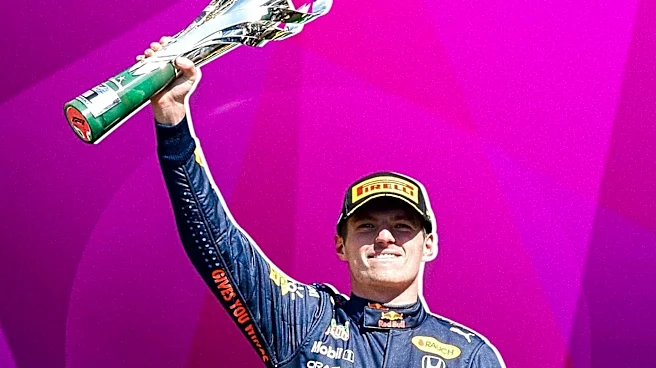
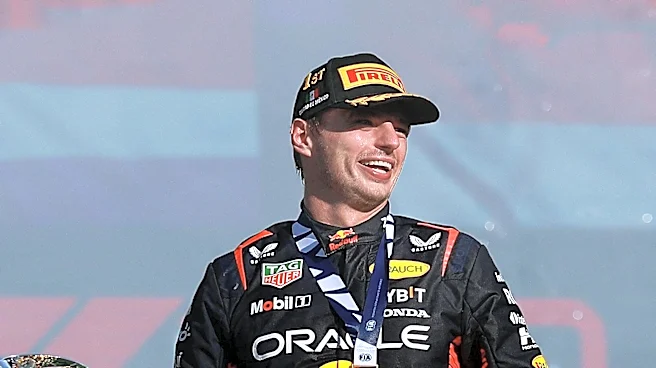
Max Verstappen, a four-time Formula 1 champion, has been issued a one-place grid penalty for the 2026 Formula 1 Mexico City Grand Prix. This penalty stems from an incident during Friday's second practice session (FP2) where he collided with Racing Bulls
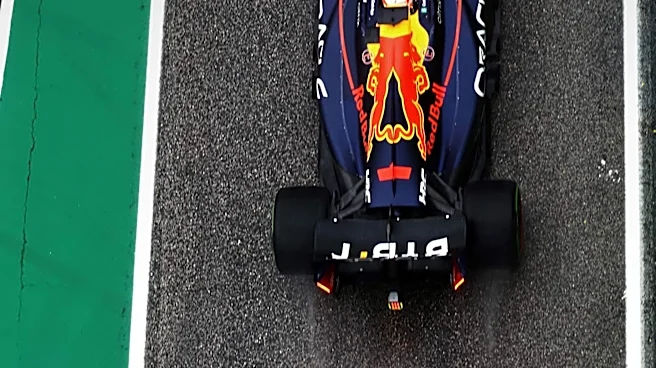
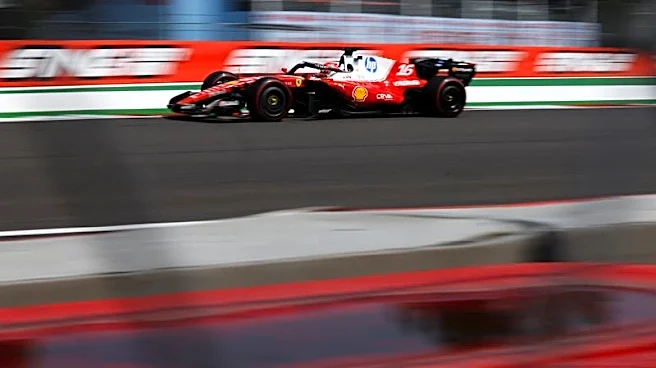
driver Liam Lawson. Both drivers received a one-place grid penalty and a penalty point on their super licenses. The FIA stewards investigated a series of moves between Verstappen, who was on a preparation lap, and Lawson, who was on a cooldown lap, from Turn 12 to Turn 14. The stewards deemed their actions unacceptable, especially given a prior warning issued during the team managers' meeting about similar incidents. Both drivers admitted their moves were 'unnecessary' and 'clumsy.' Verstappen's penalty point brings his 12-month total to one, while Lawson's total is now four. The incident resulted in damage to both cars, with Verstappen's RB22 losing a piece of its bargeboard and Lawson's Racing Bulls sustaining front-wing damage.
Why It's Important?
This penalty significantly impacts Verstappen's starting position for the Mexico City Grand Prix, potentially affecting his race strategy and chances for victory. As a dominant force in Formula 1, any setback for Verstappen can alter the competitive landscape of the race, offering other drivers a better opportunity to contend for the top spots. The FIA's decision to escalate the punishment beyond a formal warning underscores a stricter stance on driver conduct during practice sessions, aiming to prevent 'unnecessary' and 'clumsy' maneuvers that can lead to collisions and car damage. This could influence how drivers approach practice sessions in the future, encouraging more cautious behavior to avoid penalties that carry over to the main race. For Liam Lawson, who is reportedly fighting for his seat, receiving a penalty point and a grid drop could add pressure to his performance and future in Formula 1.
What's Next?
Verstappen will start one position lower than his qualifying result for the Mexico City Grand Prix. Despite qualifying fourth, he will now begin the race in fifth place. Lawson, who qualified eighth, will start ninth. This adjustment to the starting grid will likely influence the initial stages of the race, as both drivers will need to navigate their way through the field from a slightly disadvantaged position. The incident and subsequent penalties may also lead to further discussions within the Red Bull and Racing Bulls teams regarding driver conduct and team strategy, particularly concerning interactions between their drivers on track. The FIA's consistent application of penalties for such incidents suggests that similar actions in future practice sessions will likely face comparable consequences.
Beyond the Headlines
The incident highlights the underlying tensions and competitive pressures within Formula 1, even during practice sessions. Verstappen's critical remarks about Lawson's 'not very smart behavior,' especially given Lawson's fight for a permanent seat, reveal the high stakes involved for drivers at all levels. This dynamic between established champions and aspiring talents can lead to aggressive on-track interactions. The FIA's decision to penalize both drivers, despite their differing positions in the sport, reinforces the principle of equal application of rules. This incident also brings into focus the importance of driver discipline and adherence to regulations, even when not directly competing for race positions, as practice session incidents can have tangible consequences for the main event.