




What's Happening?
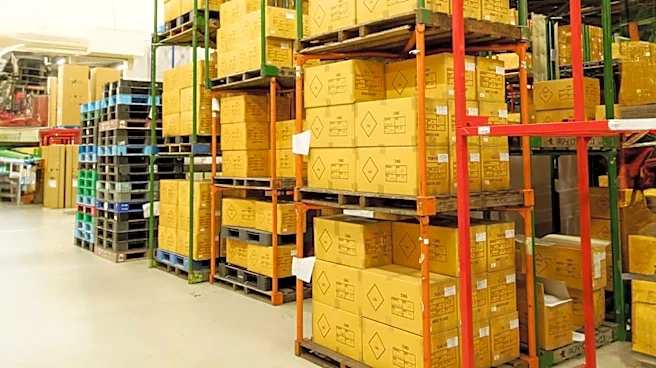
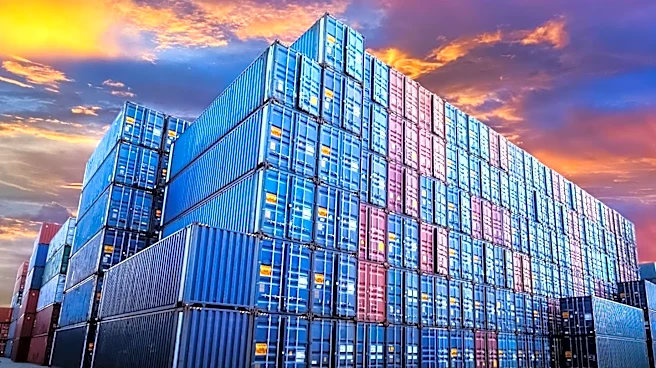
The U.S. industrial real estate market is experiencing a significant tightening, with vacancy rates falling below 7% in the second quarter of 2026. This marks the strongest leasing activity since mid-2022, driven by robust demand from data-center equipment
suppliers. According to Cushman & Wakefield's report, net absorption reached 62.1 million square feet, indicating a sustained reacceleration of occupier demand. The construction of industrial real estate has also surged, with over 305 million square feet under construction, representing an 18% increase from the previous year. This growth is largely attributed to the demand for data-center infrastructure, which is reshaping the industrial landscape.
Why It's Important?
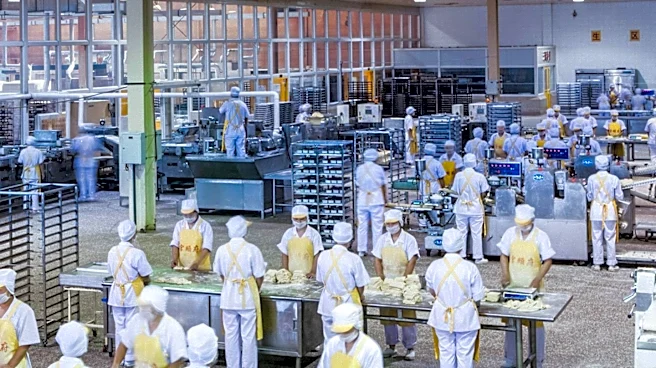
The decline in industrial vacancy rates and the surge in leasing activity highlight a shift in the U.S. industrial market dynamics. This trend suggests a tightening market where tenants may face increased competition for space, potentially leading to higher rental rates. For businesses involved in distribution, manufacturing, or logistics, this could mean reevaluating their real estate strategies to secure favorable lease terms. The increased demand for data-center infrastructure underscores the growing importance of technology and data management in the economy, influencing investment and development priorities in the industrial sector.
What's Next?
As the industrial market continues to tighten, businesses with upcoming lease renewals may need to act swiftly to secure advantageous terms. The current market conditions suggest that waiting for better deals could be risky, as vacancy rates are expected to remain low. Companies may also explore opportunities in secondary markets where space is more readily available, albeit with potential trade-offs in terms of logistics and labor availability. The ongoing demand for data-center infrastructure is likely to drive further construction and investment in this sector, shaping the future landscape of industrial real estate.