
What's Happening?
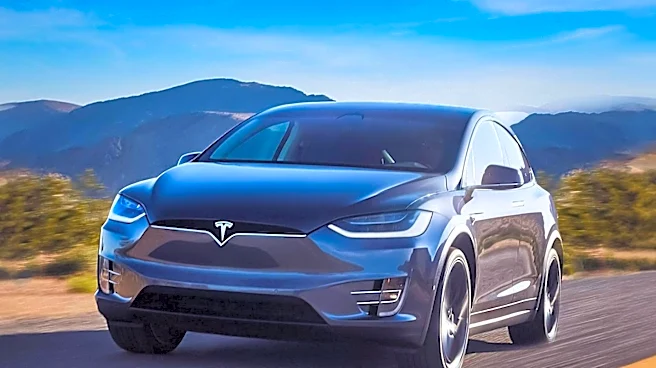
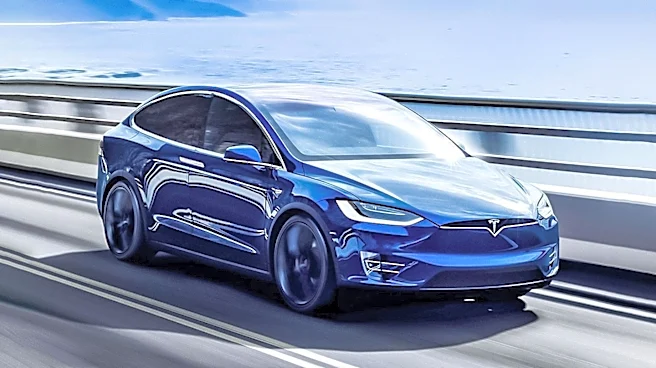
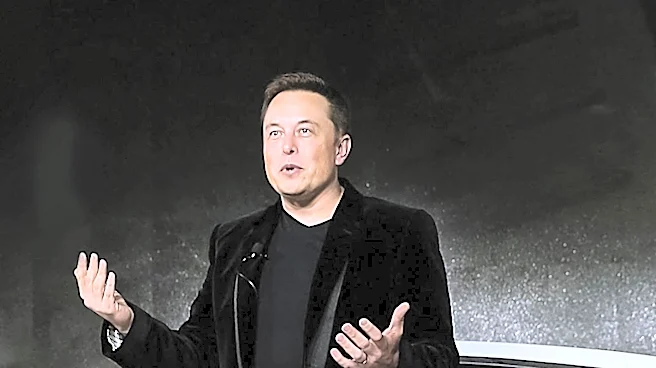
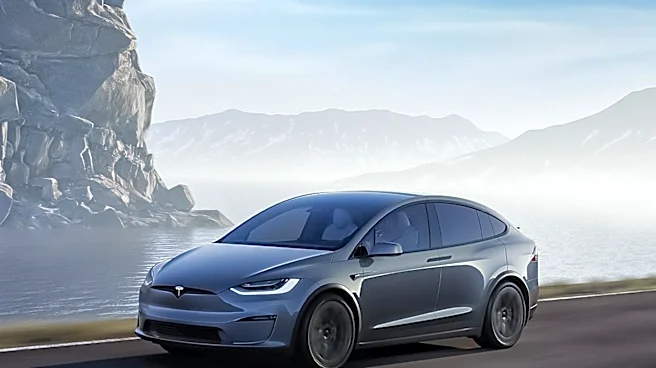
Tesla CEO Elon Musk announced that Full Self-Driving (FSD) v15 will be widely released in December 2026, coinciding with the annual Tesla Holiday Update. This release is anticipated to be a significant upgrade, with Musk stating it will be 'something
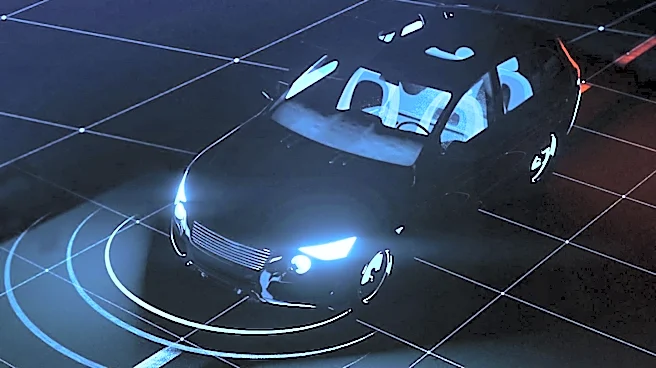
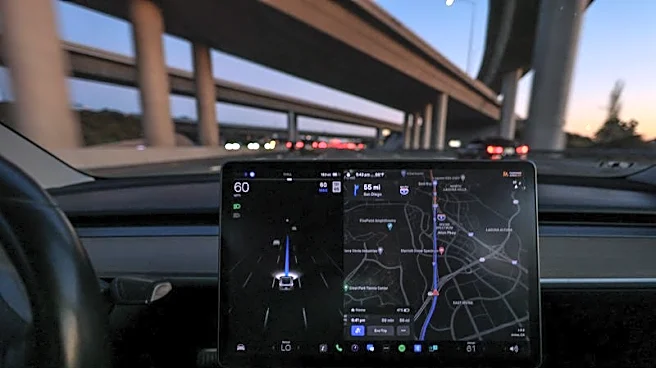
special.' FSD v15 is expected to increase its parameter count tenfold, from 1 billion to 10 billion, indicating a substantial leap in its AI capabilities. Tesla's approach to FSD development emphasizes self-learning AI, where the neural network learns from video and telemetry data from its global fleet, rather than relying on extensive hard-coded instructions. The update will also introduce a new user interface with 'mind-bending' reality renders, designed to visually represent the car's perception of its surroundings in an advanced way. This FSD v15 update will be exclusively available for Tesla vehicles equipped with Hardware 4 (HW4/AI4).
Why It's Important?
The wide release of FSD v15 marks a critical step in Tesla's pursuit of fully autonomous driving. The tenfold increase in AI parameters suggests a more sophisticated and capable system, potentially improving its ability to navigate complex driving scenarios and react more intelligently to unpredictable road conditions. The emphasis on self-learning AI reflects a broader trend in artificial intelligence development, aiming for systems that can adapt and improve without constant human intervention. The 'mind-bending' reality renders could enhance driver confidence and understanding of the system's perception, making the autonomous driving experience more intuitive. This update could further solidify Tesla's position as a leader in automotive AI and potentially accelerate the adoption of advanced driver-assistance systems, influencing the future of transportation and urban planning.
What's Next?
Following the wide release in December, the performance and safety of FSD v15 will be closely scrutinized by regulators, consumers, and competitors. The data collected from millions of miles driven by customer vehicles will be crucial for further refinement and validation of the system. Tesla will likely continue to iterate on the FSD software, with future updates building upon the advancements introduced in v15. The success of this release could influence regulatory frameworks for autonomous vehicles globally, potentially paving the way for broader deployment of unsupervised FSD features. Competitors in the automotive industry will be watching closely, as Tesla's progress in AI could set new benchmarks for autonomous driving capabilities and user experience, driving further innovation across the sector.
Beyond the Headlines
The evolution of Tesla's FSD system, particularly with its focus on self-learning AI and advanced reality rendering, raises profound questions about the future of human-machine interaction and the nature of intelligence itself. The shift away from hard-coded rules towards neural network-based learning signifies a move towards more organic and adaptive AI, blurring the lines between programmed behavior and emergent intelligence. The 'mind-bending' reality renders could also transform how humans perceive and interact with their vehicles, potentially creating a more immersive and intuitive driving experience that redefines the relationship between driver and car. Ethically, the increasing autonomy of these systems will necessitate ongoing discussions about accountability, decision-making in critical situations, and the societal impact of widespread autonomous transportation, including job displacement and urban redesign. This technological leap is not just about driving; it's about redefining mobility and our interaction with the physical world through AI.