



What's Happening?
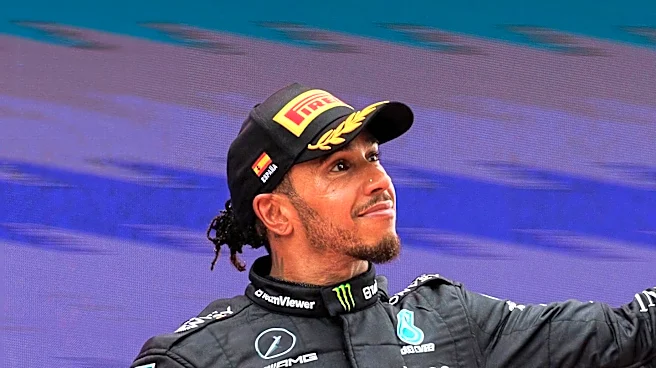
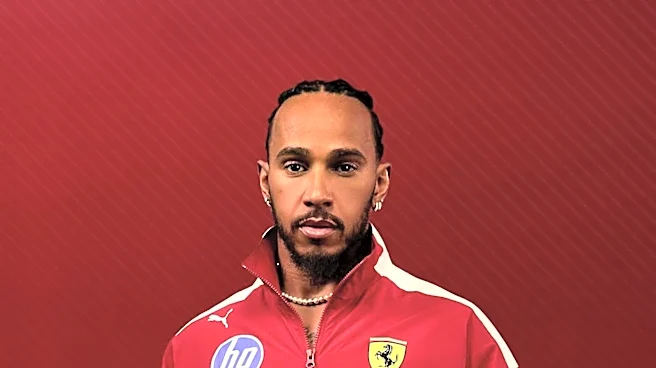
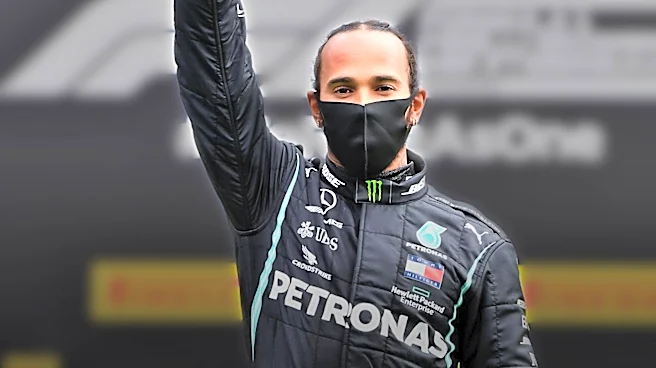
Lewis Hamilton has stated that his primary focus is on securing second place in the Formula 1 constructors' championship for Ferrari and contributing to the improvement of their car and power unit for the 2027 season. According to RacingNews365, Hamilton views
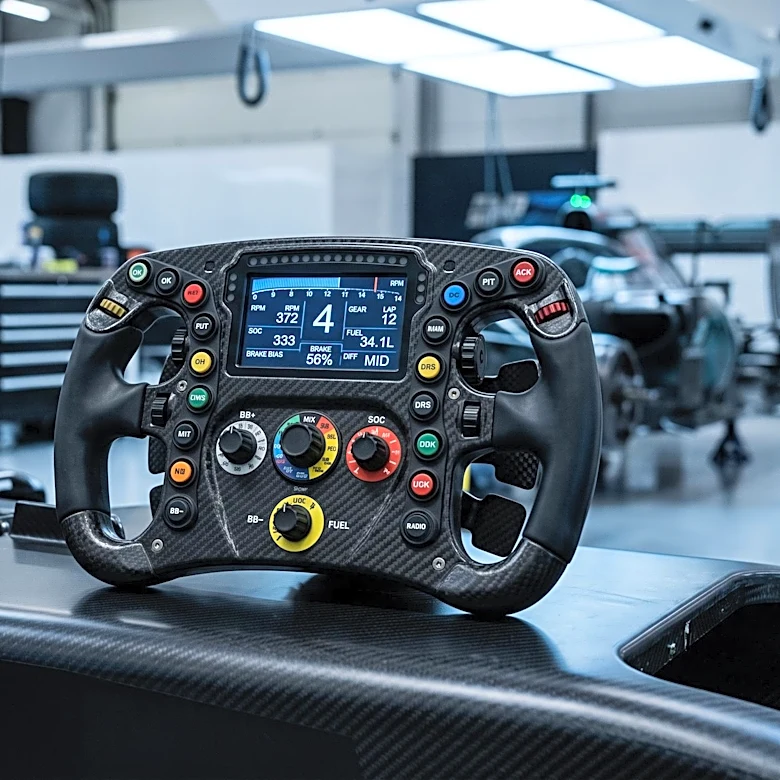
individual driver standings behind first place as less significant. Instead, he is concentrating on Ferrari's overall championship ambitions and utilizing the remaining races as a 'test bench' for next year's car. He is actively engaging with the head aerodynamicist and discussing vehicle dynamics to identify areas for improvement while retaining the current chassis's strengths. Hamilton aims to level up the car for the upcoming season without compromising its existing positive attributes. He specifically identified straight-line performance against rivals like Red Bull and Mercedes-powered teams as a key weakness that needs addressing.
Why It's Important?
Hamilton's declared focus on the constructors' championship and future car development highlights a strategic shift towards long-term team success over individual accolades. This approach could significantly impact Ferrari's competitive standing in the highly competitive Formula 1 landscape. By prioritizing the team's overall performance and the development of the 2027 car, Hamilton is signaling a commitment to building a stronger foundation for future championship challenges. This could lead to more cohesive team strategies and resource allocation, potentially benefiting Ferrari in the long run. For the U.S. market, where Formula 1's popularity is growing, a stronger Ferrari team could enhance viewership and engagement, attracting more sponsors and investment into the sport. The emphasis on technical development also underscores the high-stakes engineering and innovation inherent in F1, which can have spillover effects into other automotive and technology sectors.
What's Next?
The remaining races of the current season will serve as crucial testing grounds for Ferrari's 2027 car development, with Hamilton actively involved in providing feedback and insights. This period will be vital for the team to gather data and make informed decisions regarding design and engineering changes. The outcome of these development efforts will directly influence Ferrari's competitiveness in the upcoming seasons. Furthermore, the team's ability to secure second in the constructors' championship will provide a significant morale and financial boost, impacting their resources for future development. The ongoing discussions and collaboration between Hamilton and Ferrari's technical team will be closely watched by competitors and fans alike, as they aim to close the performance gap to leading teams.
Beyond the Headlines
Hamilton's emphasis on team performance and future development also subtly addresses the ongoing debate surrounding driver hierarchy within Ferrari, as highlighted by other sources. By focusing on the collective goal, he implicitly positions himself as a team player, potentially mitigating internal tensions. This approach could foster a more collaborative environment within Ferrari, which has historically faced challenges in managing multiple top-tier drivers. The long-term implications extend to the broader F1 ecosystem, where driver influence on car development is paramount. Hamilton's deep involvement could set a precedent for how experienced drivers contribute beyond their on-track performance, shaping the future direction of their teams and potentially influencing the sport's technical regulations.