



What's Happening?
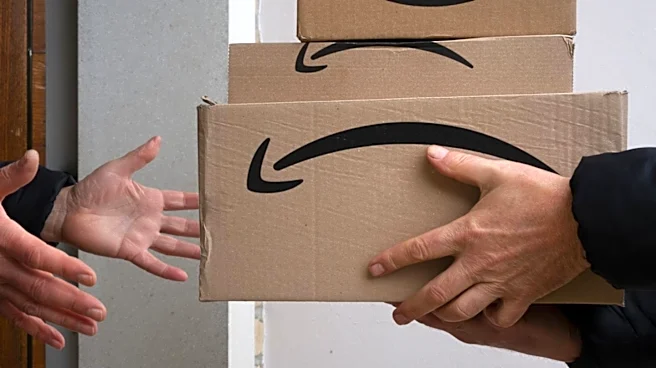
A New York-based computer repair and custom gaming PC retail store, PC Plug, reported receiving empty AMD Ryzen 5 9600X CPU boxes from Amazon on two separate occasions within three days. According to a Reddit post by one of the co-owners, they ordered
a CPU and received only the retail box without the processor. After requesting a refund, they placed a second order for the same CPU with next-day delivery, only to receive another empty box. The store typically orders 90% of its hardware inventory, amounting to approximately $10,000 monthly, through Amazon. These specific orders were accidentally placed through 'The Tech Group,' a third-party seller whose orders are fulfilled by Amazon, rather than directly from Amazon or the manufacturer. The co-owner stated that while they have experienced damaged or partially missing packages about 10 times over the last five years, this is the first instance of receiving a product with no hardware inside, and it occurred twice in quick succession. The store records all product unboxings and maintains documentation for such incidents.
Why It's Important?
This incident highlights significant vulnerabilities within large e-commerce platforms like Amazon, particularly concerning third-party sellers and fulfillment processes. For small businesses like PC Plug, which rely heavily on platforms like Amazon Business Prime for inventory, such scams can lead to substantial financial losses, operational disruptions, and a loss of trust in their supply chain. The reported value of $10,000 per month in Amazon hardware purchases underscores the potential impact on their business if these issues persist or if their Amazon account is jeopardized due to the attention surrounding the incidents. The situation also raises questions about the efficacy of seller rating systems, as 'The Tech Group' reportedly had decent ratings that the victim suspects could be fake. This could deter other businesses and individual consumers from purchasing expensive computer hardware online, impacting the broader e-commerce ecosystem and the sales of legitimate sellers.
What's Next?
PC Plug has security camera footage documenting the unboxing of both Amazon packages, which they claim show the boxes containing only the CPU packaging. This evidence will likely be crucial in their ongoing efforts to resolve the issue with Amazon and secure refunds. The co-owner expressed concern that the public attention surrounding the incident could potentially put their Amazon account at risk, which is vital for their business operations. Amazon will likely need to investigate 'The Tech Group' and its fulfillment processes to address the alleged scam and prevent future occurrences. Consumers and businesses are being advised to exercise caution when purchasing expensive computer hardware online, recommending purchases from reputable sellers and the practice of recording unboxings as video evidence in case of issues.
Beyond the Headlines
The recurring nature of such 'empty box' or 'wrong product' scams on major e-commerce platforms points to a systemic challenge in ensuring product integrity and combating fraud within complex supply chains. While Amazon fulfills orders for third-party sellers, the ultimate responsibility for product verification and customer satisfaction often falls into a gray area, creating loopholes for fraudulent activities. This situation could prompt a re-evaluation of Amazon's oversight mechanisms for third-party sellers, particularly for high-value items, and potentially lead to stricter verification processes or enhanced buyer protection policies. The reliance of small businesses on these platforms for inventory also underscores the need for robust dispute resolution mechanisms and transparent accountability when issues arise, impacting not just individual transactions but the operational stability of numerous small enterprises across the U.S. The incident also highlights the growing importance of consumer vigilance and proactive documentation, such as video recording unboxings, as a necessary safeguard in the digital marketplace.