






What's Happening?
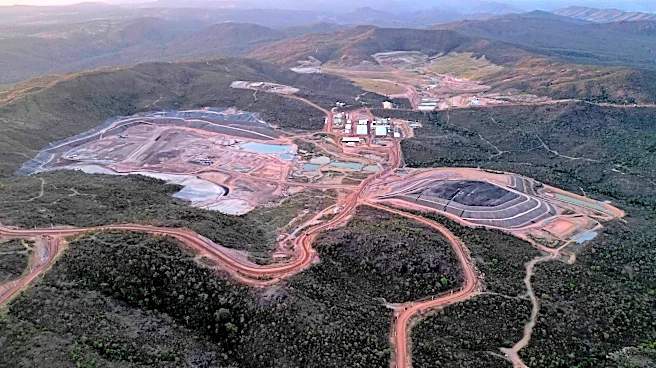
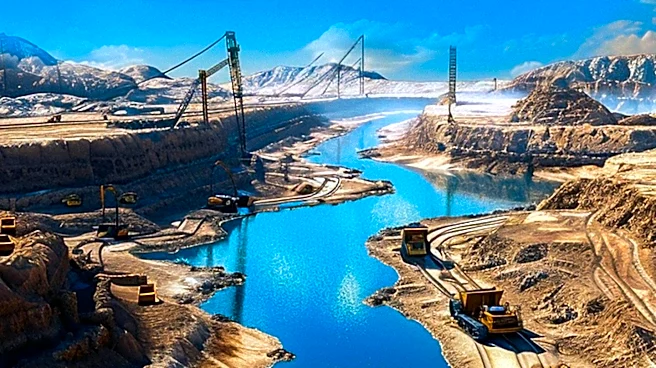
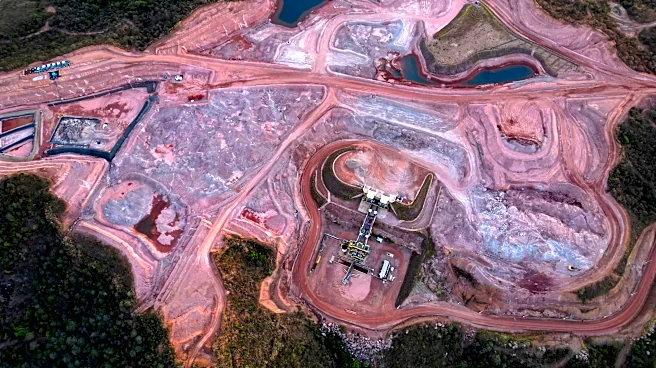
Genex Power, an Australian company, has undertaken a pioneering project to transform two abandoned gold mine pits in Queensland into a 250-megawatt pumped hydro energy storage facility, known as K2-Hydro. This initiative marks Australia's first new pumped hydro plant
in over 40 years and the first globally to be built within an abandoned gold mine. The project utilizes the natural elevation difference between the two pits, with a maximum drop of 715 feet, to generate 250 megawatts of power for eight hours straight using two reversible turbines. The upper pit, Wises Pit, was sealed with a 3.7-mile embankment and an HDPE liner, and 6.6 billion gallons of water were pumped uphill from the lower Eldridge Pit to charge the system. While initially slated for completion in October 2026, the project's operational date has been pushed to July 2027 due to the complexity of civil works, including navigating fractured rock and groundwater during tunneling. The facility is designed as a closed-loop system, meaning the same water is continuously cycled, making it independent of rainfall.
Why It's Important?
This project is globally significant as a blueprint for repurposing abandoned industrial sites, particularly mines, into large-scale renewable energy infrastructure. The success or challenges encountered at Kidston will influence future investments and strategies for grid-scale energy storage worldwide. The innovative engineering solutions developed to manage the unique characteristics of the mine pits, such as the significant water level fluctuations, are being closely watched by the energy sector. The ability to convert existing voids into energy storage facilities offers a sustainable alternative to constructing new reservoirs, potentially reducing environmental impact and development costs. Furthermore, the project contributes to Australia's long-duration storage targets, enhancing grid stability and supporting the integration of intermittent renewable energy sources like solar and wind. The remote management of the plant from Italy also highlights the increasing globalization and technological sophistication in energy infrastructure operations.
What's Next?
The K2-Hydro project is now expected to commence operations in July 2027, a year later than its original target. Following its completion, EnergyAustralia will assume full dispatch rights under a 30-year storage services agreement, determining when the plant runs. The project's performance and cost-effectiveness will be closely monitored, especially in comparison to other large-scale energy projects. The New South Wales government has already approved a similar A$1.8 billion pumped hydro and solar project on the Stratford Mining Complex, an abandoned coal pit, indicating a growing trend in utilizing disused mining sites for energy storage. The success of Kidston will likely accelerate the adoption of this model for other abandoned mines globally, potentially leading to a new wave of sustainable infrastructure development. Future developments will focus on optimizing operational efficiency and assessing the long-term economic and environmental benefits of such conversions.
Beyond the Headlines
The Kidston project represents a profound shift in how industrial legacies, specifically abandoned mines, can be viewed not as environmental liabilities but as valuable assets for future energy needs. This innovative approach addresses the dual challenges of environmental remediation and the urgent demand for grid-scale energy storage in the transition to renewable energy. The project's reliance on existing infrastructure, such as roads, an airstrip, and water rights, significantly reduces the initial development footprint and costs, offering a model for sustainable resource utilization. Ethically, it transforms sites of past resource extraction into contributors to a cleaner energy future, potentially fostering community goodwill and economic revitalization in regions affected by mining closures. The global attention on Kidston underscores a broader recognition of the need for creative, site-specific solutions to energy storage, moving beyond conventional methods and embracing adaptive reuse of industrial landscapes. This could set a precedent for other industries with large, disused sites to explore similar conversion opportunities.