





What's Happening?
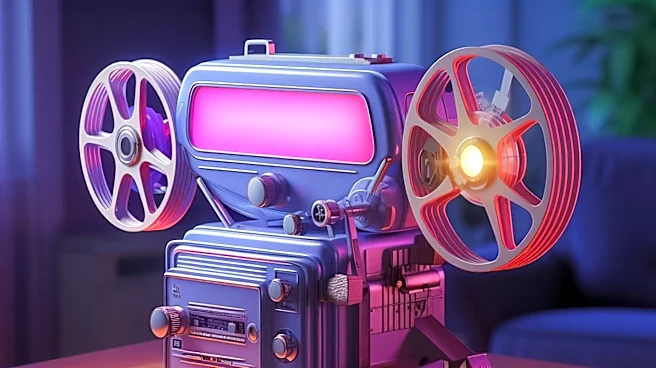
The history of animation is a rich tapestry that spans over a century, evolving from simple hand-drawn techniques to sophisticated CGI and hybrid animations. The Western world, particularly the United States, experienced its 'Golden Age of Animation'
in the late 1920s with studios like Walt Disney and Warner Bros. leading the charge. Iconic characters such as Mickey Mouse and Bugs Bunny emerged during this period. The advent of television in the 1960s shifted animation towards shorter formats, giving rise to popular cartoons like 'Scooby Doo' and 'The Flintstones.' Meanwhile, Eastern animation, particularly Japanese anime, gained global prominence in the 1980s, with studios like Studio Ghibli producing culturally significant works. Today, animation continues to thrive, blending Western and Eastern styles and incorporating advanced technologies.
Why It's Important?
Understanding the evolution of animation is crucial for appreciating its impact on global entertainment and culture. Animation has not only provided entertainment but also served as a medium for storytelling that transcends cultural boundaries. The integration of CGI and digital techniques has expanded the possibilities for animators, allowing for more complex and visually stunning productions. This evolution reflects broader technological advancements and cultural exchanges between the East and West, highlighting animation as a universal language that connects audiences worldwide. The industry's growth also underscores the economic significance of animation, as it continues to be a major driver of revenue for studios.
Beyond the Headlines
The ongoing development of animation technology raises questions about the future of storytelling and the role of traditional techniques in a digital age. As animation becomes more sophisticated, there is a potential for new ethical considerations, such as the portrayal of realistic characters and the impact on live-action filmmaking. Additionally, the cultural exchange between Western and Eastern animation styles may lead to new hybrid forms that challenge conventional genre boundaries. The industry's evolution also prompts discussions about the preservation of animation history and the importance of maintaining diverse storytelling perspectives.