





What's Happening?
Fitness studios are evolving beyond traditional workout programming to incorporate holistic wellness elements, such as red light therapy and sensory integration. Erin Romney, founder of Romney Studios in New Orleans, exemplifies this shift by integrating
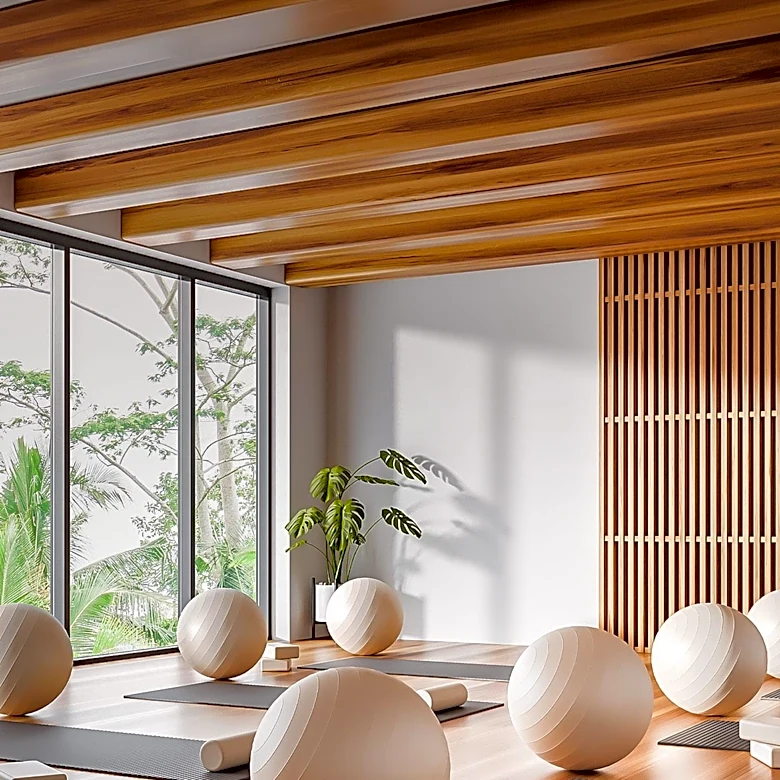
red light therapy and infrared heat into her studio's offerings. This approach acknowledges that the environment significantly impacts the fitness experience, influencing mood, recovery, and overall well-being. The focus is on creating a supportive atmosphere where recovery and vitality are considered integral to the fitness journey, rather than separate components. This trend caters to modern individuals, particularly women, who seek more than just a physical workout, often managing demanding careers, hormonal shifts, and the need for comprehensive self-care.
Why It's Important?
This shift in fitness studio design and philosophy is important because it addresses a growing demand for more integrated and supportive wellness experiences. By focusing on sensory wellness, studios like Romney's are moving beyond purely output-driven fitness models to acknowledge the broader physiological and psychological factors that contribute to health. This can lead to increased client retention and satisfaction, as individuals feel more supported in their overall wellness goals. For the fitness industry, it signifies a potential competitive advantage for studios that can offer a coherent ecosystem of support, rather than just a collection of disparate services. This approach could also influence how fitness professionals are trained, emphasizing a more holistic understanding of client needs and environmental impact.
What's Next?
The integration of sensory wellness elements like red light therapy is likely to become a more widespread trend in boutique fitness studios. This could lead to further innovations in studio design, incorporating elements such as specialized lighting, soundscapes, and aromatherapy to enhance the client experience. We may also see an increased emphasis on personalized wellness plans that combine physical activity with recovery, mental well-being, and environmental considerations. This evolution could also drive demand for new technologies and services that support holistic wellness, creating new market opportunities within the fitness and wellness sectors. Additionally, the success of studios adopting this model may encourage larger fitness chains to explore similar integrations.
Beyond the Headlines
The deeper implication of this trend is a redefinition of what 'fitness' entails. It moves beyond mere physical exertion to encompass a more comprehensive understanding of human well-being, acknowledging the interconnectedness of physical, mental, and environmental factors. This shift reflects a broader cultural movement towards self-care and preventative health, where individuals are seeking environments that not only challenge them physically but also nurture their overall health. Ethically, it highlights the responsibility of fitness providers to create spaces that are genuinely supportive and inclusive, rather than solely performance-oriented. This could lead to a more sustainable and accessible approach to fitness for a wider demographic, particularly those who may have felt alienated by traditional gym cultures.