




What's Happening?
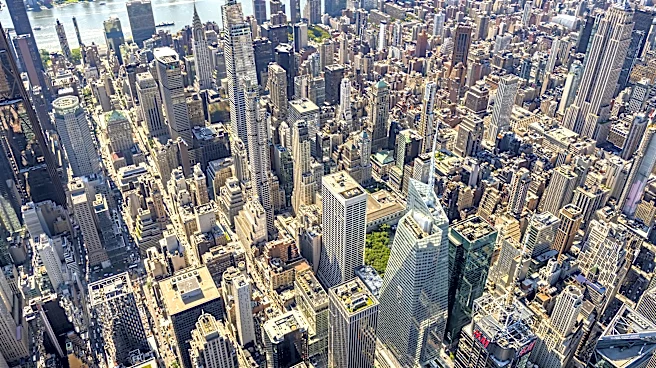
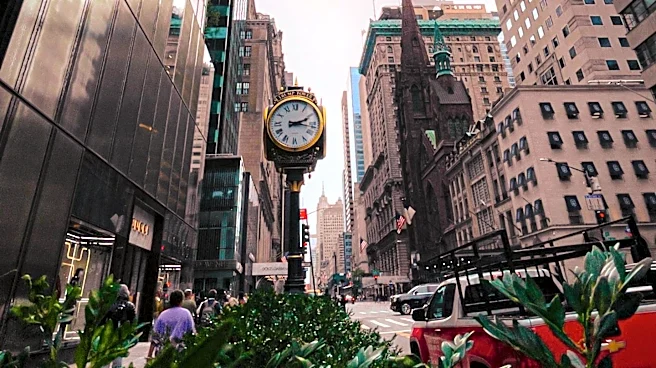
Midtown East in Manhattan is experiencing a wave of new construction and redevelopment projects, introducing both new housing units and upgraded commercial spaces. Among these, work is set to commence on the residential conversion of 330 East 59th Street,
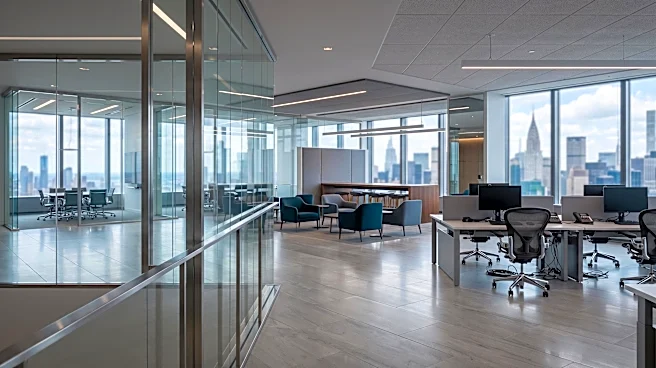
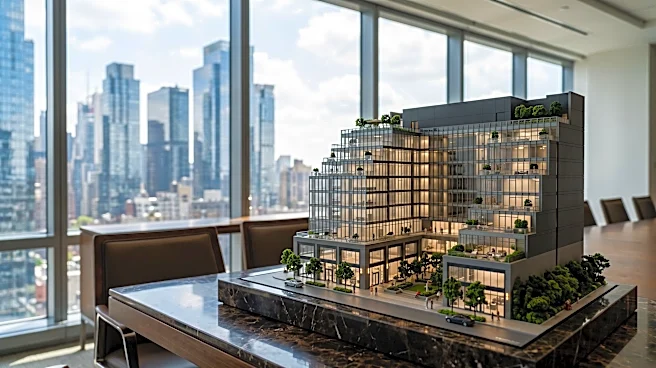
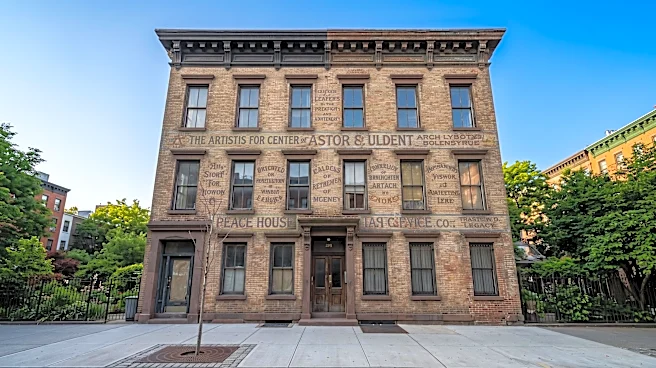
an eight-story commercial building. This 119-year-old structure will be repurposed into 24 residential units, with an added ninth floor, new ground-floor retail, and a fitness center. Permits for this project, designed by Palette Architecture and developed by Astor & Rowe, were approved in September. Additionally, significant modernization is underway at 460 Park Avenue, a 22-story office building. This $200 million project by Hahn Kook Center (U.S.A.), Inc. involves a full recladding, a new double-height lobby, a multi-floor amenity suite, and terraces, with completion slated for the second quarter of 2028. Demolition is also in progress at 3 East 54th Street, a 19-story office building acquired by Vornado Realty Trust, though its future use remains unannounced. Furthermore, demolition is complete at 250 East 56th Street, where a 36-story residential tower with 141 units and ground-floor commercial space is planned by EJS Group and Krown Point Capital.
Why It's Important?
These developments in Midtown East are crucial for the ongoing evolution of one of Manhattan's key commercial and residential hubs. The conversion of commercial buildings into residential units, like 330 East 59th Street, addresses the increasing demand for housing in New York City while repurposing older structures. This trend helps to diversify the neighborhood's character, fostering a more live-work-play environment. The substantial investment in modernizing office buildings, such as 460 Park Avenue, signals confidence in the future of Midtown East as a premier business district, attracting and retaining corporate tenants with state-of-the-art facilities and amenities. The introduction of new residential towers further contributes to the city's housing supply, potentially easing market pressures. Collectively, these projects represent significant economic activity, creating jobs in construction and related industries, and enhancing the overall value and appeal of the Midtown East real estate market.
What's Next?
Construction is set to begin on the residential conversion at 330 East 59th Street, with a formal timeline yet to be announced. The modernization of 460 Park Avenue will continue, with its completion expected in the second quarter of 2028. For 3 East 54th Street, Vornado Realty Trust is expected to announce its plans for the site following demolition, which could involve new commercial, residential, or mixed-use development. Groundbreaking for the 36-story residential tower at 250 East 56th Street is anticipated now that demolition is complete. These projects will collectively transform the streetscape and demographic makeup of Midtown East over the next several years. Stakeholders will be watching for further details on project timelines, leasing activities, and the overall impact on the neighborhood's commercial and residential markets.
Beyond the Headlines
The flurry of development in Midtown East reflects broader shifts in urban planning and real estate investment in major U.S. cities. The adaptive reuse of commercial buildings into residential spaces highlights a strategic response to changing work patterns and the persistent housing crisis. This trend also underscores a move towards more sustainable urban development by repurposing existing structures rather than solely relying on new construction. The significant investment in modernizing older office buildings suggests a commitment to maintaining New York City's competitive edge as a global business center, adapting to demands for healthier, more amenity-rich workspaces. Ethically, these developments raise questions about affordability and displacement, as new luxury units and upgraded commercial spaces can impact existing communities. Culturally, the transformation of Midtown East into a more mixed-use neighborhood could foster a more vibrant, 24/7 urban experience, altering its traditional identity as a purely business district.