




What's Happening?
The adventure travel industry is experiencing a significant shift, moving away from traditional sightseeing towards more customized, immersive, and skills-led experiences. According to the Adventure Travel Trade Association (ATTA), there is a growing
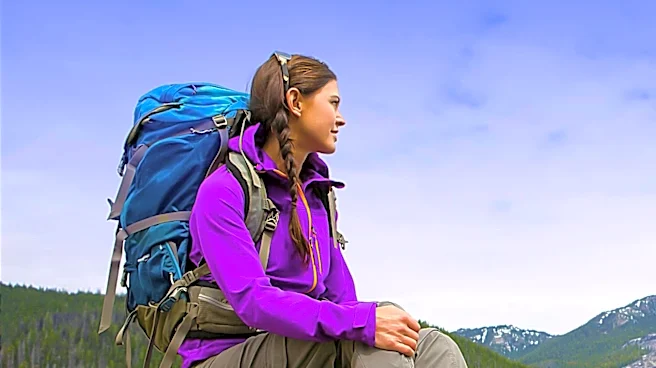
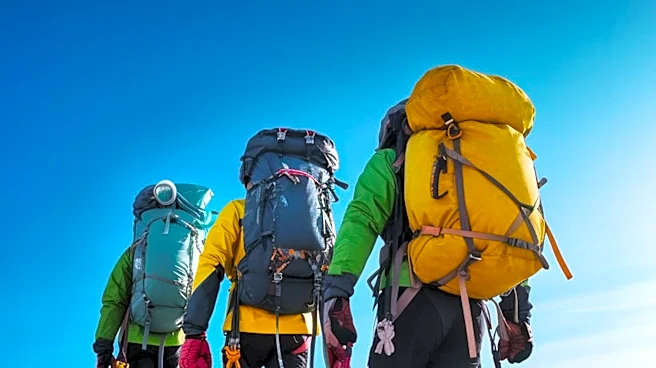
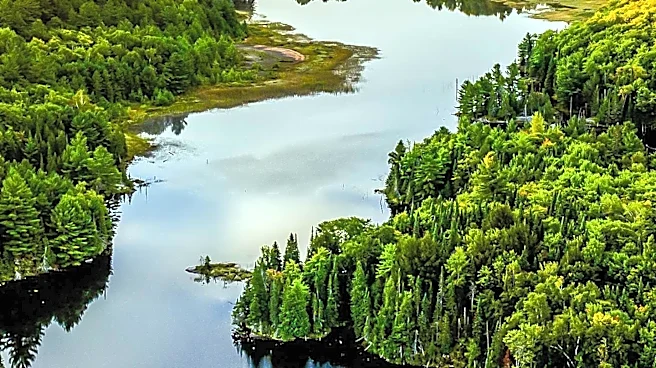
interest in 'soft adventure' trips that prioritize active participation over passive observation. This trend is characterized by several emerging themes. 'Coolcations' are drawing travelers to cooler climates and high-latitude destinations, such as Alaska for Northern Lights and glacier excursions, or alpine regions in the U.S. Mountain West. Slow travel is gaining traction through multi-modal itineraries that combine activities like cycling, hiking, and cruising. 'Sight-doing' is replacing conventional sightseeing with skills-based activities, including white-water rafting and technical mountain biking. Another trend, 'lore chasing,' involves travelers seeking deeper immersion in remote wilderness settings, such as exploring the Amazon rainforest. Finally, heritage ranch holidays are appealing to those seeking digital detoxes and authentic Western experiences, often combining horseback riding with stays on historic properties. This evolution in traveler expectations is prompting a reevaluation of risk assessment and emergency support within the industry.
Why It's Important?
This shift in adventure travel holds significant implications for the U.S. tourism and insurance industries. For tourism operators, it signals a need to develop more specialized and tailored offerings that cater to a desire for active engagement and unique skill-building opportunities. This could lead to increased investment in niche travel segments, such as guided outdoor sports, wilderness exploration, and cultural immersion programs. Businesses that can adapt to these evolving preferences, offering authentic and sustainable experiences, are likely to gain a competitive edge. For the insurance sector, the rise of skills-led and remote wilderness travel introduces new considerations for risk assessment and coverage. Activities like white-water rafting and technical mountain biking, or travel to remote environments with challenging weather, necessitate more comprehensive policies for injury, emergency assistance, and medical evacuation. This could lead to the development of new insurance products and services designed to meet the specific demands of these specialized adventure trips, potentially increasing costs for both providers and consumers but also opening new market opportunities for insurers.
What's Next?
In response to these evolving trends, the adventure travel industry is expected to continue developing more specialized and personalized itineraries. Travel providers will likely focus on creating unique experiences that combine physical activity, local culture, and sustainability, moving further away from mass tourism. This will involve a greater emphasis on small-group tours, private excursions, and bespoke travel planning. The insurance industry will need to innovate to keep pace with these changes, developing more flexible and comprehensive coverage options that address the specific risks associated with skills-led and remote adventure travel. This could include partnerships between travel operators and insurance providers to offer integrated packages. Furthermore, there may be an increased focus on traveler education regarding safety protocols and emergency preparedness for these more adventurous trips. The demand for digital detoxes and authentic experiences suggests a continued growth in niche markets that prioritize genuine connection with nature and local cultures, pushing operators to explore new, less conventional destinations and activities.
Beyond the Headlines
The growing preference for 'soft adventure' and skills-led travel reflects a broader societal shift towards experiential consumption and a desire for deeper, more meaningful engagement with the world. This trend goes beyond mere tourism, touching upon themes of personal growth, self-reliance, and a conscious effort to disconnect from digital life. The emphasis on sustainability and local culture in these trips also highlights an increasing ethical awareness among travelers, who are seeking to minimize their environmental footprint and contribute positively to the communities they visit. This could foster a more responsible and regenerative tourism model, encouraging destinations to preserve their natural and cultural heritage. The demand for 'lore chasing' and heritage ranch holidays, in particular, suggests a yearning for authenticity and a connection to historical narratives and traditional ways of life. This cultural dimension of adventure travel could lead to the revitalization of remote communities and the preservation of indigenous knowledge and practices, offering a more profound and transformative travel experience.