





What's Happening?
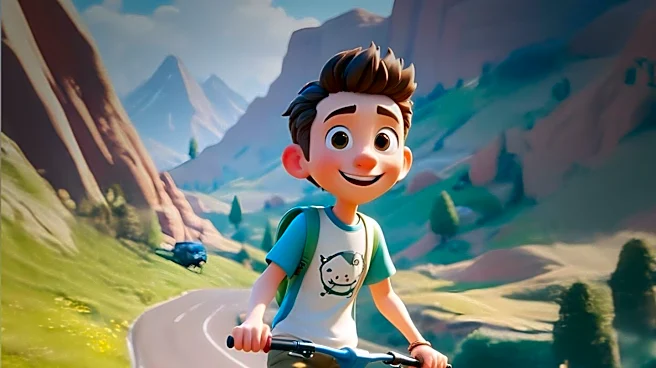
The Bethel Woods Center for the Arts is offering a P.L.A.Y. Animation Lab, a week-long summer arts program designed for young digital artists aged 10 to 12. This immersive program allows participants to explore the fundamentals of both 2D and 3D animation.
Students will utilize tools such as Stop Motion Studio and Adobe Animate within a dedicated computer lab to create their own short animated projects. The curriculum emphasizes hands-on experience, fostering creativity and technical skills in animation. Participants will work both independently and collaboratively, concluding the week with animated creations to share. The program is part of the broader P.L.A.Y. (Peace. Love. Arts. You.) initiative, which offers various summer arts activities for children aged 5-14 on the historic grounds of the 1969 Woodstock festival. The daily schedule balances tech-focused learning with breaks in nature and social time, aiming for a blend of creativity and outdoor enjoyment. Basic computer knowledge and an interest in learning new software are recommended for participants.
Why It's Important?
This program is important for fostering early engagement in digital arts and technology among young individuals in the U.S. By introducing 10-12 year olds to 2D and 3D animation software like Stop Motion Studio and Adobe Animate, it provides foundational skills that are increasingly relevant in today's digital economy. The emphasis on both independent and collaborative project work helps develop critical thinking, problem-solving, and teamwork abilities, which are valuable across various industries. Furthermore, offering such a program at the Bethel Woods Center for the Arts, a site with historical significance, integrates cultural context with modern technological education. This initiative can inspire a new generation of animators, designers, and tech innovators, potentially contributing to the future workforce in creative and technology sectors. It also addresses the growing demand for digital literacy and creative expression in an increasingly visual and interactive world, preparing students for potential careers or hobbies in fields like media, entertainment, and software development.
What's Next?
The P.L.A.Y. Animation Lab is a scheduled summer program, indicating that similar initiatives or advanced workshops may follow based on its success and demand. The Bethel Woods Center for the Arts will likely continue to offer and expand its P.L.A.Y. Labs, potentially introducing more specialized digital arts programs or extending age ranges. For participants, the immediate next step is to apply the skills learned to personal projects or further educational opportunities in animation and digital media. The program's success could also encourage other arts and educational institutions across the U.S. to develop similar curricula, broadening access to digital arts education for young people. Continued engagement with such programs could lead to the development of a stronger pipeline of talent for the animation and creative technology industries. The center may also seek feedback from participants and parents to refine future offerings and ensure they remain relevant and engaging.
Beyond the Headlines
The P.L.A.Y. Animation Lab represents a broader trend in education towards integrating STEM (Science, Technology, Engineering, and Mathematics) with arts, often referred to as STEAM. By providing early exposure to animation software and creative processes, the program helps demystify complex digital tools and encourages a playful approach to technology. This early engagement can counteract potential digital divides by making advanced software accessible to a younger demographic. Ethically, such programs promote responsible digital citizenship and creative expression, moving beyond passive consumption of digital content to active creation. Culturally, fostering animation skills can lead to diverse storytelling and representation, as young artists bring their unique perspectives to life through their creations. In the long term, this initiative could contribute to a more creatively literate society, where individuals are not only consumers but also producers of digital media, capable of critical engagement with visual information and innovative problem-solving.