






What's Happening?
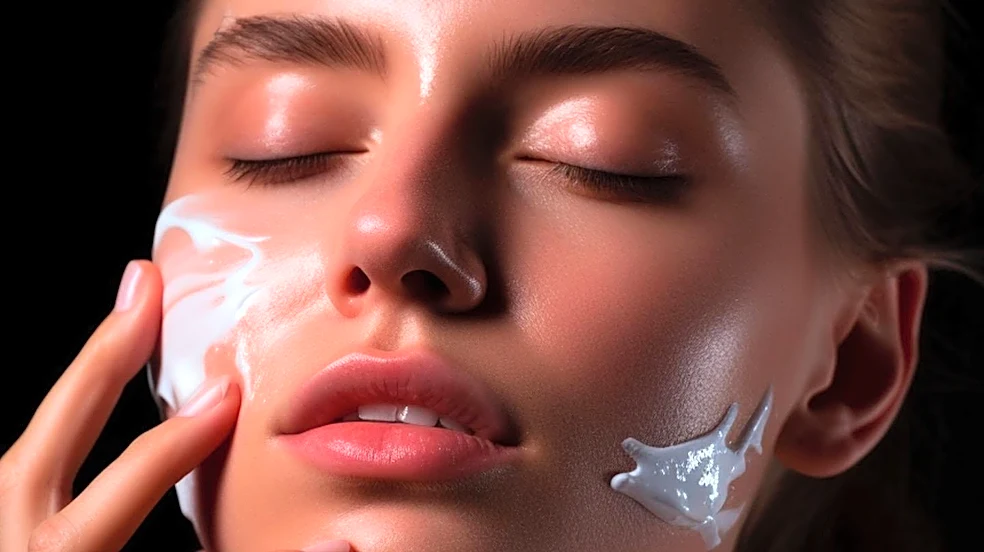
For individuals over 40, skincare needs evolve due to slowed cell turnover, decreased collagen production, and accumulated sun damage, leading to fine lines, uneven tone, and dryness. Effective skincare at this stage focuses on supporting healthy skin through
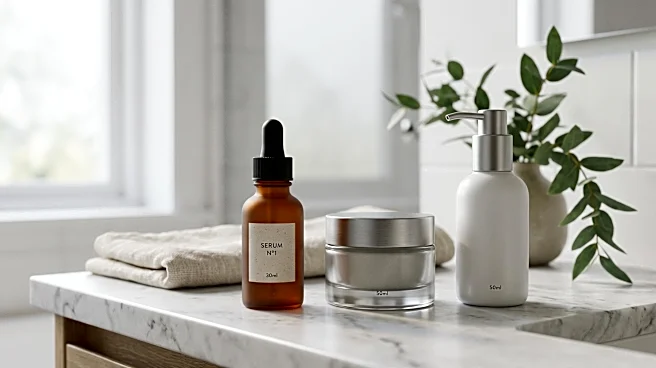
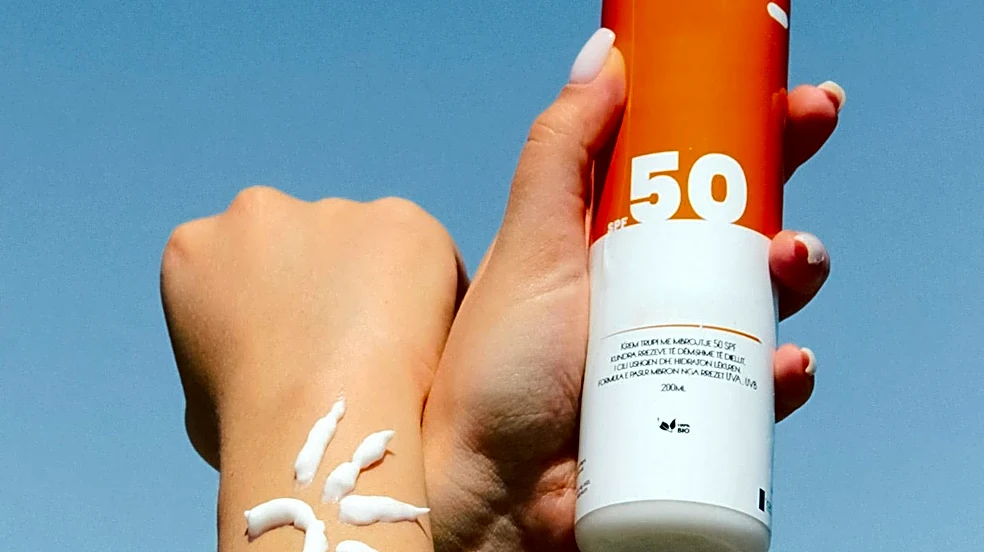
consistent routines tailored to individual concerns like discoloration, sensitivity, acne, or loss of firmness. Daily broad-spectrum sunscreen with SPF 30 or higher is considered non-negotiable, as UV exposure is a primary contributor to premature visible aging. Retinoids, including over-the-counter retinol and retinaldehyde, and prescription-strength tretinoin, are highlighted as gold standards for improving texture and lines by encouraging cell turnover and supporting collagen production. However, retinoids can cause irritation, necessitating a gradual introduction. Vitamin C is recommended for its antioxidant properties and ability to brighten skin and address sun-related spots. Peptides and growth factors are also noted for their role in supporting collagen formation and skin renewal, offering a gentler alternative or complement to retinoids, especially for sensitive skin. Hydration is crucial, with hyaluronic acid and ceramides helping to maintain skin moisture and support the skin barrier. Niacinamide, a form of vitamin B3, is praised for its versatility in supporting the moisture barrier, calming redness, and improving tone. Exfoliating acids like AHAs and BHAs can improve softness and radiance but should be used sparingly to avoid over-exfoliation.
Why It's Important?
The emphasis on specific skincare ingredients and practices for mature skin reflects a growing understanding of dermatological science and consumer demand for effective anti-aging solutions. This shift impacts the beauty and pharmaceutical industries, driving innovation in product development and marketing strategies. For consumers, particularly those over 40, access to information about ingredients like retinoids, peptides, and niacinamide empowers them to make informed choices, potentially leading to better skin health outcomes and increased confidence. The focus on sun protection underscores public health messaging regarding UV damage, influencing consumer behavior and the market for sunscreens. The recommendation for a gradual introduction of potent ingredients like retinoids highlights the importance of personalized skincare and professional guidance, which can benefit dermatologists and estheticians. The integration of peptides as a gentler alternative or complementary treatment to retinoids addresses concerns about skin sensitivity, broadening the market for anti-aging products to a wider demographic. This comprehensive approach to mature skincare not only aims to improve appearance but also supports overall skin health and resilience, potentially reducing the need for more invasive cosmetic procedures.
What's Next?
The skincare industry is likely to continue innovating with new formulations that combine these key ingredients, focusing on enhanced efficacy and reduced irritation. Research into novel peptides and growth factors will probably expand, leading to more targeted and potent anti-aging products. There may be a greater emphasis on personalized skincare routines, potentially leveraging AI or diagnostic tools to recommend specific products based on individual skin concerns and sensitivities. Educational initiatives from dermatologists and skincare brands will continue to guide consumers on the proper use and layering of active ingredients, particularly retinoids and exfoliating acids, to prevent adverse reactions. The market for 'clean' and 'gentle' skincare products is also expected to grow, catering to consumers seeking effective anti-aging solutions without harsh chemicals or irritants. Furthermore, the integration of topical treatments with in-office procedures like microneedling, chemical peels, and laser therapy will likely become more seamless, offering comprehensive solutions for deeper sun damage, texture changes, and volume loss. This holistic approach will continue to shape consumer expectations and industry offerings in the mature skincare segment.
Beyond the Headlines
The evolving landscape of mature skincare reflects broader societal trends concerning aging and self-care. There's a cultural shift towards embracing healthy aging rather than solely focusing on anti-aging, with an emphasis on maintaining skin vitality and resilience. This perspective encourages a more sustainable and less aggressive approach to skincare, prioritizing long-term skin health over immediate, drastic changes. The widespread availability of potent ingredients like retinoids and peptides, once primarily confined to professional settings, democratizes access to advanced skincare, but also necessitates greater consumer education to prevent misuse and potential skin damage. The ethical implications of marketing anti-aging products are also at play, with a growing call for transparency and realistic expectations rather than promoting unattainable ideals. Furthermore, the environmental impact of the beauty industry, from ingredient sourcing to packaging, is becoming a more prominent concern, influencing product development towards sustainable and ethically produced options. This comprehensive view of skincare extends beyond superficial concerns, touching upon personal well-being, informed consumerism, and responsible industry practices.