





What's Happening?
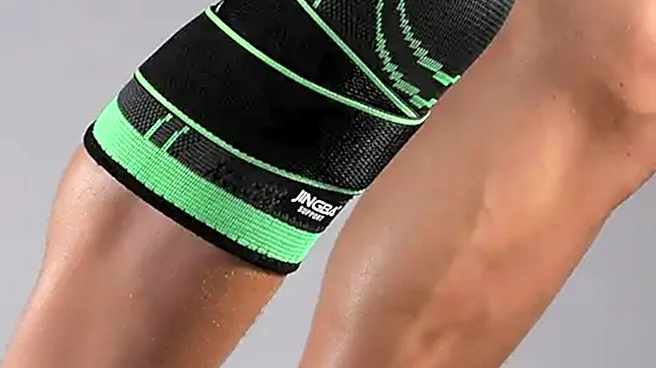
The effectiveness and lifespan of compression garments, including shirts, socks, and other specialized wear, heavily depend on proper care and maintenance. These garments, often made from stretchy polyester, nylon, and spandex knits, are designed to provide
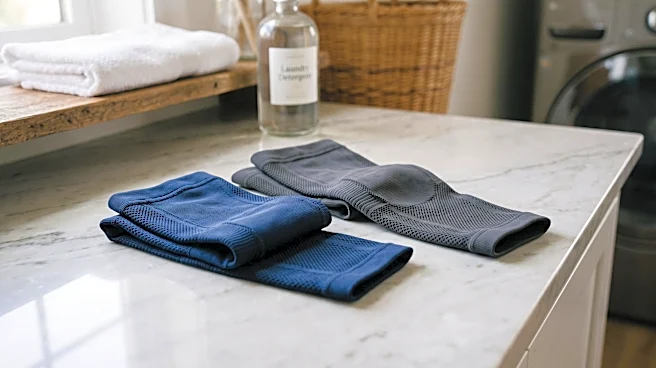
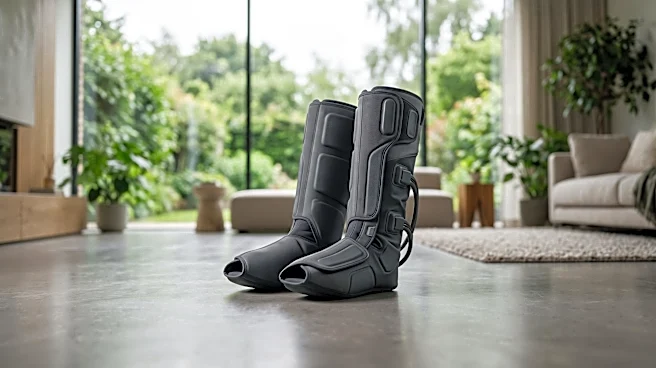
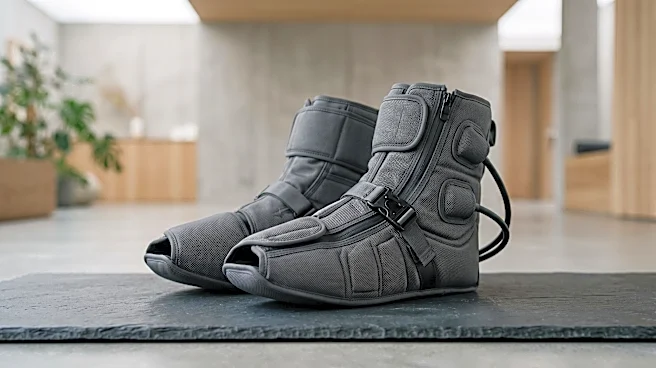
consistent pressure to support muscles, reduce chafing, and wick away sweat. Unlike regular clothing, compression wear requires specific washing and drying techniques to preserve its elastic fibers and overall fit. Manufacturers' instructions are paramount, as different materials—such as foam-based components, padded wraps, or fabric sleeves—have varying requirements for water temperature, detergent type, and drying methods. Incorrect care, such as using hot water, harsh detergents, fabric softeners, or machine drying at high heat, can damage the elastic properties, alter the fit, and shorten the garment's functional life. Regular cleaning is crucial to remove sweat, skin oils, and dirt, which can accumulate and degrade the fabric over time, while also helping the garment return to its original shape.
Why It's Important?
The proper care of compression garments is critical for consumers who rely on these items for athletic performance, medical support, or everyday comfort. For athletes, maintaining the garment's compression properties ensures continued muscle support, reduced fatigue, and improved recovery, directly impacting their training and competition. In a medical context, such as for individuals managing lymphedema or venous insufficiency, the precise compression level is vital for therapeutic efficacy; any degradation due to improper care could compromise health outcomes. For the broader market, understanding proper care extends the product's lifespan, offering better value for money and reducing the need for frequent replacements. This also has implications for manufacturers, as product durability and customer satisfaction are linked to how well consumers are informed about care instructions. The integrity of these specialized fabrics is key to their function, making adherence to care guidelines a significant factor in both user benefit and product reputation.
What's Next?
As the market for compression wear continues to grow across sports, medical, and lifestyle sectors, there will likely be an increased emphasis on consumer education regarding garment care. Manufacturers may invest more in clearer, more detailed care labels and online resources to guide users. Retailers might also play a larger role in providing care tips at the point of sale. Innovations in fabric technology could lead to more resilient materials that are less susceptible to damage from common washing mistakes, or to garments with integrated care indicators. Furthermore, the development of specialized detergents or washing accessories designed specifically for elastic performance fabrics could emerge, offering consumers tailored solutions to maintain their compression wear. The industry may also see a trend towards more sustainable care practices, encouraging methods that extend garment life and reduce environmental impact.
Beyond the Headlines
The meticulous care required for compression garments highlights a broader consumer trend towards specialized product maintenance. In an era of advanced materials and performance-driven apparel, the 'wash and wear' simplicity of traditional clothing is evolving. This shift underscores the importance of consumer literacy regarding product specifications and the impact of daily habits on product longevity and performance. Ethically, manufacturers have a responsibility to provide clear, accessible care instructions to ensure consumers can maximize the utility and safety of their products, especially in medical applications where garment integrity directly affects health. Legally, ambiguous or misleading care instructions could lead to consumer dissatisfaction or product failure claims. Culturally, there's a growing appreciation for the science behind textiles and the value of preserving high-performance gear, moving beyond a disposable mindset towards more mindful consumption and maintenance practices.