







What's Happening?
Tim Kennedy, President and CEO of Canadian Seafood Farmers, has announced new industry data indicating a significant shift in salmon feed composition. According to the early release of data, 80% of salmon feed in Canada is now derived from non-fish sources.
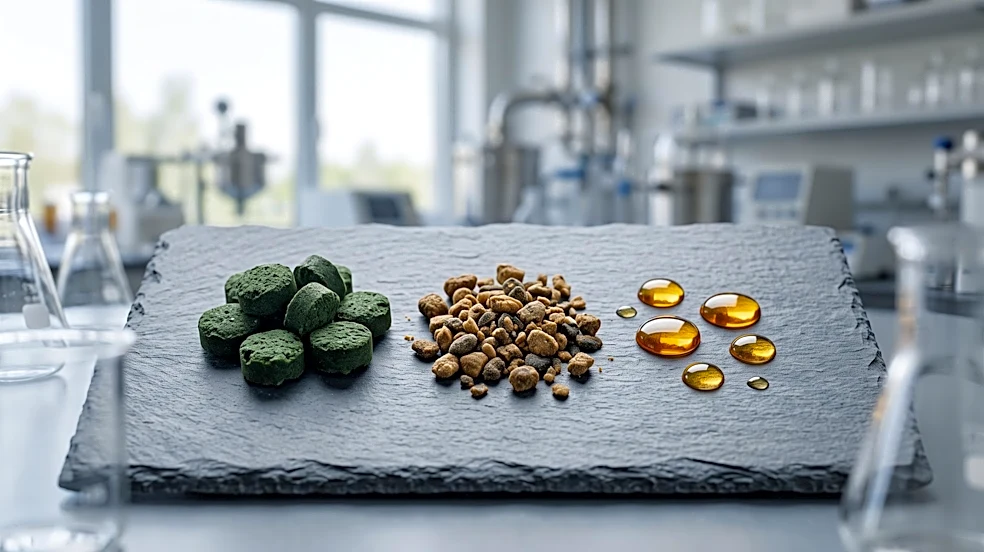
Furthermore, 95% of the fish products still used in feed come from certified sustainably managed fisheries. This marks a substantial change from earlier years when 100% of salmon feed in Canada was composed of fish and fish products. The Canadian Seafood Farmers organization attributes this progress to ongoing efforts by farmers to diversify feed ingredients and enhance sustainability practices. Kennedy highlighted that new innovations in feed, such as omega-3 rich algae oils, single-cell protein fermentation, and insect proteins, are currently under development and testing by Canadian fish feed producers. The complete data set related to sustainable salmon production in Canada is expected to be released in November.
Why It's Important?
This development is important for the U.S. and global seafood industry as it signifies a major step towards more sustainable aquaculture practices. The reduction in reliance on marine-derived ingredients for salmon feed addresses concerns about overfishing and the ecological impact of sourcing feed from wild fish populations. For U.S. consumers, this could mean a more environmentally friendly salmon product, potentially influencing purchasing decisions and market demand for sustainably farmed seafood. The shift also creates new economic opportunities for Canadian farmers, as Canadian salmon farmers reportedly purchase over $250 million in grains, seeds, oils, and other proteins from them. This could lead to increased trade and collaboration in agricultural and aquaculture sectors between the U.S. and Canada. The emphasis on innovation in feed ingredients, such as algae and insect proteins, could also spur research and development in alternative protein sources, impacting agricultural technology and food science industries.
What's Next?
The full release of the sustainable salmon production data in November will provide a more comprehensive understanding of the industry's progress and future direction. This data could influence policy decisions regarding aquaculture sustainability and trade agreements between the U.S. and Canada. Continued innovation in feed ingredients, including the development and testing of omega-3 rich algae oils, single-cell protein fermentation, and insect proteins, is expected. These advancements could lead to further reductions in marine ingredient reliance and potentially lower the environmental footprint of salmon farming. Stakeholders, including environmental organizations, consumers, and other seafood producers, will likely scrutinize the complete data to assess the true impact and sustainability claims. The Canadian Seafood Farmers' commitment to 100% sustainable sourcing and continuous improvement suggests ongoing efforts to enhance their practices, which may set new benchmarks for the global aquaculture industry.
Beyond the Headlines
The move towards non-marine feed sources for salmon farming has broader implications beyond environmental sustainability. It highlights a growing trend in the food industry to decouple food production from direct reliance on wild resources, addressing issues of food security and resource scarcity. Ethically, it responds to concerns about the welfare of wild fish populations and the overall health of marine ecosystems. Culturally, it could shift consumer perceptions of farmed fish, potentially increasing acceptance and demand for aquaculture products that are demonstrably sustainable. This innovation also underscores the potential for biotechnology and agricultural science to solve complex environmental and economic challenges. The long-term success of these alternative feed sources could pave the way for similar transformations in other animal agriculture sectors, fostering a more resilient and sustainable global food system.