



What's Happening?
Post-menopausal women are strongly encouraged to adopt a comprehensive exercise regimen focusing on strength training, weight-bearing cardio, balance and flexibility exercises, and high-intensity interval training (HIIT). This recommendation stems from
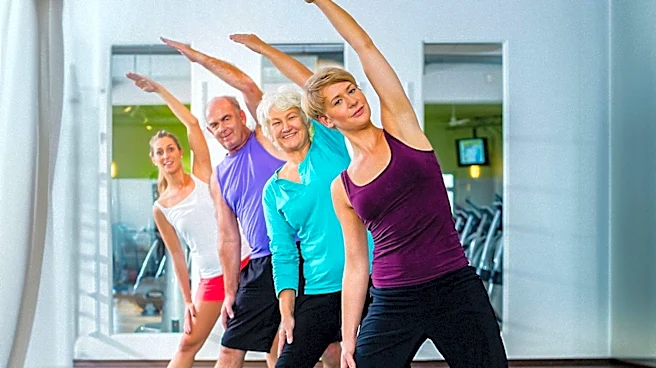
the understanding that menopause brings significant physiological changes, including decreased estrogen levels, which contribute to muscle and bone loss, metabolic shifts, and increased cardiovascular risk. Strength training is highlighted as a cornerstone, crucial for preserving muscle mass, supporting bone density, and positively impacting metabolic health. Weight-bearing cardio, such as brisk walking and hiking, is vital for cardiovascular health and maintaining bone strength. Balance and flexibility exercises like yoga, Tai Chi, and Pilates are recommended to improve stability and prevent falls. HIIT, involving short bursts of intense activity followed by rest, is also suggested. A well-rounded approach extends beyond physical activity to include a Mediterranean-style diet, mental health support, and regular screening for cardiovascular health and bone density.
Why It's Important?
This guidance is particularly important for U.S. women entering or experiencing menopause, as it directly addresses critical health challenges associated with this life stage. The emphasis on strength training and weight-bearing exercises can significantly mitigate the risk of osteoporosis and fractures, which are prevalent among post-menopausal women and can lead to substantial healthcare costs and reduced quality of life. By promoting cardiovascular health through weight-bearing cardio and HIIT, the recommendations aim to lower the incidence of heart disease, a leading cause of mortality in women. Furthermore, addressing metabolic changes through exercise can help manage weight gain and reduce the risk of insulin resistance and type 2 diabetes. The holistic approach, including diet and mental health, underscores the interconnectedness of physical and emotional well-being, potentially reducing the burden on the healthcare system and improving overall public health outcomes for an aging female population.
What's Next?
Healthcare providers and fitness professionals are expected to increasingly integrate these recommendations into their guidance for post-menopausal women. There may be a growing demand for specialized fitness programs and trainers who understand the unique needs of this demographic, particularly concerning safe and effective strength training techniques. Educational campaigns could be launched to raise awareness among women about the importance of these specific exercise types and the benefits of a holistic health approach during menopause. Research into the long-term impacts of these routines on bone density, cardiovascular health, and metabolic markers will likely continue, potentially refining current recommendations. The integration of GLP-1 drugs for weight loss, while beneficial, will also need to be carefully managed alongside strength training to prevent lean muscle mass loss, suggesting a need for coordinated care between medical and fitness professionals.
Beyond the Headlines
The focus on specific exercise routines for post-menopausal women reflects a broader societal shift towards personalized health and preventative care, particularly as the U.S. population ages. This approach moves beyond generic fitness advice to address the physiological realities of aging, empowering women to take proactive steps in managing their health. It also highlights the evolving understanding of women's health beyond reproductive years, recognizing the significant impact of hormonal changes on overall well-being. Ethically, it underscores the importance of accessible and tailored health information and resources for all age groups. Culturally, it challenges traditional narratives around aging, promoting an active and engaged lifestyle rather than a passive acceptance of age-related decline. This emphasis on strength and resilience can foster a more positive perception of menopause and aging in general, encouraging women to maintain vitality and independence throughout their lives.