






What's Happening?
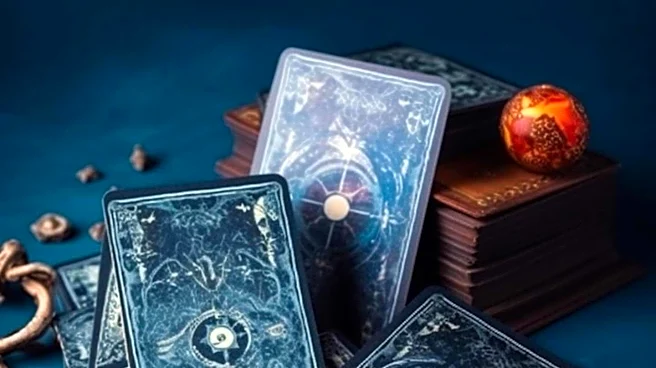
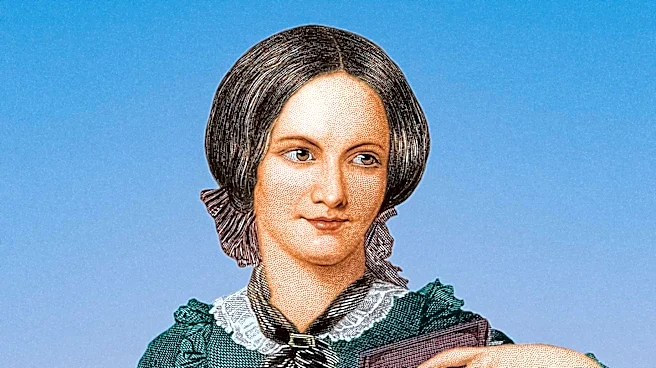
Sylvia Plath, the renowned poet, is known to have used tarot cards as a source of inspiration in her writing. She was gifted the Tarot de Marseille deck by her husband, Ted Hughes, and also used the Rider-Waite deck. Plath's poetry often reflects themes
and imagery from tarot, such as in her poem 'The Hanging Man,' which draws on the symbolism of The Hanged Man card. This card represents feeling stuck or suspended, a theme that resonates with Plath's exploration of societal expectations and personal identity. Her work 'Morning Song' is linked to The Fool card, symbolizing new beginnings and the uncertainties of motherhood. Plath's engagement with tarot is seen as a way to navigate her complex emotions and critique societal norms.
Why It's Important?
Plath's use of tarot in her poetry offers a unique lens through which to understand her work and the broader cultural context of her time. Tarot, as a tool for introspection and exploration, allowed Plath to articulate her struggles with identity, creativity, and societal roles. Her integration of tarot imagery highlights the intersection of literature and metaphysical practices, providing insight into her creative process. This exploration of tarot in Plath's work underscores the enduring relevance of her poetry and its ability to resonate with contemporary audiences. It also reflects broader themes of feminism and the challenges faced by women in the 1960s, making her work a valuable subject of study for literary scholars and enthusiasts.
Beyond the Headlines
The use of tarot in Plath's poetry invites readers to consider the broader implications of metaphysical practices in literature. It raises questions about the role of symbolism and personal belief systems in artistic expression. Plath's engagement with tarot can be seen as a form of resistance against traditional gender roles and societal expectations, offering a critique of the limitations placed on women. This aspect of her work continues to inspire discussions about the intersection of art, spirituality, and social commentary. Plath's legacy as a poet who challenged norms and explored complex themes through innovative means remains influential in literary circles.