






What's Happening?
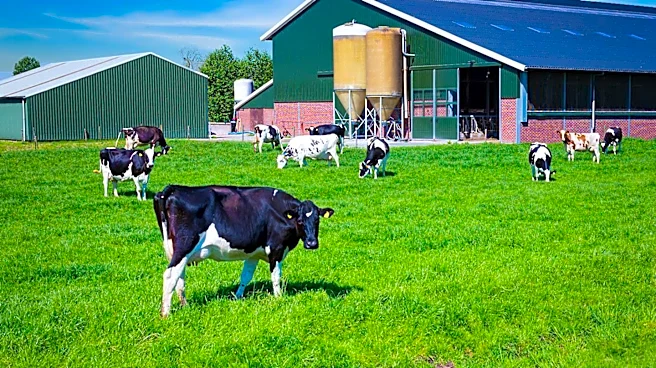
U.S. milk production saw a 2.4% increase in August compared to the previous year, reaching 20.039 billion pounds. This rise in output was accompanied by a significant expansion of the milking herd, which grew by 174,000 head to 9.717 million cows, while
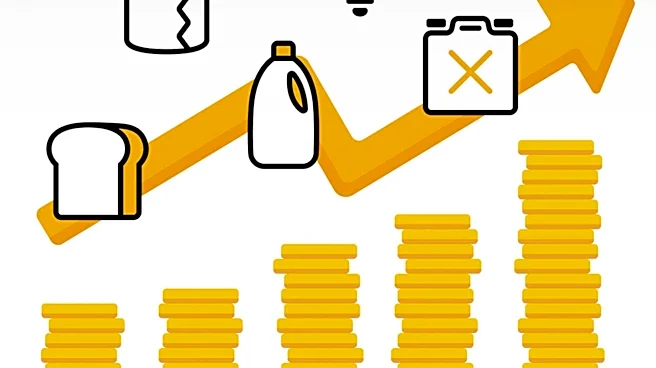
milk per cow increased by 0.6%. However, this stronger production occurred as dairy producer margins weakened. The Dairy Margin Coverage margin fell to $9.34 per hundredweight from $9.93 in July. The All-Milk price declined by 50 cents to $19.80, while estimated feed costs rose to $10.46. Producers continue to face elevated expenses for corn, soybean meal, alfalfa, fuel, electricity, labor, and borrowing, further squeezing profitability.
Why It's Important?
The current situation of increased milk output coupled with declining margins poses a significant challenge for U.S. dairy farmers. While higher production might seem beneficial, the simultaneous rise in operating costs and a drop in milk prices reduce profitability, potentially leading to financial strain for many producers. This trend could force some smaller or less efficient dairy farms out of business, contributing to further consolidation within the industry. For consumers, these dynamics could eventually lead to price fluctuations in dairy products, although the immediate impact is on the producers. The situation also highlights the vulnerability of the agricultural sector to input cost volatility and market price swings, underscoring the need for effective risk management strategies and potential government support programs to stabilize the dairy industry.
What's Next?
The National Milk Producers Federation Dairy Market Report anticipates that moderating feed costs and stronger milk prices could improve margins in November and December. However, elevated fuel and hauling expenses are expected to remain a concern, continuing to pressure producers. Dairy farmers will likely continue to seek efficiencies in their operations and closely monitor market conditions for feed and milk prices. Policymakers may face calls for additional support or adjustments to existing dairy programs to help producers navigate these challenging economic conditions. The long-term outlook for the dairy industry will depend on the balance between supply and demand, global market dynamics, and the ability of producers to manage escalating operational costs.
Beyond the Headlines
The pressure on dairy producer margins reflects broader economic trends affecting the agricultural sector, including inflation in energy and labor costs, and the complex interplay of supply and demand in global commodity markets. The increase in herd size despite weakening margins suggests that producers may be attempting to offset lower per-unit profitability with higher volume, a strategy that can exacerbate oversupply issues if demand does not keep pace. This situation also brings to light the environmental implications of increased dairy production, such as potential impacts on water usage and greenhouse gas emissions, which could become more scrutinized as the industry seeks sustainability. The resilience of the U.S. dairy industry will depend on its ability to adapt to these economic and environmental pressures, potentially through technological advancements, diversification, or new market opportunities.