







What's Happening?
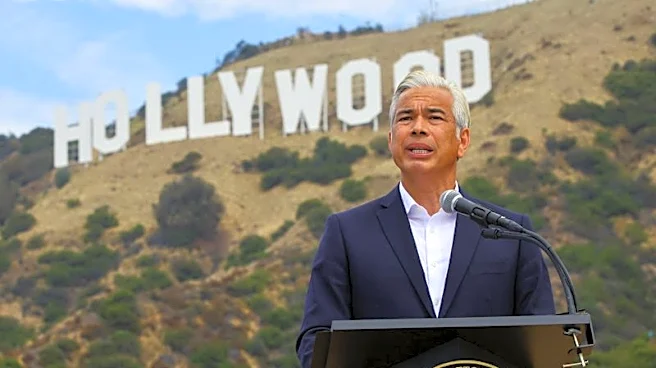
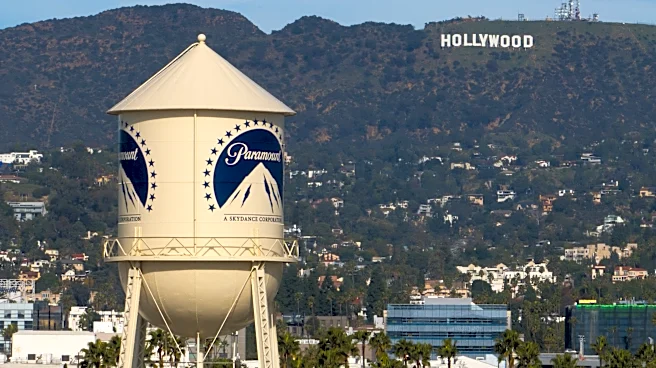
The proposed $110 billion merger between Paramount and Warner Bros. Discovery is facing significant legal challenges as attorneys general from 12 U.S. states, led by California, have filed an antitrust lawsuit to block the deal. The lawsuit argues that
the merger would harm competition in the film and cable industries, potentially leading to higher prices and fewer choices for consumers. Paramount has countered these claims, stating that the merger would enhance competition against dominant streaming platforms like Netflix. The legal battle is set to intensify with a federal judge expected to rule on a temporary restraining order soon.
Why It's Important?
The outcome of this legal challenge could have far-reaching implications for the media and entertainment industry. If successful, the lawsuit could prevent the consolidation of two major media entities, preserving competition in the market. This case also highlights the ongoing tension between state and federal regulatory approaches to antitrust enforcement. For consumers, the merger's potential impact on pricing and content availability is significant, as it could reshape the landscape of streaming services and theatrical releases. The case also underscores the strategic importance of mergers and acquisitions in the media industry as companies seek to expand their content libraries and market reach.
What's Next?
The legal proceedings will continue to unfold, with a federal judge's decision on the temporary restraining order being a critical next step. Depending on the outcome, Paramount may need to make concessions, such as divesting certain assets, to satisfy regulatory concerns. The merger's progress will be closely watched by industry stakeholders, including competitors and investors, as it could set a precedent for future media consolidations. Additionally, the legal battle may prompt further scrutiny of other major mergers and acquisitions in the industry, influencing regulatory policies and corporate strategies.