






What's Happening?
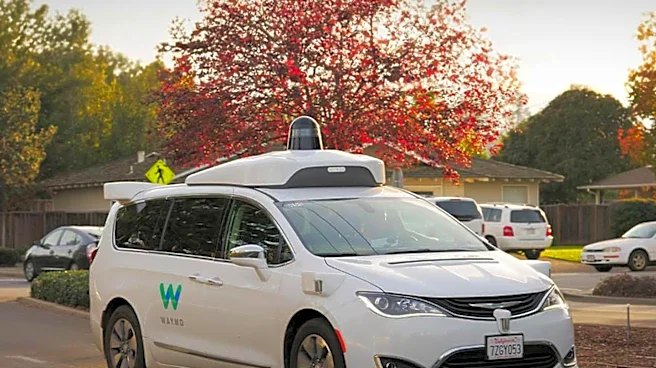
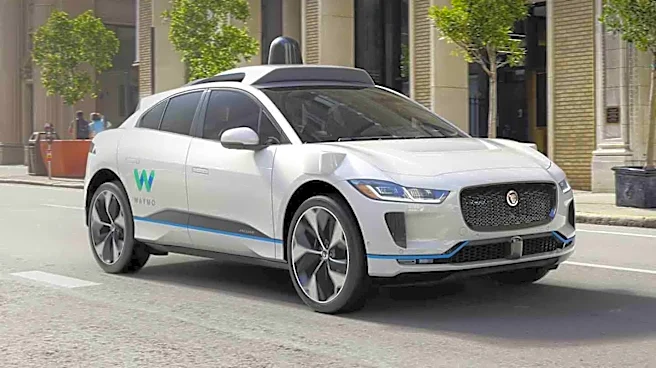
Waymo, an autonomous driving technology company and a subsidiary of Alphabet Inc., is actively recruiting a Senior Systems Engineer specializing in Vehicle Security. This role is crucial for developing and implementing comprehensive vehicle system security
requirements, aligning with the company's high-level vehicle platform security strategy. The engineer will work with Original Equipment Manufacturers (OEMs) and other Systems Engineers to define and implement vehicle network and module security architectures. Key responsibilities include managing requirements for platform features based on security concepts like Digital Key and Software Over-The-Air (SOTA) updates, and creating detailed security requirements for Waymo software interfaces to ensure secure communication within the vehicle platform. The company, which originated as the Google Self-Driving Car Project in 2009, aims to enhance mobility access and reduce traffic fatalities through its 'Waymo Driver' technology. Waymo has already facilitated over ten million rider-only trips and accumulated over 100 million miles of autonomous driving on public roads across more than 15 U.S. states.
Why It's Important?
This recruitment highlights Waymo's commitment to bolstering the security of its autonomous vehicle technology, a critical factor for public trust and widespread adoption of self-driving cars. As autonomous vehicles become more integrated into daily life, robust cybersecurity measures are essential to prevent unauthorized access, data breaches, and potential manipulation that could compromise passenger safety or operational integrity. The focus on vehicle network and module security, along with features like Digital Key and SOTA, indicates a proactive approach to protecting against evolving cyber threats. This move is significant for the broader autonomous vehicle industry, setting a precedent for the level of security required to operate such advanced systems. Enhanced security can mitigate risks that could lead to regulatory setbacks, consumer apprehension, and financial losses, thereby accelerating the commercialization and societal acceptance of autonomous mobility solutions in the U.S.
What's Next?
The successful integration of a Senior Systems Engineer for Vehicle Security will likely lead to the development and deployment of more advanced security protocols within Waymo's autonomous fleet. This will involve defining and managing new security requirements, implementing secure communication architectures, and conducting rigorous Verification and Validation (V&V) plans. The role also emphasizes troubleshooting issues related to platform security across various vehicle prototypes and phases, suggesting continuous improvement and adaptation to new threats. Furthermore, the use of AI tools to expedite engineering deliverables, while maintaining safety rigor, indicates a future where AI plays a significant role in enhancing the security development lifecycle. This strategic hire is expected to strengthen Waymo's position as a leader in autonomous driving by ensuring the highest levels of trust and safety for its services, potentially influencing industry standards for vehicle cybersecurity.
Beyond the Headlines
The emphasis on vehicle security within Waymo's operations extends beyond mere technical implementation; it touches upon critical ethical and legal dimensions. The integrity of autonomous systems is paramount, as any security vulnerability could have severe real-world consequences, including accidents or privacy breaches. By investing heavily in cybersecurity, Waymo is addressing the public's concerns about the reliability and trustworthiness of AI-driven vehicles. This proactive stance could influence regulatory bodies to establish more stringent cybersecurity standards for autonomous vehicles, potentially shaping future legislation. Moreover, the integration of AI tools in the security development process raises questions about the balance between automation efficiency and human oversight in ensuring safety-critical systems. This development signifies a long-term shift towards a more secure and resilient autonomous transportation ecosystem, where cybersecurity is not an afterthought but a foundational element of design and operation.