







What's Happening?
A new study has delved into forest recreation patterns across Europe, emphasizing the significant role forests play in promoting wellbeing, beauty, connection with nature, and a sense of place for society. The research moves beyond traditional ecological
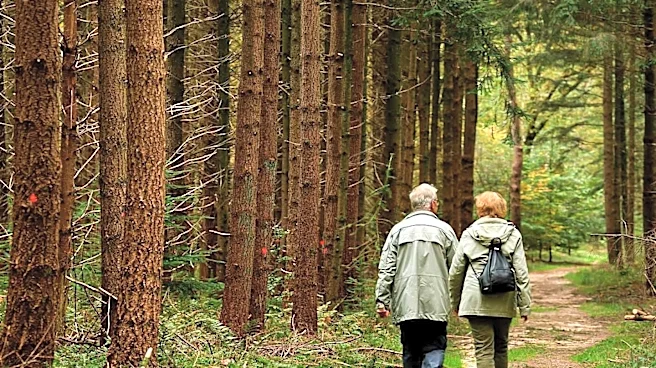
assessments to understand how people actually use forests, what motivates their visits, and what characteristics make a forest attractive for recreation. Findings indicate that nearly half of European adults visit forests for recreation at least once a week, with frequent visits being particularly common in Central Europe. Common activities include walking dogs, physical exercise, enjoying the forest climate, and appreciating aesthetic beauty. The study also highlights that cleanliness, unpaved paths, proximity to cities, and the natural appearance of older, less intensively managed forests are key factors influencing visitor choice.
Why It's Important?
This study is important because it underscores the multifaceted value of forests beyond their economic utility, focusing on their critical contribution to human wellbeing and cultural ecosystem services. By identifying specific preferences and patterns of forest use, policymakers and land managers can make more informed decisions regarding forest conservation, urban planning, and the development of recreational infrastructure. Understanding what draws people to forests—such as cleanliness and naturalness—can guide sustainable management practices that balance ecological health with human needs. This research also highlights the increasing demand for these services at a time when ecosystems are under pressure, making it crucial to integrate these less tangible values into forest management and policy to ensure continued access to nature's benefits for public health and quality of life.
What's Next?
The findings of this study are expected to inform future forest management strategies and urban planning initiatives across Europe. Researchers suggest that future work could further combine ecological and socio-cultural perspectives to gain a more comprehensive understanding of human-forest interactions. This could lead to the development of new metrics for assessing the cultural value of forests, influencing policy decisions related to protected areas, green infrastructure development, and public access. Stakeholders, including environmental organizations, urban planners, and public health officials, may use this data to advocate for increased investment in forest preservation and the creation of accessible green spaces. The study also sets a precedent for similar research in other regions, potentially leading to a global understanding of forest recreation patterns and their societal benefits.
Beyond the Headlines
Beyond the practical implications for forest management, this study touches upon deeper societal trends and ethical considerations. The emphasis on wellbeing and connection with nature reflects a growing recognition of the importance of natural environments for mental health in an increasingly urbanized world. The preference for 'natural' and 'older' forests suggests a cultural value placed on wilderness and untouched landscapes, raising questions about the balance between human intervention and ecological preservation. Ethically, ensuring equitable access to these beneficial natural spaces for all citizens, regardless of socioeconomic status, becomes a critical consideration for urban planners and policymakers. This research also subtly highlights the intrinsic value of nature, moving beyond anthropocentric views to appreciate forests as complex ecosystems that offer profound, often unquantifiable, benefits to human existence.