








What's Happening?
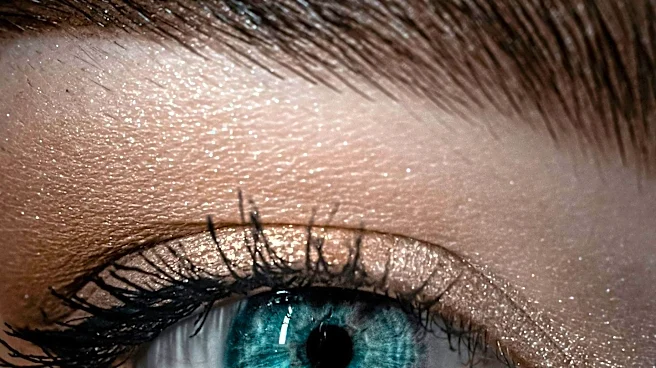
In Paris, a new cosmetic procedure is gaining attention as patients seek to change their eye color from brown to shades like 'Riviera blue' or 'pistachio' green. This procedure, developed by ophthalmologist Francis Ferrari, involves injecting pigment
into the cornea using a technique called femtosecond laser-assisted annular keratopigmentation (FLAAK). The process involves creating a circular tunnel in the cornea with a laser and then applying a mineral-based dye to alter the appearance of the eye color. Ferrari clarifies that the procedure does not change the iris color but rather covers it, similar to wearing a contact lens. Recovery from the procedure is quick, taking only about a day, and it has attracted over 2,500 patients, many of whom were recruited through social media platforms like Instagram.
Why It's Important?
The growing popularity of this eye color change procedure highlights a broader trend in cosmetic enhancements and the lengths individuals are willing to go for aesthetic changes. While the procedure offers a quick recovery and a novel way to alter appearance, it raises significant safety and ethical concerns. The long-term effects of injecting pigment into the cornea are not fully understood, and there is potential for complications that could affect vision. This development underscores the need for regulatory oversight in cosmetic procedures and raises questions about the influence of social media in promoting medical treatments. The procedure's popularity also reflects societal pressures regarding beauty standards and the increasing demand for personalized cosmetic options.
What's Next?
As the procedure gains traction, it is likely to attract scrutiny from medical professionals and regulatory bodies concerned with patient safety and ethical practices. Ophthalmologists and health authorities may call for more comprehensive studies to assess the long-term safety and efficacy of the procedure. Additionally, there could be discussions around the need for stricter regulations and guidelines for cosmetic procedures involving the eyes. The role of social media in promoting such medical treatments may also come under examination, potentially leading to calls for more responsible advertising practices. Patients considering the procedure may seek more information and assurances regarding safety and potential risks.