







What's Happening?
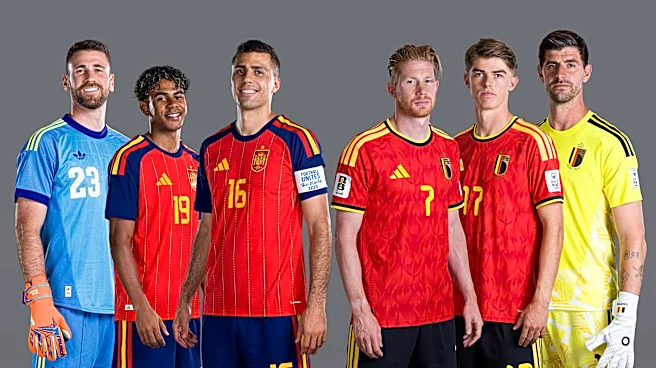
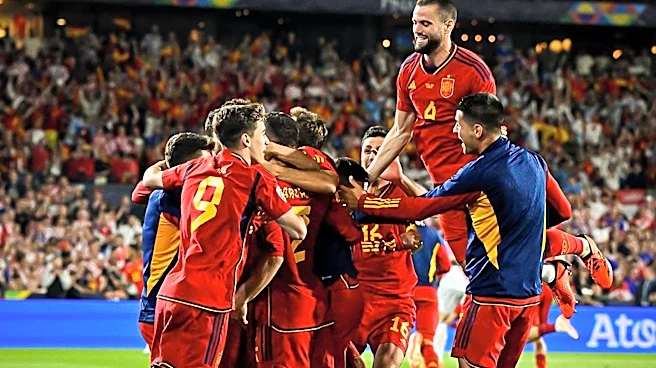
Los Angeles recently concluded its role as a host city for the 2026 World Cup, having hosted eight matches. The city showcased its vibrant soccer culture and state-of-the-art stadium, although it did not host any matches beyond the quarterfinals. The final match in Los Angeles saw
Belgium face Spain, with Spain advancing to the semifinals. Despite the city's early exit from hosting duties, the matches were marked by enthusiastic crowds and memorable moments, such as the United States' opening victory over Paraguay. The event highlighted Los Angeles' capability to host major international sporting events, though some felt the city deserved more matches given its infrastructure and fan engagement.
Why It's Important?
Hosting World Cup matches is a significant opportunity for any city, bringing global attention and economic benefits. For Los Angeles, the event reinforced its status as a major sports hub capable of handling large-scale international events. The city's successful hosting could influence future bids for other major events, such as the Olympics. Additionally, the World Cup's presence in Los Angeles helped boost local businesses and tourism, providing a temporary economic uplift. The event also fostered a sense of community and international camaraderie among fans, showcasing the unifying power of sports.
What's Next?
As the World Cup continues in other U.S. cities, Los Angeles will reflect on its hosting experience and prepare for future opportunities. The city is set to host events for the 2028 Olympics, and lessons learned from the World Cup will be invaluable in planning and execution. Additionally, the success of the World Cup could encourage further investment in sports infrastructure and community engagement initiatives. Los Angeles will likely continue to position itself as a prime location for international sports events, leveraging its diverse population and world-class facilities.