

What's Happening?
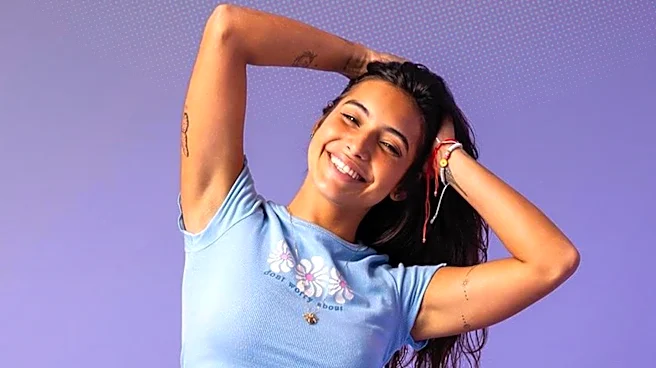
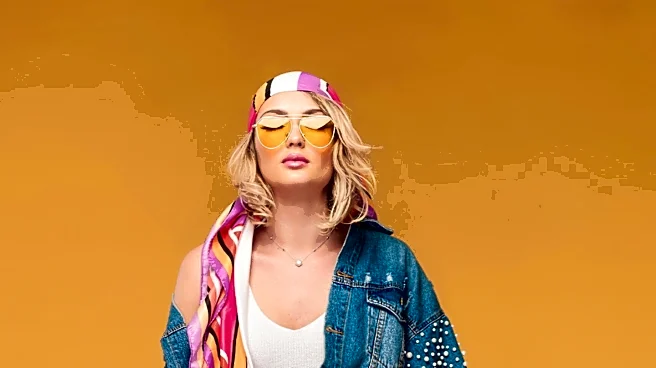
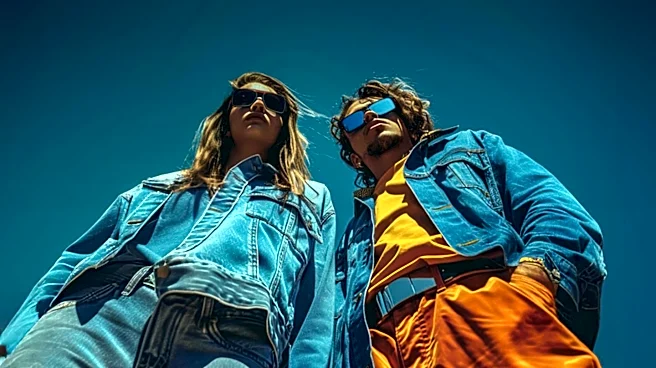
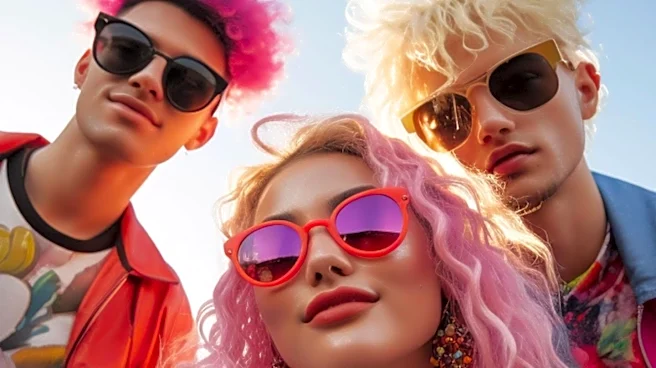
Generation Z's fashion choices are significantly influenced by socio-cultural and economic factors, leading to a distinct set of trends. Key styles include Y2K nostalgia, modern streetwear, and 'soft girl' aesthetics. This generation prioritizes originality
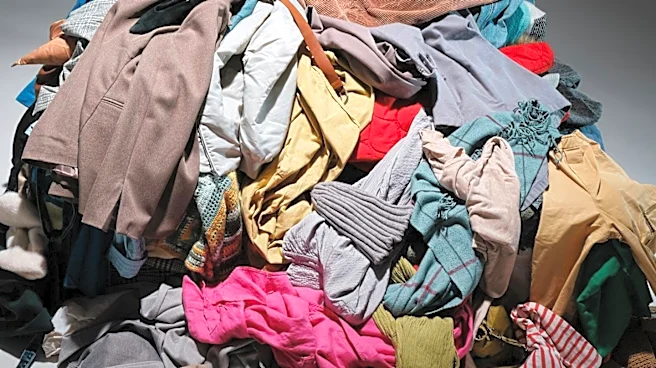
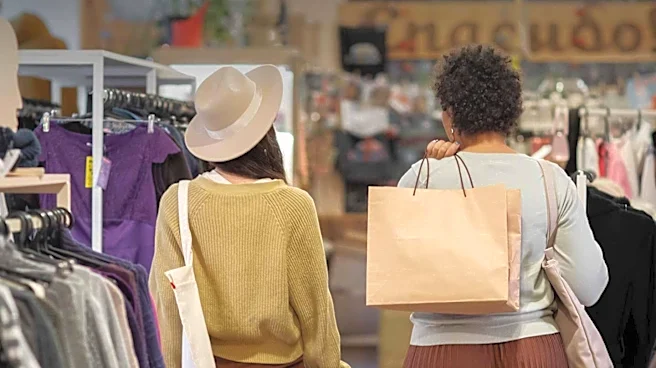
and self-expression over traditional formal wear. A notable aspect of their fashion consumption is a preference for secondhand items, driven by a desire for sustainability and individual flair. The resurgence of Y2K fashion, particularly styles like crop tops and low-rise jeans, is partly fueled by the popularity of K-Pop idols who adopt these looks. Beyond clothing, there's a growing trend of using old digital cameras (digicams) from the early 2000s, valued for their nostalgic, yellowish-toned, and blurry photographic aesthetic. This trend, initially popular among women, is now embraced by both genders within Gen Z, with digicams being widely available in vintage shops at affordable prices.
Why It's Important?
The fashion trends adopted by Generation Z hold significant implications for the retail and fashion industries in the U.S. Their emphasis on sustainability, reflected in the preference for secondhand clothing, challenges traditional fast fashion models and encourages brands to adopt more ethical and environmentally conscious practices. The revival of Y2K styles and the use of vintage items like digicams highlight a broader cultural shift towards nostalgia and authenticity, influencing product development and marketing strategies. This generation's fashion choices, driven by social media platforms like Instagram Reels and the influence of digital creators, dictate emerging market demands. Businesses that fail to adapt to these preferences for unique, expressive, and sustainable fashion risk losing a substantial and influential consumer base. The focus on individual expression also suggests a move away from mass-produced, uniform styles, pushing brands towards more personalized and customizable offerings.
What's Next?
Looking ahead, the influence of Generation Z on fashion is expected to continue shaping industry trends and consumer behavior. Brands will likely further integrate sustainable practices and circular economy models, such as resale platforms and upcycling initiatives, to align with Gen Z's values. The demand for unique and personalized items will drive innovation in design and production, potentially leading to more niche markets and bespoke fashion. Social media platforms will remain crucial for trend dissemination, with influencers playing an even more significant role in shaping purchasing decisions. Retailers may also see a continued shift towards experiential shopping, both online and offline, as Gen Z values authentic experiences. The ongoing blend of digital and physical trends, such as the use of vintage technology alongside modern social media, suggests a dynamic and evolving fashion landscape that will require continuous adaptation from businesses.
Beyond the Headlines
Beyond the immediate commercial impact, Gen Z's fashion trends reflect deeper societal shifts. Their preference for secondhand and vintage items underscores a growing awareness of environmental issues and a rejection of consumerism's excesses. This generation's embrace of Y2K and other nostalgic styles can be seen as a search for comfort and familiarity in a rapidly changing world, or a reinterpretation of past aesthetics through a contemporary lens. The emphasis on individual expression and authenticity challenges traditional beauty standards and promotes a more inclusive view of fashion. This cultural movement extends beyond clothing, influencing art, music, and digital content creation. The way Gen Z interacts with fashion, blending online inspiration with offline experiences and valuing ethical consumption, signals a fundamental change in how future generations will engage with products and brands, pushing for greater transparency and social responsibility across industries.