






What's Happening?
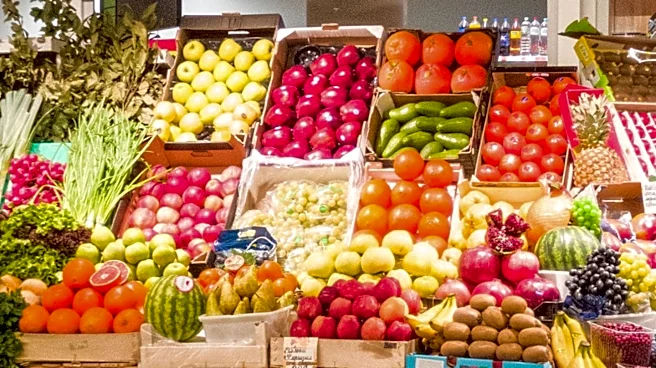
Grocery stores are increasingly becoming unexpected tourist attractions, with travelers incorporating supermarket visits into their itineraries alongside traditional sightseeing. This trend, dubbed 'grocery store tourism,' is driven by a desire to experience
local culture through food and unique retail environments. Examples include Erewhon in Los Angeles, known for its high-end wellness products and celebrity clientele, and Meadow Lane in New York City, which offers luxuriously packaged pantry staples. Travelers are finding that grocery stores provide a distinct insight into a destination's local flavors, culinary traditions, and everyday life, often revealing aspects not found in typical tourist spots. This shift transforms the utilitarian act of grocery shopping into an experiential activity, with some stores even offering workshops or becoming destinations for specific, sought-after products like artisanal cheeses or unique snacks.
Why It's Important?
This trend signifies a broader shift in how travelers engage with destinations, moving beyond conventional landmarks to seek more authentic and immersive cultural experiences. For the retail and tourism industries, it presents new opportunities for growth and differentiation. Grocery stores that embrace this trend can attract a new segment of visitors, potentially boosting sales and enhancing their brand image. It also highlights the growing consumer interest in local and artisanal products, as travelers seek out unique food items as souvenirs or culinary discoveries. This phenomenon could encourage grocery retailers to invest more in store aesthetics, product curation, and unique offerings to cater to this emerging market, thereby influencing retail design and marketing strategies within the food sector.
What's Next?
As grocery store tourism gains traction, more retailers may begin to design their stores with an eye toward creating a unique visitor experience, potentially incorporating elements like tasting stations, local product showcases, and aesthetically pleasing displays. Travel guides and influencers might increasingly feature notable grocery stores as must-visit spots, further solidifying their role as tourist destinations. This could lead to increased competition among grocery chains to offer distinctive cultural or luxury shopping experiences. Additionally, local tourism boards might start to promote specific grocery stores or food markets as part of their cultural offerings, integrating them into broader tourism campaigns to attract visitors seeking authentic local interactions.
Beyond the Headlines
The rise of grocery store tourism reflects a deeper cultural shift towards valuing everyday experiences and local authenticity over purely monumental attractions. It underscores a desire among travelers to connect with the mundane aspects of a place, finding beauty and insight in the ordinary. This trend also blurs the lines between retail and entertainment, transforming shopping into a form of leisure and cultural exploration. Ethically, it raises questions about the commodification of local life and whether these 'tourist' grocery stores genuinely represent the everyday experience of residents or cater to an idealized, curated version. Culturally, it highlights the universal language of food as a powerful medium for understanding different societies and their values, making the humble grocery store a surprising, yet potent, cultural ambassador.