





What's Happening?
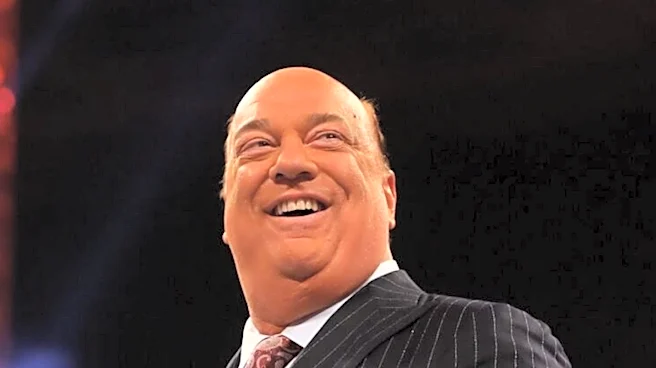
Paul Heyman, a prominent figure in professional wrestling, recently recounted his departure from WCW and subsequent move to Eastern Championship Wrestling (ECW) in September 1993. His transition was sparked by a disagreement with then-WCW executive Bill
Watts, who sought to implement pay cuts for talent. Heyman, unwilling to accept a reduced contract, rebelled against the proposed changes, leading to his firing. Initially, Heyman believed his wrestling career was over and considered a radio hosting position in New York. However, an offer from Jim Crockett Jr. to book for Eastern Championship Wrestling, coupled with a mentor's personal struggles, ultimately led him to take control of ECW's creative direction. This move marked the beginning of ECW's rise as a beloved and controversial wrestling promotion, where Heyman aimed to target the 18-34 male demographic and make wrestling culturally relevant.
Why It's Important?
Heyman's decision to leave WCW and take the reins at ECW had a profound impact on the landscape of professional wrestling in the United States. His vision for ECW, focusing on a more edgy and adult-oriented product, directly challenged the established norms of larger promotions like WCW and WWE. This shift in creative direction not only cultivated a loyal fanbase but also influenced the style and storytelling of mainstream wrestling for years to come. ECW's innovative approach to character development, match presentation, and audience engagement forced other promotions to adapt, ultimately contributing to the 'Attitude Era' in WWE. The story highlights the entrepreneurial spirit within the entertainment industry, where individuals are willing to take risks and challenge established giants to create new and impactful content. Heyman's experience also underscores the financial pressures and contractual disputes that can shape careers and alter the trajectory of entire organizations.
What's Next?
While the events described are historical, Heyman's influence continues to be felt in contemporary professional wrestling. His strategic mind and ability to connect with audiences remain highly valued within the industry. The legacy of ECW, born from Heyman's creative control, serves as a blueprint for independent promotions and a source of inspiration for wrestling creatives. The narrative of a talent leaving a major promotion due to creative or financial disagreements and finding success elsewhere is a recurring theme in wrestling, suggesting that similar scenarios could unfold in the future. The emphasis on targeting specific demographics and maintaining cultural relevance, pioneered by Heyman, remains a key strategy for wrestling promotions seeking to expand their audience and maintain their appeal in a competitive entertainment market.
Beyond the Headlines
Heyman's journey from WCW to ECW offers a compelling case study in disruption and innovation within the entertainment sector. His willingness to challenge the status quo and build a promotion from the ground up, even facing personal bankruptcy, speaks to a deep passion for the art form. The story also touches upon the often-overlooked personal struggles of individuals in high-pressure industries, as seen with Eddie Gilbert's challenges. Furthermore, Heyman's ability to identify and cater to an underserved demographic demonstrates a keen understanding of market dynamics and consumer behavior. The cultural impact of ECW, which pushed boundaries and fostered a unique fan experience, illustrates how niche markets can evolve into significant cultural phenomena, influencing broader trends in entertainment and media. This narrative underscores the importance of creative freedom and the potential for individuals to reshape an industry through sheer will and innovative vision.