




What's Happening?
Micron CEO Sanjay Mehrotra has informed investors that the demand for the company's memory products is expected to outstrip available supply for at least the next several years, extending through 2028. This shortage is primarily driven by the increasing
allocation of manufacturing capacity towards high-bandwidth memory (HBM) for artificial intelligence (AI) systems and DRAM for servers. Consequently, the production of memory for consumer devices is being limited. According to Ars Technica, 75% of Micron's memory production for 2027 has already been contracted, with negotiations for 2028 supply currently underway. A significant portion of HBM volumes for 2027 has also been sold at considerably higher prices than in 2026. Micron plans to open new cleanrooms for memory production in 2028, but Mehrotra anticipates continued supply constraints due to the gradual ramp-up of production and lower growth in manufacturing productivity during future technology transitions.
Why It's Important?
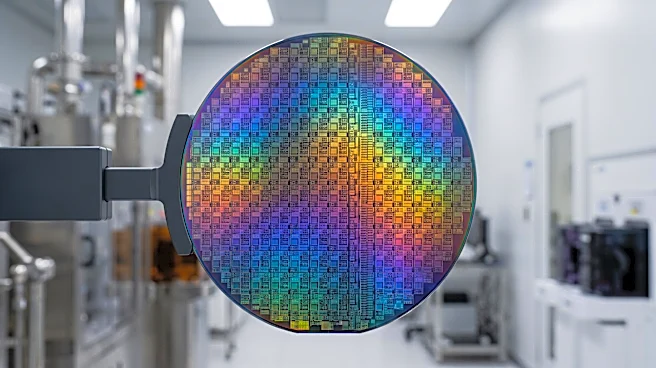
This projected memory shortage has significant implications for the technology industry and consumers in the U.S. The prioritization of HBM for AI and server applications means that consumer electronics, such as PCs, smartphones, streaming boxes, and gaming consoles, will likely face reduced memory availability and increased costs. Ars Technica reports that this shortage has already led to higher prices for finished PCs and prompted manufacturers to offer models with smaller RAM capacities at elevated prices. Samsung Executive Vice President Kim Tae-woo's statement that HBM will account for nearly 30% of DRAM manufacturers' wafer production capacity by 2027, up from 20% this year, further underscores the shift in manufacturing focus. This trend could slow down the adoption of new consumer devices or make them less accessible, impacting the broader U.S. consumer electronics market and potentially stifling innovation in non-AI sectors.
What's Next?
The memory market is expected to remain tight, with Micron's new cleanrooms for memory production opening in 2028, but with a gradual ramp-up that suggests continued supply constraints. Manufacturers will likely continue to prioritize high-margin HBM for AI and server markets, which could lead to sustained higher prices and limited availability for consumer-grade memory. Consumers can anticipate that the cost of devices relying heavily on DRAM will continue to rise, and they may see more products with lower memory specifications. The industry will be closely watching for any shifts in manufacturing capacity or technological advancements that could alleviate the shortage, but for the foreseeable future, the demand for AI-driven memory will dictate market dynamics.
Beyond the Headlines
The ongoing memory shortage highlights a deeper trend in the technology sector: the profound impact of artificial intelligence on global supply chains and manufacturing priorities. The shift in focus from consumer electronics to specialized AI hardware signifies a reorientation of the semiconductor industry. This could lead to a widening gap in technological advancement between AI-centric applications and general consumer devices. Furthermore, the increased cost and reduced availability of memory for consumer products could exacerbate digital divides, making advanced technology less accessible to certain segments of the population. The ethical implications of prioritizing AI development over broader consumer access to affordable technology may also become a more prominent discussion point.