






What's Happening?
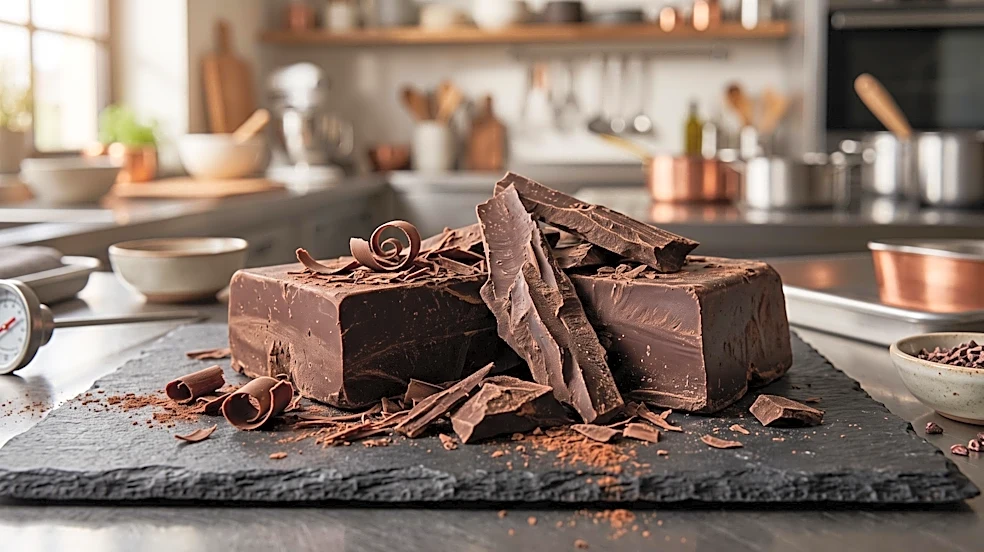
US biotech startup Galy has launched WunderHaus, a cell-cultured chocolate brand, in the United States, initially targeting professional kitchens. Galy, known for its lab-grown cotton, utilizes plant cell culture technology to grow cocoa cells in bioreactors,
independent of climate, geography, farmland, and field-harvest cycles. The company has self-affirmed its cocoa powder as Generally Recognized as Safe (GRAS) in the US and has notified the Food and Drug Administration (FDA) of its assessment. WunderHaus chocolate will debut in a hybrid format at Boston eatery Troquet on South, with additional restaurants and hotels testing the product for their winter menus. Galy's immediate commercial focus is on providing couverture and baking chocolate to chefs, bakers, pastry chefs, and chocolatiers, combining its cell-cultured cocoa with conventionally sourced cocoa ingredients to build a scalable and resilient supply chain.
Why It's Important?
The launch of WunderHaus addresses significant challenges facing the traditional cocoa industry, including climate change impacts, deforestation, and price volatility. Global cocoa stocks have fallen to a decade low, and prices have reached all-time highs due to extreme weather events and environmental degradation in key producer regions. By offering a cell-cultured alternative, Galy aims to provide a more stable and sustainable supply of cocoa, reducing the industry's reliance on conventional farming practices that contribute to high carbon emissions and deforestation. This innovation could help chocolate manufacturers mitigate price hikes and supply chain disruptions, offering a resilient solution in a market increasingly affected by environmental factors. The initial focus on professional kitchens allows for controlled market entry and feedback from culinary experts, potentially paving the way for broader adoption.
What's Next?
Galy's immediate next step is to expand its presence in the US foodservice sector, with chefs and restaurants testing and incorporating WunderHaus chocolate into their menus. The company is also pursuing international expansion, having submitted an application to the Abu Dhabi Agriculture and Food Safety Authority (ADAFSA) for a 2027 launch in the UAE, and considering EU novel food authorization for 2027-28. Galy plans to explore partnerships with cocoa farmers in Africa and Latin America, aiming to complement traditional cocoa farming and support a wider range of cocoa varieties. While there are no immediate retail plans for WunderHaus, the company's strategy is to build customer relationships and expand supply through its foodservice focus. Galy will also continue its work on lab-grown cotton, with commercial agreements in progress.
Beyond the Headlines
Galy's entry into the cell-cultured cocoa market signifies a growing trend towards cellular agriculture as a solution for climate-stressed agricultural commodities. This technology offers a path to decouple food production from environmental constraints, potentially leading to more ethical and sustainable supply chains. The hybrid model, combining cell-cultured ingredients with conventional ones, suggests a pragmatic approach to market integration, aiming to collaborate with existing industries rather than entirely replace them. This could foster a more resilient global food system by diversifying production methods and reducing the environmental footprint of high-demand products. The development also raises questions about consumer acceptance of lab-grown ingredients and the long-term impact on traditional farming communities, highlighting the complex interplay between technological innovation, economic sustainability, and social equity in the food sector.